


Iron is the fourth most common element in the Earth's crust (after oxygen, silicon, and aluminum) and the second most common metal (after aluminum), but because it reacts easily with oxygen, it is never extracted in its pure form. (although they are meteorites). it is sometimes discovered to contain samples of pure iron). Like aluminum, most stagnant iron in the Earth's interior is in the form of oxides (compounds of iron and oxygen). Iron oxides are found in seven main minerals (crude and stony minerals extracted from the earth):
- Hematite (the most abundant)
- Limonite (also an ore also called brown or swamp iron)
– goethite
– magnetite (black rock; magnetic type of iron oxide also called lodestone)
– pyrite< br>
- siderite
- taconite (combination of hematite and magnetite).
Different ores contain different amounts of iron. Hematite and magnetite contain about 70% iron, limonite about 60%, pyrite and siderite 50%, and taconite only 30%. Using a combination of deep (underground) and open-pit (surface) mining, the world produces approximately 1,000 million tons of iron ore per year, of which China is responsible for just over half.
Iron types
Pure iron is too soft and reactive to have any real use, so most of the iron we tend to use for everyday purposes is actually in the form of iron alloys: iron mixed with other elements (especially carbon). to become stronger. More flexible forms of metal including steel. In general, steel is an alloy of iron that contains about 2 percent carbon, while other forms of iron contain about 2 to 4 percent carbon. In fact, there are thousands of different types of iron and steel, all containing slightly different amounts of other alloying elements. They are called iron ingots because they are produced in the form of large molded blocks called ingots. Pig iron is made by heating iron ore (rich in iron oxide) in a blast furnace: a huge industrial furnace, in the shape of a cylinder, into which huge streams of hot air are introduced in regular "blasts".
Cast Iron
One of the world's most famous iron buildings, the Capitol in Washington, DC, has a dome made from 4,041,146 kilograms (8,909,200 pounds) of cast iron. is Cast iron is simply liquid iron that has been cast: poured into a mold and allowed to cool and harden to form a finished structural shape such as a pipe, a gear, or a large girder for an iron bridge.
Wrought or Wrought Iron
Cast iron takes its final shape the moment the liquid iron alloy cools in the mold. Wrought iron is a very different material made by mixing liquid iron with some slag (residual waste). The result is an iron alloy with a much lower carbon content.
Wrought iron is softer than cast iron and much less hard, so you can heat it to shape relatively easily, and it's also much less prone to rust. . However, relatively little wrought iron is now produced commercially, as most objects made from it are now made from steel, which is both cheaper and generally of more consistent quality. Wrought iron is what people used before they became skilled at producing steel in large quantities in the mid-19th century.
Types of iron
Industrial irons:
- Steel sections
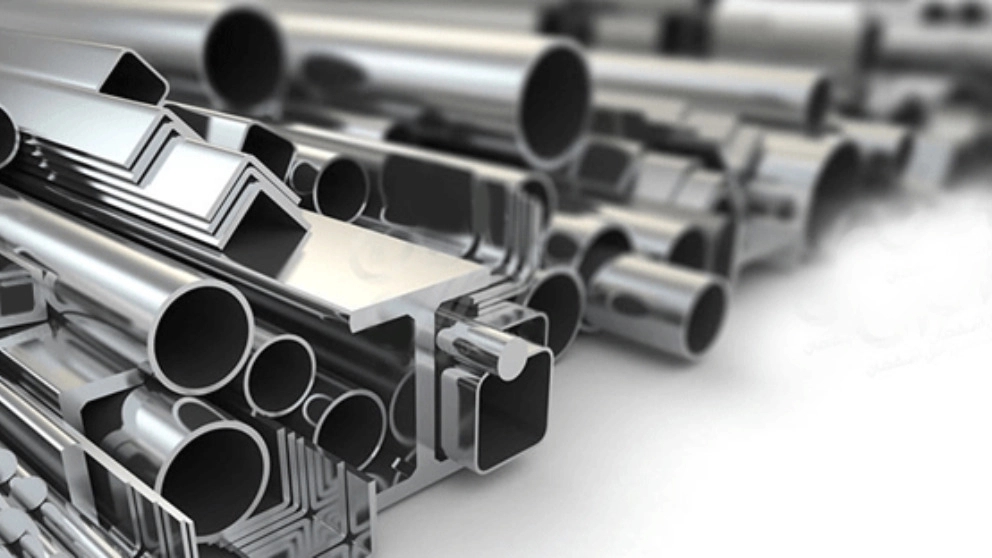
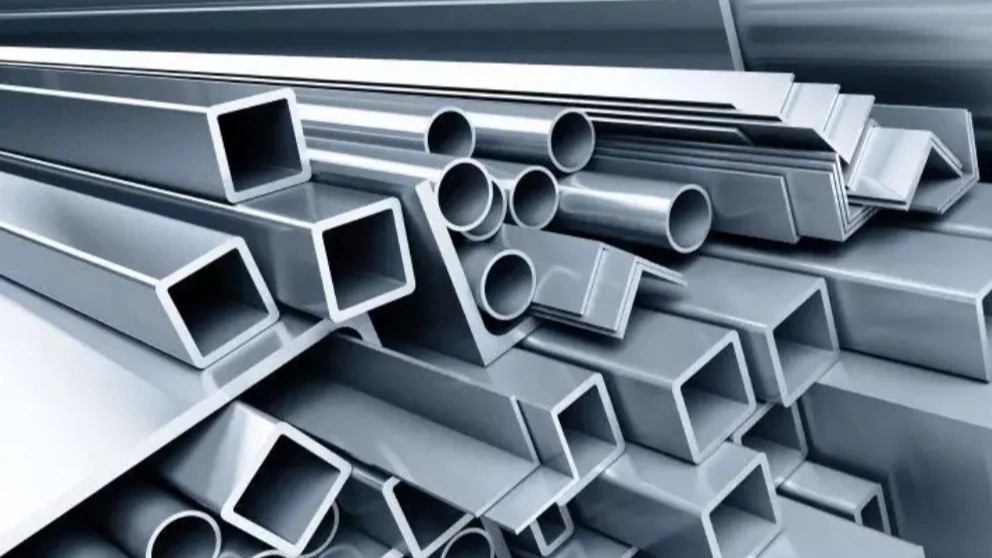
These types of industrial irons are the most widely used forms of iron and steel alloys that have many applications in iron market and especially in the field of industrial iron.
- Steel sheets
Steel sheets are iron alloys that are made in different sizes and thicknesses and are used They are used in industries such as the production of oil and gas pipes and many other industries.
Steel sheet is widely used in construction and various industries. The reason is the excellent mechanical and physical characteristics of these products. Steel sheet is also called sheet or steel plate. Many large and small industries such as automobile industry, household appliances, rail construction, computer and electronic devices, building construction, road construction and many other large and small industries are customers of steel sheets.
- Transmission rebar
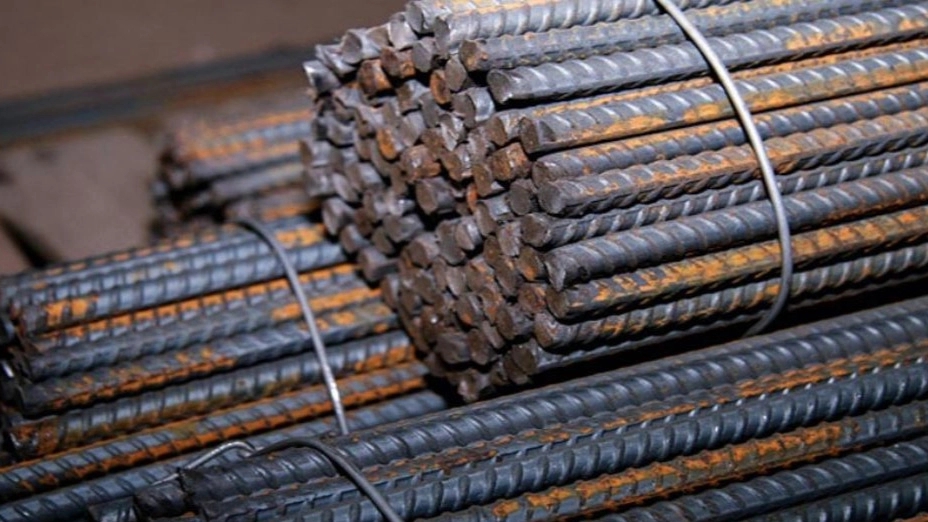
Transmission rebar is one of the most widely used types of industrial round bars and steel sections in the industry.
Different types of transmission (trans) and automatic steels from Turkey, Taiwan, Italy and other countries of the world are imported. They include:
1. Round shaft
2. Belt
3. Hexagon
4. Square
- rails, beams, studs and hashes
The use of steel rails is mainly for mounting wagons and locomotives on them.
beams and Industrial studs and studs are also produced in different types with special industrial standards, in different dimensions and numbers, which are widely used in the industry.
- Industrial pipes
Industrial and mansiman pipes are a series of pipes that are produced in large thicknesses and large diameters. They are used in the transportation of oil and gas materials, etc. in different distances and difficult conditions and in different industries.