



You might ask what exactly is slugging? This recently popular skin care trend has been around for thousands of years in different parts of the world. Simply put, this is the act of using something called a "protector"; A product that acts as a physical seal or barrier, just like Vaseline. Dermatologists believe this will trap moisture and plump the skin. In this article, we introduce this trend, what it is and why it is, and how to use it.
Where did Slaging come from?

Slagging ahead of new skin care products is nothing new for African-American women who have used Vaseline to "grease" their skin for generations. The use of oil as a salve dates back to the ancient Egyptians who, according to the Ebers Papyrus of 1550 BC, were fond of it to reduce wrinkles. In 15th-century North America, the Seneca tribe used oil seeped from the ground in northwestern Pennsylvania to soften the hides of animals as well as their own skins.
Why slugging? Although people with dry skin, especially those with eczema, may benefit more from slagging, the extra moisture from slagging can benefit anyone. Sulfated or harsh cleansers can dry out your skin overnight, especially if you don't use a moisturizer. Seasonal changes can also dry the skin. Vaseline is a popular choice for slagging these days, as it's easy to slather on your face before bed to keep your skin moisturized and healthy.
How to Slaging?
Start with your own personal skin care program that will vary depending on your skin type and needs. But a skin care routine usually includes removing makeup, cleansing the skin, applying a toner, and finally moisturizing as the last step before slagging. There are no hard and fast rules for what moisturizer to use underneath the protective layer. But many people find moisturizers containing ceramide, hyaluronic acid, or vitamin C serum helpful for slagging. Of course, remember that it is better to stay away from substances such as retinoids, becochiol, alpha and beta hydroxy acids such as glycolic acid and salicylic acid, which have more potential for irritation.
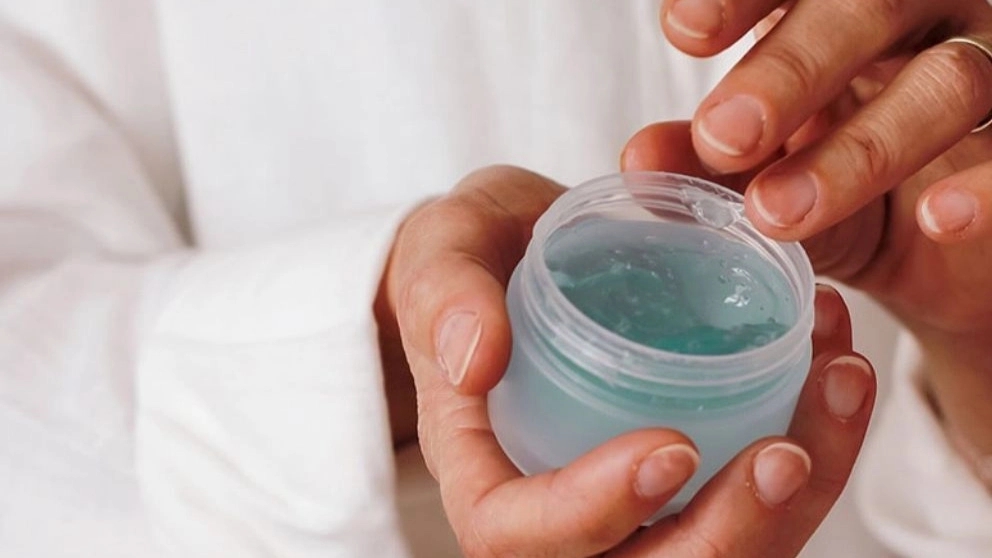
Now the interesting and last part of the story is the use of protector. You can do this immediately after moisturizing or wait 10-15 minutes for your skin to absorb the moisturizer. What kind of sunscreen you use depends on personal preference and the sensitivity of your skin.
Vaseline based preservatives are usually well tolerated and inexpensive. Other options are products like Aquaphor that use a lanolin derivative or even vegetable oil. Of course, be aware that people with allergies and sensitive skin should check the ingredients before using any product.
Usually, the protector stays on the skin overnight and if you want to remove it, you have to wait at least 30-60 minutes to prevent your pillows from getting greasy. Finally, when you're done, wiping may not be necessary, but if your face is still sticky in the morning, wash it off with a mild cleanser and lukewarm water. You should not be too sensitive to clean your face and destroy all the good things you did on your skin.
Caution

🔶 If your skin is irritated, especially if your routine contains retinoid, tretinoin, vitamin C, skip your usual routine. You should still wash your face with a gentle, moisturizing cleanser, but that's enough. You can't expect more when your skin is irritated.
Reading labels and paying attention to the contents of cosmetics can prevent many problems. Some sunscreens contain ingredients such as lanolin, which is fine for healthy skin, but is more likely to cause an allergic reaction on inflamed and damaged skin.
🔶 A small test will determine if the protector irritates your skin or not. Just apply a small amount to a small spot on your hand or face and see if your skin is red and irritated the next day.
Also remember that slagging is for Not all are suitable. People who are prone to acne may get involved in comedonal or obstructive acne using the slugging method, because this procedure blocks hair follicles and skin pores in susceptible people and causes pimples. On the other hand, some dermatologists do not recommend slagging for their patients unless they have very dry or cracked skin. These experts believe that regular moisturizers are enough for the skin and slagging is excessive