
Applications of ceiling crane
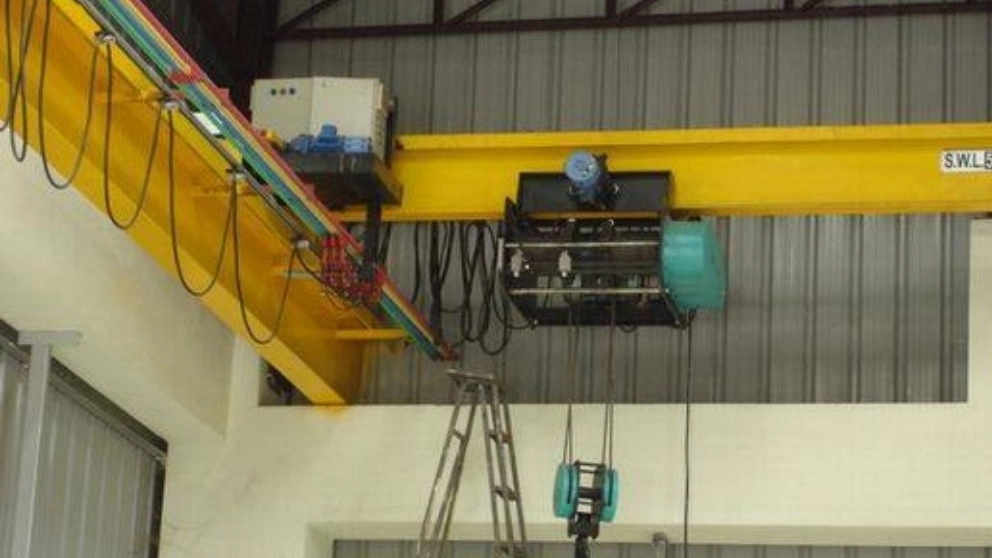
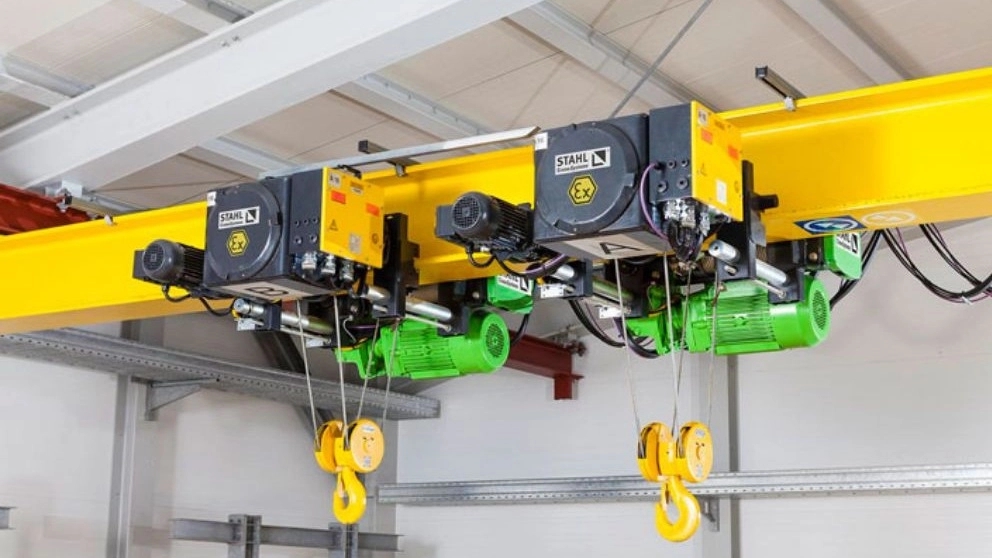
Overhead cranes are designed and manufactured in different types. Various parts can be designed and installed on it to improve its efficiency. Some of the uses of this device are: Loading and unloading of heavy goods from trucks and cargo transport vehicles Moving materials around a point and shed with much greater efficiency than tools such as tugs or manpower Extracting nuts and nails from press machines used in the factory. Feeding devices with raw materials in production centers and sheds Correct and controlled movement of parts in assembly lines Moving containers around ships and shipping centers Transferring heavy equipment in the storage shed
What are the benefits of using a crane?
In addition to simplifying the things that were mentioned in the applications of the overhead crane to make the work easier, the things that were mentioned, this machine has two big advantages for large collections that lead them to use this device.
Increased productivity: The efficiency of overhead cranes is several times faster than using a group of workers or a tow engine to lift and move equipment. Imagine that a warehouse, mill, factory and shed can make its work process simpler and faster with the help of this device to automate the lifting of objects and its transfer and unloading.
Safety: Another benefit of installing an overhead crane in a manufacturing plant, assembly line or warehouse is increased security. Cranes can be used to lift and move materials in polluted and harsh environments. They are also used to lift corrosive and dangerous materials such as hot metals and heavy chemicals. In a work station, workers can move heavy objects in a controlled manner without injuring themselves or the equipment being transported.
Other benefits of using a ceiling crane system include:
Reducing unexpected incidents in the workplace and shed
Reducing the damage to the product and moving materials and devices
Improving the workflow system
Less cost
Reducing the environmental risks caused by improper handling.
Crane crane components
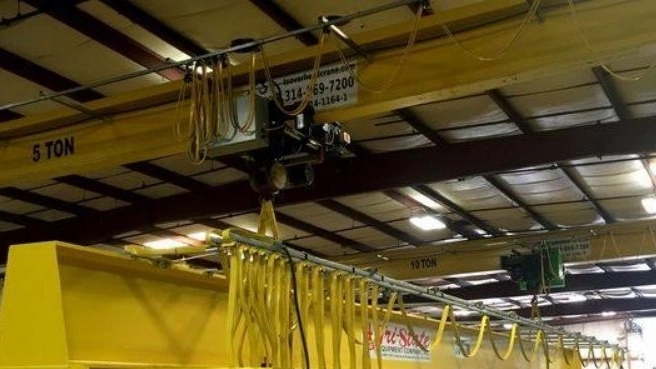
The overhead crane is made up of many parts so that it can move the items optimally for us. In the following, we will explain these parts along with the picture and their effect on the performance of the overhead crane.
Hook Hook: The lifted load is connected to the lift using a hook and is lifted.
Hoist: It is something that lifts and holds, raises and lowers with the help of wires, chains and ropes. The lifter can be powered manually (by hand), by electricity or compressed air (pneumatic).
Trolley: The trolley is responsible for supporting the lift. This device moves horizontally along the crane bridge. Used to position the hook and hoist before lifting or lowering the load. This device can be set in two modes.
Under Running: The wagon wheels move on the bottom of the crane beam flange.
Top Running: The wheels of the wagon move on the rail fixed on the crane beam. This system is mostly seen in dual traffic.
Bridge: The load-bearing beam spans the length and width of the building. This piece is part of the primary structure of the overhead crane and connects the rails together. Performs forward and backward lifting using a carriage. A bridge can be made of one or two beams, known as single-span and double-span. The beams can be made of rolled steel or can be made by welding the beams to the steel box.
Runway: The track where the crane bridge is used to move up and down. This part is part of the building. There are two runways for each overhead crane.
RUNWAY RAIL OR TRACKS: The rail supported by the runway is where the crane moves. Heavy duty cranes usually move on ASCE rails. Ground-based cranes can use a rail on the ground and the crane moves on it.
End Trucks: These parts are located at the end of the bridges, they move the bridge up and down the thigh. These parts use several wheels to move on the track. Each loader can have 2, 4 or 8 wheels depending on the type of crane.
Bumpers: Bumpers are designed to absorb the energy of the crane and reduce the impact. The crane moves in a controlled manner, and the novel that reaches the end of the path minimizes its force. The bumper can be attached to a bridge, trolley or track stop.
Controls: Controls are installed as a panel on the crane or lift, and a remote or pendant remote control allows the operator to control the crane. The controls control the lifting motor and the movement of the crane. The controls are typically mounted on a panel on the crane or hoist, and a pendant or remote radio console allows the operator to operate the crane. Controls can use variable frequency VFD devices and accurately control speed and direction.
ELECTRIFICATION: Insulated conductor strips with festoon system (flat cables) transfer power from the building to the crane.

Mrs. Javadzadeh
Post Author
10091
common:article
SEO-oriented content production specialist with experience in digital marketing and search engine optimization. Focusing on keyword research and content strategy formulation, I produce user-oriented educational and analytical articles to be valuable to the audience and to help grow the site's position in search results.
Similar Posts
Contents of this post
Applications of ceiling crane
What are the benefits of using a crane?
Other benefits of using a ceiling crane system include:
Crane crane components