

The feature of food packaging
From the specifications of food packaging containers, it can be mentioned the shelf life of the product and whether the food contains potentially harmful substances or not. If any contaminant is present in the food and poses a risk to others, consumers can easily access the manufacturer's information directly on the package. All food products have a nutrition label that informs consumers about the contents of the food. The label is an important component of national food packaging standards because it provides an accurate summary of all the vitamins, minerals, fat and calories in a serving. Mandatory components of any food label include serving size, servings per package, and measurements (both by weight and percent daily value) of the following:
Calories, total fat, saturated fat and trans fat, cholesterol, sodium, total carbohydrates, dietary fiber, total sugars and added sugars, protein, vitamin D, calcium, iron, potassium
Labeling allergen
One of the characteristics of food packaging containers is the allergen label. Eating foods that you know you are allergic to can be extremely dangerous. It may cause you to go into anaphylactic shock and have trouble breathing. For optimal safety, allergen labeling is an essential part of all food packaging standards. The standards organization requires that food labels list allergenic ingredients or specify whether the food was produced in a facility that also processes those ingredients.
The most common food allergies that affect consumers are:
Peanuts, oysters, tree nuts, such as almonds, cashews and walnuts, wheat, soybeans, eggs, fish, milk Labeling these potentially harmful ingredients on any affected food product will keep allergic consumers safe and healthy.
Standard Organization Regulations for Food Packaging
The Food and Drug Standards Organization in Iran and the FDA organization in the United States are among the main government institutions that supervise the specifications of food packaging containers. All the regulations they put in place, including general requirements for each product package, are there because consumers need this information for their own health and safety. Failure to comply with these rules can mean legal problems for any food supplier and may jeopardize the trust and loyalty of their customers.
What are five different types of food packaging?
There are five types of food packaging that manufacturers can use to seal their products. These packaging materials differ based on the durability and freshness of the product, as well as their durability:
Cardboard food packaging is the leading material in the industry due to its strength and ease of storage. Cardboard packaging stays shelf-stable, and is an inexpensive, lightweight, and portable solution for packaging cereal, milk cartons, and juice boxes.
Another feature of food packaging containers is glass packaging. Glass packaging offers unmatched durability for display purposes. Glass packaging not only provides an excellent seal for food freshness, but also allows consumers to view the product. This option is also ideal for protecting food products from foreign contaminants.
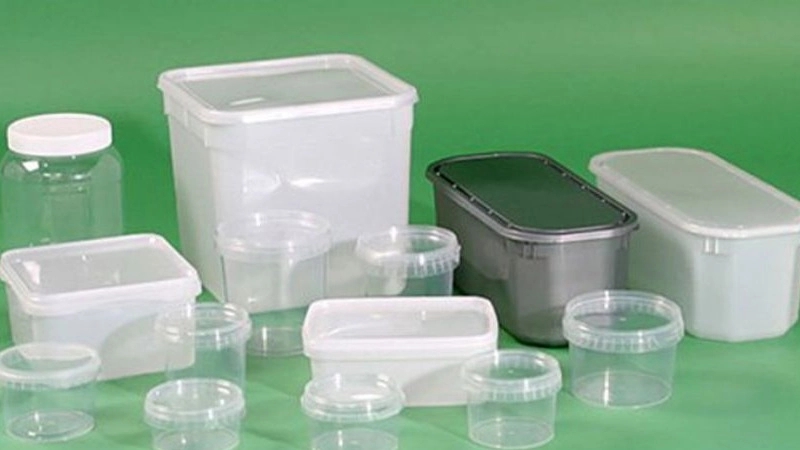
Plastic packaging is the most versatile because it can conform to any shape. Perishable and non-perishable food items stay fresh when suppliers use plastic packaging.
Metal packaging is growing in today's industry due to its remarkable strength and durability.
Materials used in food packaging
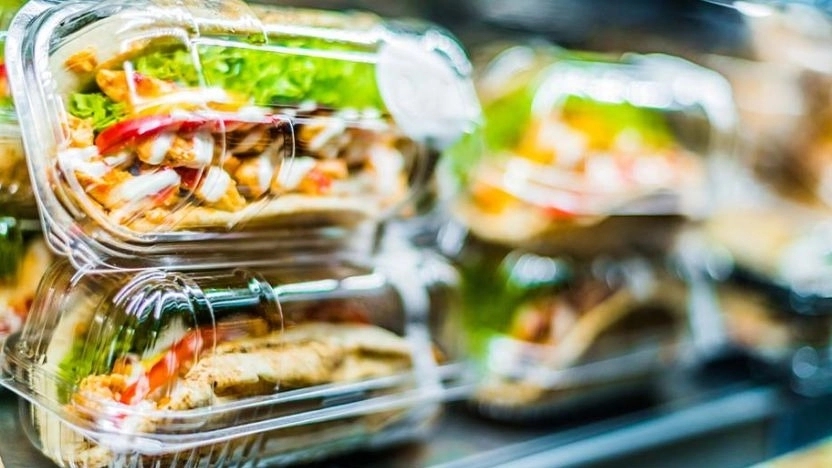
One of the characteristics of food packaging containers is their packaging material. You will find a similar set of ingredients in different types of food packaging. Glass packaging primarily uses jars or containers to store pantry items such as olives, pickles, and sauces. You will find metal packaging in the form of tin cans containing fish, chicken, beans or vegetables, as well as metal soda cans. Plastic and cardboard appear in more packaging materials due to their lightness. If you pick up a box of bottled water, frozen food, or a ready-to-eat sandwich, each of these items will likely be wrapped in plastic. Plastic bottles are one of the most popular materials