

Behzi

The use of kenaf in the interior of buildings

The use of kenaf in the interior of buildings

Sadra Kenaf

Reading Time 1 Minutes

With the progress of various sciences and technologies, many industries have undergone extensive changes, and the construction industry is one of the most obvious of them. Today, modern and advanced materials are used in this industry, which help to reduce the weight of the structure, increase the speed of construction, reduce costs, increase security, etc. Kenaf is one of the most common materials used in various parts of the building today and can have unique features and capabilities. In the following article, the applications of using kenaf in the interior of the building and its benefits will be discussed.

What is the hemp?

Knauf or Knauf (in English Knauf) is actually the name of a German company that was founded by the Knauf brothers in 1932 in the Schengen village of Luxembourg, adjacent to the German border, and finally moved to the city of Ipphofen. The field of activity of this company is the production of plaster coated plates (kenaf) in such a way that these plates have a central core made of plaster and a covering top made of paper or galvanized sheet. Kenaf is one of the building materials that can be used for roofs, walls and interior decoration. These materials have a high variety in terms of size, thickness, color, etc.

استفاده از کناف در نمای داخلی ساختمان‌ ها

Types of cannabis

Kanaf, like many other building materials, can be classified based on various factors and parameters. As mentioned, the cover of these panels can be made of paper or galvanized. Also, these panels can be produced in custom and standard dimensions. In terms of application, kenafs can include ceiling kenafs, wall kenafs and decorative kenafs. It can be said that the most important factor in the classification of kenafs is their thickness

  1. کناف با ضخامت ۶ میلی‌متری معمولا برای اجرا در طرح‌هایی که شامل منحنی‌های با قوس تند است، استفاده می‌شوند.
  2. کناف هایی با ضخامت ۹٫۵ میلی‌متری می‌توانند برای اجرای قوس‌ها کاربرد داشته و نباید از آن جهت اجرای دیوارها یا سقف‌های کاذب ساده استفاده کرد.
  3. کناف با ضخامت ۱۲٫۵ میلی‌متری برای دیوارهای جداکننده و پوششی، سقف‌های کاذب ساده و دکوراتیو به کار می‌رود.
  4. کناف با ضخامت ۱۵ میلی‌متری، ۱۸ میلی‌متری و بالاتر برای استفاده در فضاهای خاص که نیاز به استحکام بسیار بالا یا خطر برخورد شدید با دیوار وجود دارد به کار می‌رود.

The benefits of using cannabis in construction

  1. کناف از وزن کمی برخوردار است و می‌تواند نقش ویژه‌ای در کاهش وزن کلی ساختمان داشته باشد.
  2. کناف از جمله مصالحی است که به واسطه یکپارچگی بالای خود مقاومت مناسبی در برابر زلزله دارد و از ایمنی بالایی برخوردار است.
  3. سرعت اجرای کناف در سقف‌ها، دیوارها و تزئینات داخلی بالا است و نصب و اجرای آن نیازی به مهارت و تخصص ویژه ندارد.
  4. استفاده از این پنل ها به افزایش سطوح مفید زیربنا و فضای مفید داخلی ساختمان کمک ویژه‌ای می‌کند.
  5. از آنجایی که در کناف ها از لایه‌های روکش مختلف استفاده می‌شود می‌توانند یک عایق صوتی و حرارتی مناسب باشند.
  6. کناف دارای قابلیت رنگ‌پذیری بالایی است و به راحتی فرم می‌گیرد
  7. همانند تری دی پانل دارای قابلیت بازیافت است و بیش از ۷۵ درصد مصالح آن را می‌توان مجددا استفاده کرد.
  8. سازگاری بالایی با محیط زیست داشته و استفاده از آن بسیار مقرون‌به‌صرفه است.
  9. باعث کم شدن نیروی انسانی و همچنین اجرای راحت عبور تأسیسات از فضای بین دیوارها و دست یافتن آسان به تأسیسات ساختمان می‌شود.
استفاده از کناف در نمای داخلی ساختمان‌ ها

The most important uses of cannabis in the building

Today, the use of kenaf in the interior of the building has become very popular and, like the roofing monolith, it has replaced many traditional and old materials. Among the most important uses of kenaf in the construction industry, the following can be mentioned:

Use as separating walls

are a type of kenafs that are used to partition different parts of the building without bearing a certain load. These kenafs are composed of light steel frames in the form of U-shaped (Runner) and C-shaped (Stud) sections, and between these frames, gypsum-coated plates in different thicknesses are installed by means of special screws. These kenafs are easily sealed by tape and putty and have many uses.

Used as covering wall

< span style="font-weight: 400;">Kenaf covering walls are used for various purposes such as fast and efficient reconstruction of old masonry walls, covering of new masonry walls, thermal and acoustic improvement of buildings, etc. This type of Kenaf cover walls can include Kenaf cover wall without structure and with structure.

  • In the non-structural covering wall, a layer of gypsum coated board or composite board (gypsum boards covered with an insulating layer) by means of a special paste adhesive called Perlfixes are attached directly to the background wall.
  • In the Kenaf covering wall with the structure, gypsum-coated plates are screwed on a metal foundation (connected to the background wall or independent of it).

Use as a false ceiling

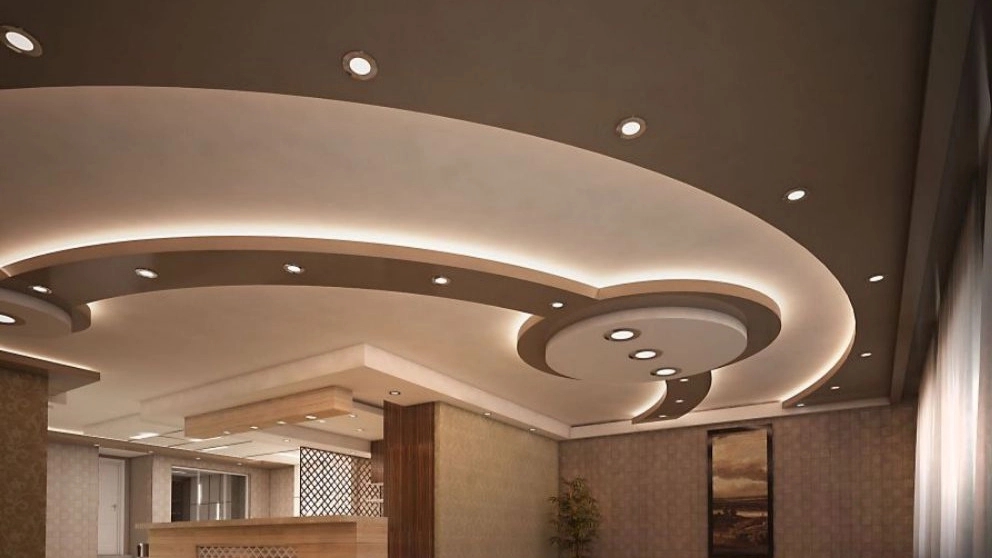
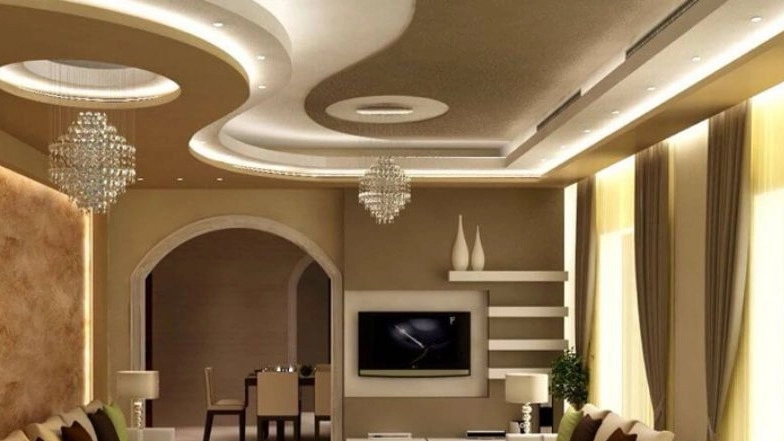
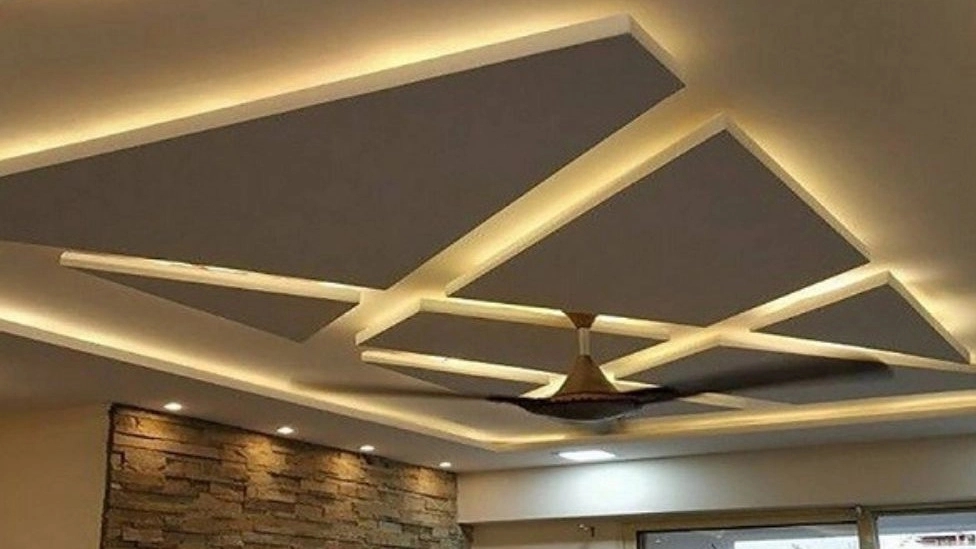
One of the most important uses of kenaf in the interior of the building and decoration is to use it as a false ceiling. In this case, Kenaf can be used in two different ways, which include integrated false ceiling and mesh false ceiling. Integrated false ceilings replace all types of non-standard false ceilings and have features such as high flexibility in construction and design, the possibility of making a decorative ceiling, no need to predict hangers, etc. Mesh false ceilings can also have advantages such as quick and easy installation and implementation, easy access to facilities behind the ceiling, easy maintenance and...

Marjan Momennejad

Marjan Momennejad

Post Author

9683

common:article

View Page

Active in the field of content production and writing articles for websites and advertising pages with a focus on SEO content, introducing businesses and publishing targeted articles, to better visibility of brands in the online space and attract more audience.

Similar Posts


  • What is the hemp?

  • Types of cannabis

  • The benefits of using cannabis in construction

  • The most important uses of cannabis in the building

  • Use as separating walls

  • Used as covering wall

  • Use as a false ceiling