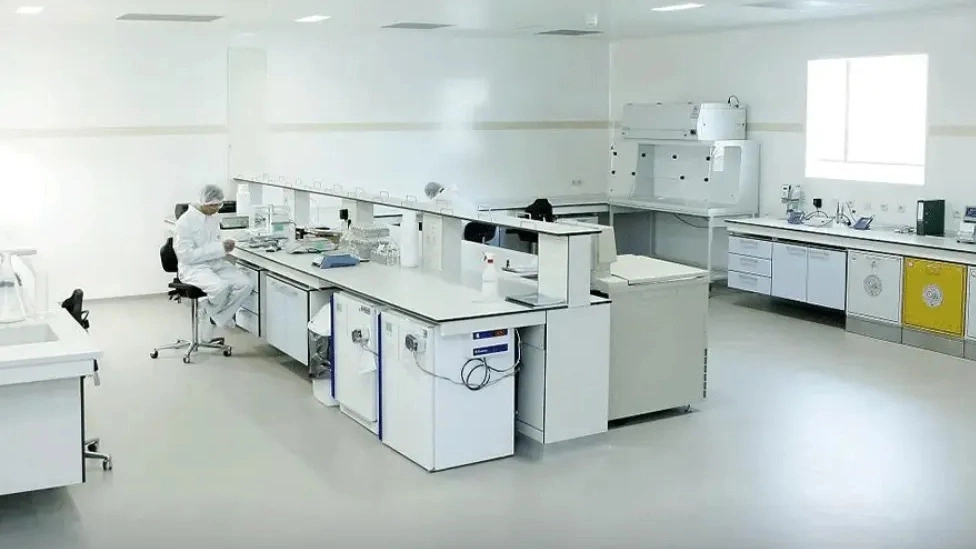
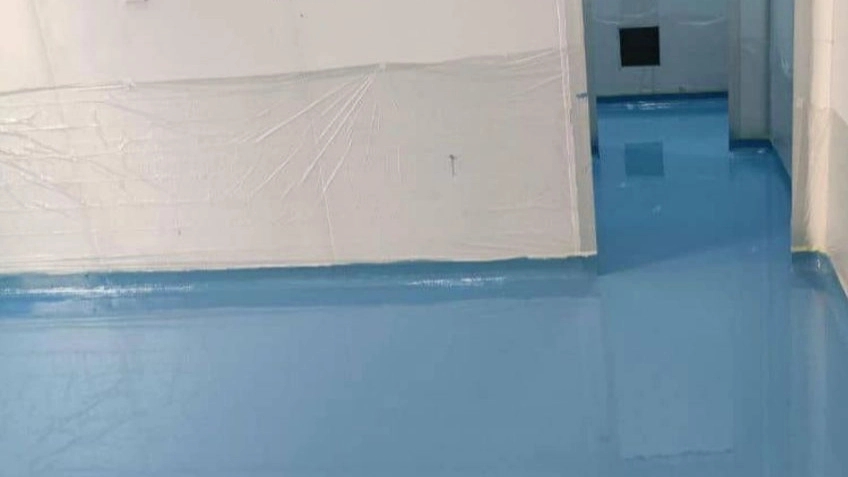
Laboratory epoxy flooring is one of the new flooring available in the market, which is highly popular due to its antibacterial properties and high resistance to mechanical and electrical pressure. This type of flooring is made of materials such as epoxy resin and polyamine hardener. In the past, most designers used ceramic and stone flooring for the laboratory environment, but the cleaning and hygiene of these types of flooring is so difficult and It was difficult that as a result of some tests, there would be a disturbance, that's why epoxy flooring is used today.
Importance of Laboratory Epoxy Flooring
Laboratory is one of the environments where the type of flooring is of significant importance. Daily, due to conducting numerous experiments in the laboratory, chemicals may be accidentally spilled on the laboratory floor. The materials used in the laboratory may react chemically upon contact with the floor and cause danger. Therefore, the flooring of the laboratory environment should be used that has high resistance against many chemicals. Vinyl, tile, ceramic, plastic, resin and epoxy are some examples of flooring that are used in the laboratory, but the epoxy flooring of the laboratory is suitable for this environment due to its high resistance to chemicals and easy cleaning.
In addition In the laboratory, they use very thin and sensitive dishes for testing, which may break quickly due to contact with the floor. Due to its anti-slip and anti-static properties, this type of flooring prevents laboratory workers from slipping and creates more security in this space.
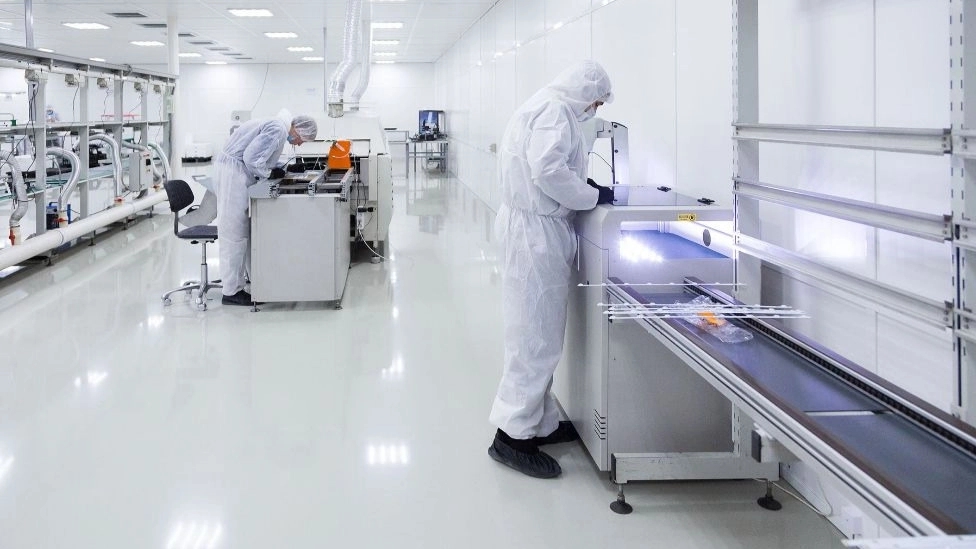
Epoxy flooring features for laboratory
This type of epoxy flooring has a unique variety of colors and interior designers can choose a beautiful epoxy flooring according to the same material according to the other material they have used in the laboratory. But these floorings, in addition to the high variety, have features, some of which are as follows:
Epoxy flooring for the laboratory has a relatively hard surface, and this feature strengthens the anti-slip and anti-wear properties in This is the flooring.
These types of flooring are often multi-layered and therefore have high resistance against heavy loads.
Laboratory epoxy flooring has high resistance against all kinds of chemicals, biocides, oil, fat and even betadine.
This epoxy flooring does not emit any odor after drying and because of Anti-bacterial and anti-microbial property, it is easy to clean.
The difference between the laboratory epoxy flooring and other flooring
Laboratory epoxy flooring is different from other flooring due to its use in environments with special characteristics. The main structure of epoxy floors is made up of epoxy resin, epoxy hardener, fillers, colors and some organic and inorganic additives. But by changing the chemical structure of the flooring and adding other materials, the properties and characteristics of the flooring change. In this way, the new product produced is different from other examples both in terms of structure and in terms of features. For example, the use of antacids makes pharmaceutical flooring resistant to acid. According to this issue, the use of suitable materials for laboratory environments has led to the creation of flooring called laboratory epoxy flooring.