
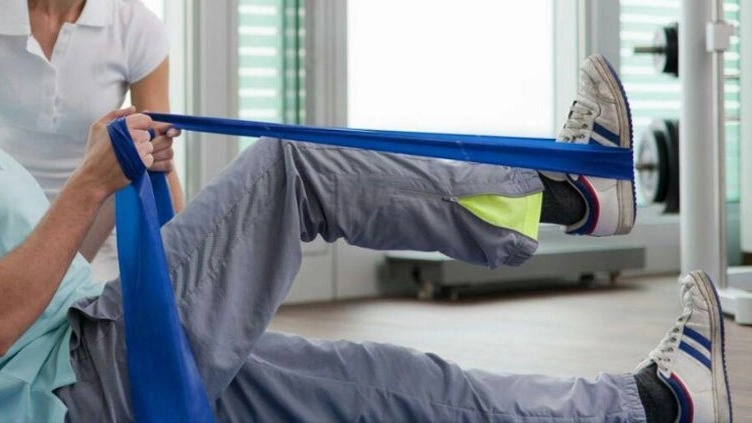



Occupational therapy (OT) is a branch of therapy that helps people of all ages with physical, sensory, or cognitive problems. Occupational therapy can help these people gain independence in all areas of life.
Occupational therapy helps to resolve problems that affect a person's emotional, social, and physical needs. The work of therapists uses daily activities, exercises and other treatment methods to achieve the desired result.
Who may need occupational therapy?
Occupational therapy can help children and adolescents with the following problems:
Birth injuries or birth defects Sensory processing disorders Traumatic brain or spinal cord injuries Learning disabilities Autism Juvenile rheumatoid arthritis Mental health or behavioral problems Fractures Bone or other orthopedic injuries
🔸Growth delays
🔸Recovery after surgery
🔸Burns
🔸Spina bifida
🔸Traumatic amputation
🔸Severe hand injuries
🔸Multiple Sclerosis or MS, cerebral palsy and other chronic diseases

What is the difference between physiotherapy and occupational therapy?
Physiotherapy and occupational therapy both help to improve the quality of life of children, but there are also differences. Physiotherapy helps in the following cases:
🔸Pain
🔸Strength and strength
🔸Joint range of motion
🔸Endurance
🔸 Gross motor skills (large muscle movements made with arms, legs, hands, or the whole body)
Occupational therapy helps with:
🔸Fine motor skills (small muscle movements made with hands, fingers and toes, such as grasping)
🔸Visual-perceptual skills
🔸Cognitive skills (thinking).
🔸Problems Sensory processing