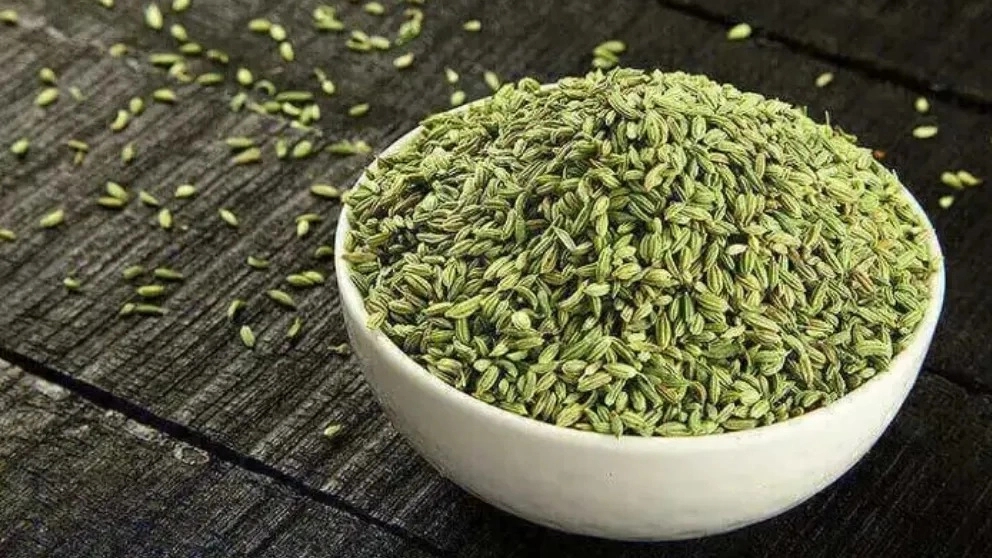


What is a cumin plant?
Cumin is a biennial herb that belongs to the Liliaceae family and is distributed in many parts of the world including Europe, Asia and North Africa. It is used as a popular spice for baking all kinds of bread and making drinks. The flowers and medicinal plants of Tabriz city are known for their unique properties. This plant has anti-inflammatory, anti-inflammatory and anti-inflammatory properties; Therefore, it is used to treat digestive problems such as indigestion, flatulence and colitis. Dry seeds, extract or cumin seeds and oil are common edible forms of this plant, which are used in cosmetics, perfumery and pharmaceutical industries in addition to food.
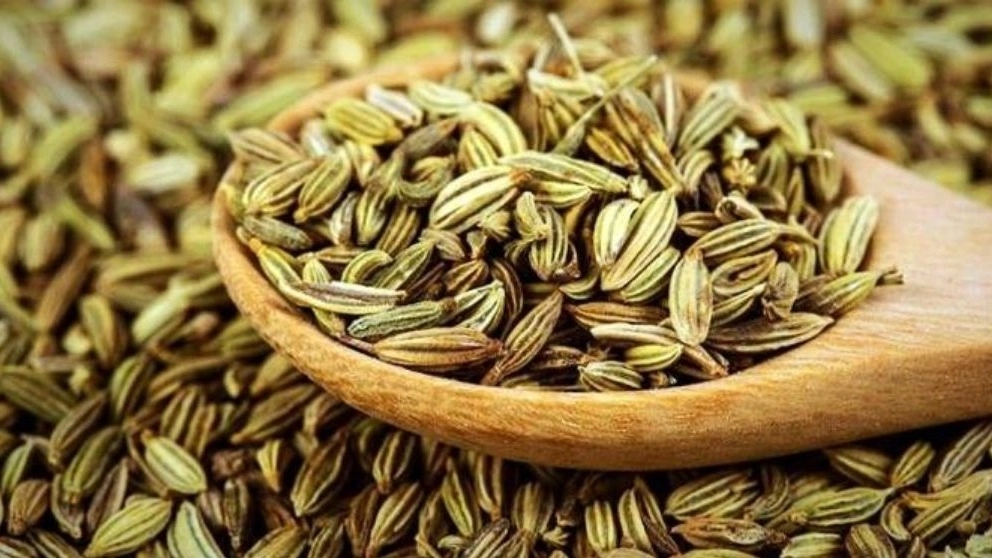
Herbal characteristics
Cumin plants have compound umbrellas, each compound umbrella has 3 to 6 umbrellas and each umbrella has 3 to 4 flowers. Under the compound umbels, long and linear bracts are condensed in the form of rings, which are called collars.
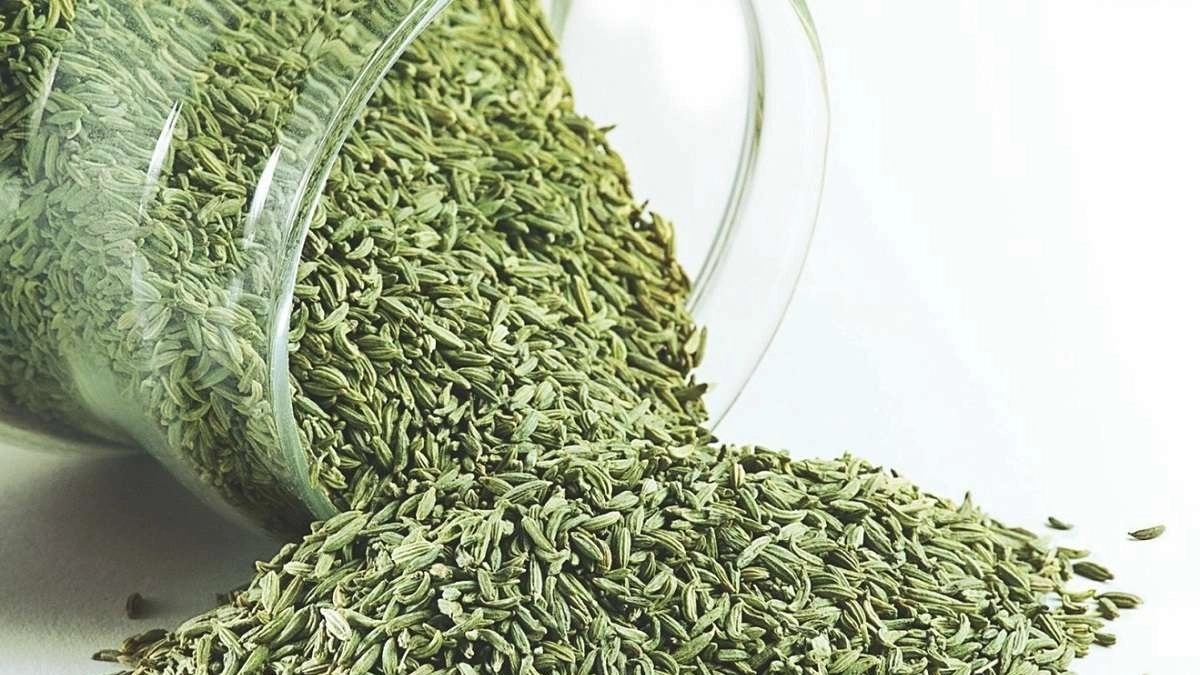
The properties of the cumin
• It is a rich source of iron: cumin seeds are very rich in iron. One teaspoon of cumin powder contains 1.4 milligrams of iron, which is 17.5 percent of the RDI for adults.
Contains beneficial plant compounds: Cumin contains many plant compounds associated with potential health benefits, including terpenes, phenols, flavonoids, and alkaloids, some of which act as antioxidants, substances that protect the body against free radicals. The free ones protect.
How to use cumin?
Cumin leaves can be crushed as a spice and added to fresh or dried foods. Cumin is used in salads, fish and chicken dishes because of its spicy and aromatic taste. This herb can be taken as a decoction with other drinks or water and used as a tea or decoction for digestive problems.
To prepare cumin tea, put cumin leaves or powder in boiling water and let it brew for 15 minutes. Then strain the tea and drink it with a spoonful of honey if necessary.