



Forage
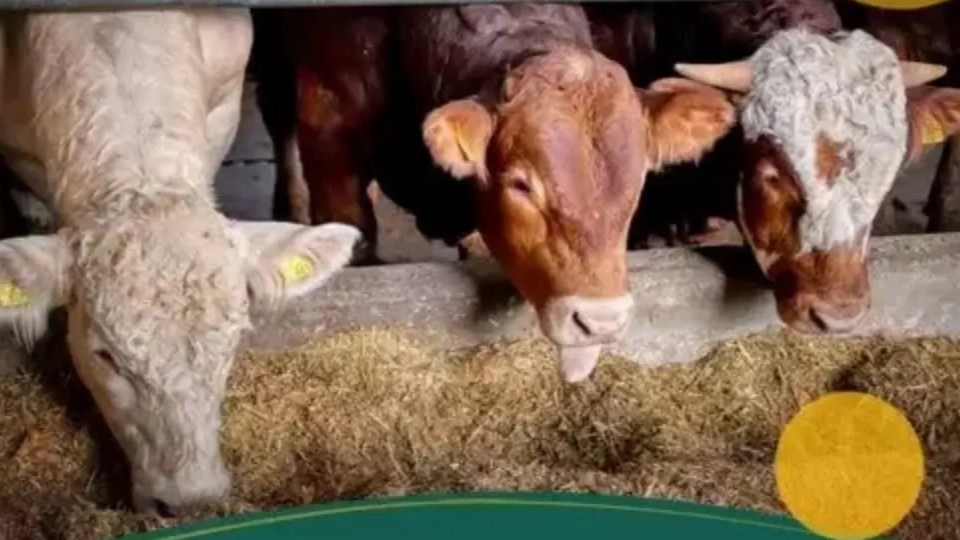
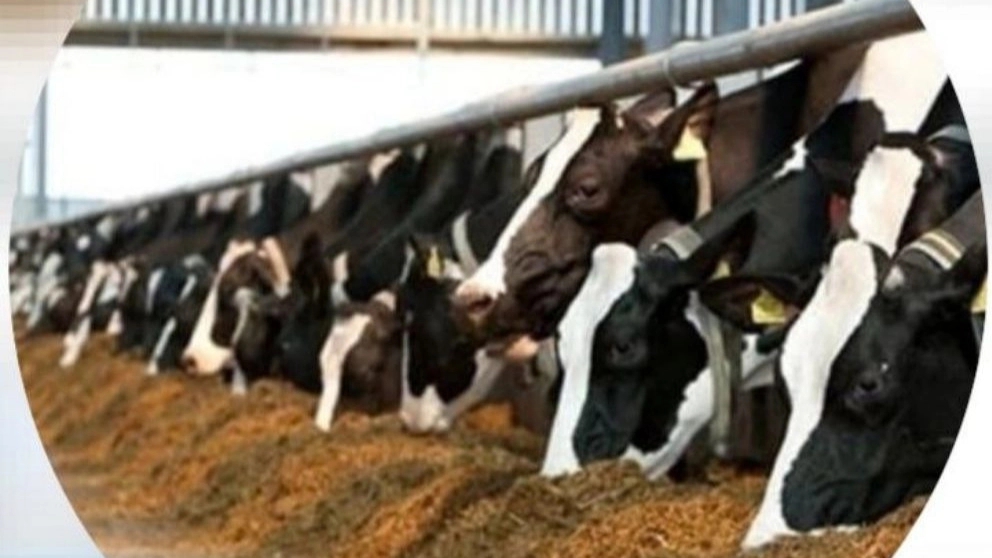
Livestock fodder includes alfalfa, garden grass and straw, silage, etc. It keeps feed costs to a minimum. Also, the main importance of fodder is due to sufficient rumination process and regulation of rumen conditions. In the preparation of fodder, to prevent the activity of plant and microbial enzymes, the percentage of moisture is reduced; The moisture level of the plant depends on factors such as the plant species, growing climate, harvesting time and storage conditions.
Alfalfa
Alfalfa can be introduced as the best and most nutritious fodder due to its palatability and high percentage of protein, calcium, phosphorus and vitamins A and D. The flowering time determines the type of alfalfa variety and the best time to harvest it (early flowering) is when 1.3 plants have reached flowering, the best time to harvest with digestibility is acceptable. It can be consumed fresh, dried and silage.
The factors affecting the nutritional value of alfalfa can depend on the type of plant, the degree of maturity, the ratio of stem to leaf, the type of cultivated soil, the climate and climate of cultivated alfalfa. and harvest time are different.
Garden forage
Garden fodder increases animal rumination due to the long fibers they have and prevents animal bloat and, in turn, is a better factor in increasing milk fat. But it is not recommended to use them in industrial animal husbandry due to unknown analysis.
Straw
Stems and leaves form parts of the straw that remain after separating the grain in the threshing process. Due to the lack of nutrients and minerals and its high fiber content, straw is classified as one of the least valuable edible materials. Among the types of straw produced, barley straw is of high quality, compared to rice straw and then wheat straw.
Usually, to increase the digestion of straw, it is enriched with urea. Usually, additional nutrients are sprayed on the straw as a solution.
Silage
Silage of fodder improves the digestion of animal food, increases milk production and prevents the loss of quality of the material; Silages are the result of fermentation of stalks and leaves of corn and barley or alfalfa fodder. According to the moisture spectrum of the product, silage products are divided into two categories: high moisture silage (dry-direct) and low moisture silage (less than 60%). Sometimes, to improve the nutritional value of fodder, additives including grains (50 kg/ton), dry whey (10 kg/ton) and molasses (10 kg/ton) are used, which are sources of fermentable carbohydrates.
Alfalfa silage
Alfalfa silage improves the quality of alfalfa and increases the animal's appetite - the best type of alfalfa for silage is fresh alfalfa (China first) in terms of high humidity, alfalfa has more risks of blood magnesium depletion and the occurrence of grass tetani, as well as rapid changes in Rumen microbial flora, especially in high-producing cows, will cause problems of metabolic complications.
Concentrate
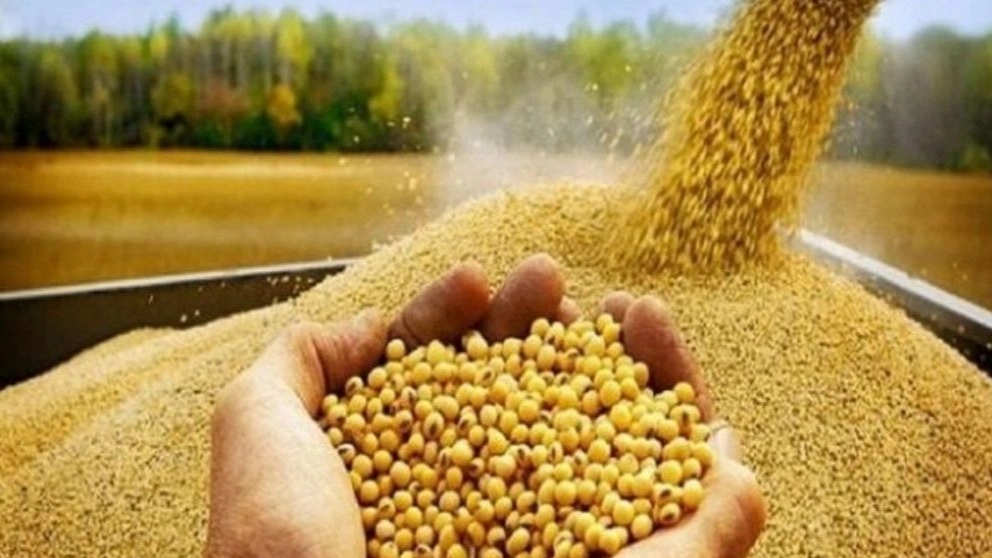
High-yielding cows cannot meet all their needs by consuming fodder alone. Mixing concentrate with fodder can compensate for all the deficits of nutrients, protein, essential and deficient minerals, as well as vitamins needed by high-yielding cows. Concentrates are composed of all nutrients and are considered as important components of feed.
They bring better health, production and growth of livestock, however, with all the mentioned features, concentrate should not be consumed more than 60 It forms the percentage of the total dry month consumed because with the decrease in the amount of fiber in the diet, the percentage of milk fat decreases. A very important point that can be pointed out is that the factors affecting the amount of concentrate consumption are the quality and amount of fodder consumed by livestock. Total digestible nutrients (TDN) of concentrates are 65-90% higher than TDN of forages.