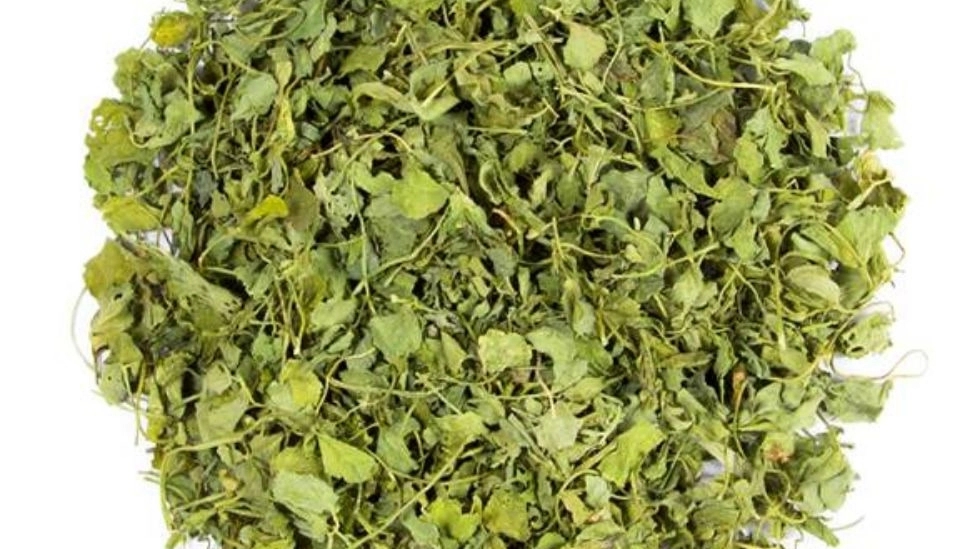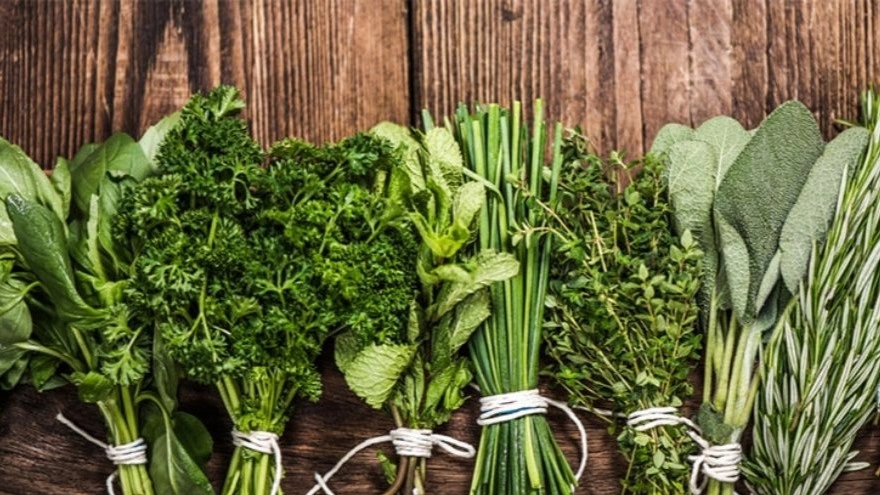

dry parsley
Dried parsley can be considered one of the most widely used types of dried vegetables, which is used in many Iranian and foreign dishes. Parsley is cultivated and produced in Iran, North Africa and Southern Europe. It is a herbaceous plant that grows to a height of 70 cm. Its leaves are dark in color and have rhombus cuts with a triangle shape. Parsley is one of the aromatic dry vegetables that consists of vitamin C and vitamin A, vitamin K and many minerals such as calcium and potassium. Due to its abundant vitamins and minerals, parsley is used for skin rejuvenation, heart health and antibacterial properties. In addition, this green plant has a slightly bitter taste; But it goes well with all kinds of food and improves their taste and aroma.
Dry Mint
Mint is one of the types of aromatic dry greens that have been used all over the world for many years. There are many types of mint, including mountain mint, peppermint, Indian, catmint, and spearmint. This plant has been used in cooking for a long time due to its strong aroma, spicy taste and pleasant smell. In addition, dry mint contains many potential medicinal compounds such as polyphenols and flavanols. Therefore, it has anti-fungal, anti-viral, anti-cancer and antioxidant properties. For this reason, this plant is used in the pharmaceutical industry and medicinal plants.
Dry
Dried dill is one of the medicinal and edible plants that was found in southwest and central Asia since ancient times. Over time, this plant has been transferred to Europe and America, and Iran has been considered one of the main centers of its cultivation since the past. Dill not only has a special aroma and can be used to flavor foods; But because of its many medicinal properties, it is also used for medicinal purposes. Its properties include the treatment of indigestion, flatulence in the stomach and intestines, and spasms.
Dry Thyme
Dry thyme is a type of mountain plant that has a spicy and earthy smell. Most people know thyme with its many properties, because this plant is usually used to treat colds and respiratory tract congestion. In addition, thyme has antioxidant properties and can help relieve bacterial and fungal infections. In addition to medicinal uses, dried thyme is used in many dishes due to its distinctive taste. The taste and aroma of thyme is so good that many people prefer thyme honey to other types of honey.
dry coriander
Dry Tarragon
Tarragon belongs to the family of vegetables native to the Asian continent and is considered one of the types of aromatic dry vegetables. This plant has a hot and dry nature and is very appetizing. Tarragon is used in many medicinal substances. Consuming dry tarragon is also very useful in maintaining cardiovascular health and reduces the possibility of heart attack, liver disease, stroke and kidney problems. In traditional medicine, it is suggested to grind dry tarragon and put it in food instead of salt. By doing this, you will feel the taste of salt and your blood pressure will be regulated. In addition to medicinal uses, dry tarragon also has many uses in cooking.
Dry Basil
Basil is an aromatic plant that belongs to the mint family. This plant is usually used fresh to eat vegetables or to decorate food and it is found in green basil and purple basil. Dried basil also retains the aroma of fresh basil and can be used in many dishes. On the other hand, basil is useful for reducing stress, improving cardiovascular health, treating diarrhea and headaches. According to traditional medicine, basil has a hot and dry nature and its use in cold dishes is recommended.
dry fenugreek
Fenugreek is a plant similar to peas and grows in the ground like peas. You can include this plant in your diet in different ways. Fenugreek usually tastes like celery and may not taste very pleasant. But after drying, it gives a wonderful aroma and its taste is very pleasant.
Dried fenugreek is usually used as a medicinal plant in foods and teas. Of course, fenugreek extract is also used in soaps and detergents, which shows the high importance of this medicinal plant. This plant has many therapeutic properties, the most important of which are reducing menstrual problems, increasing breast milk in lactating women, controlling diabetes and reducing digestive problems.