
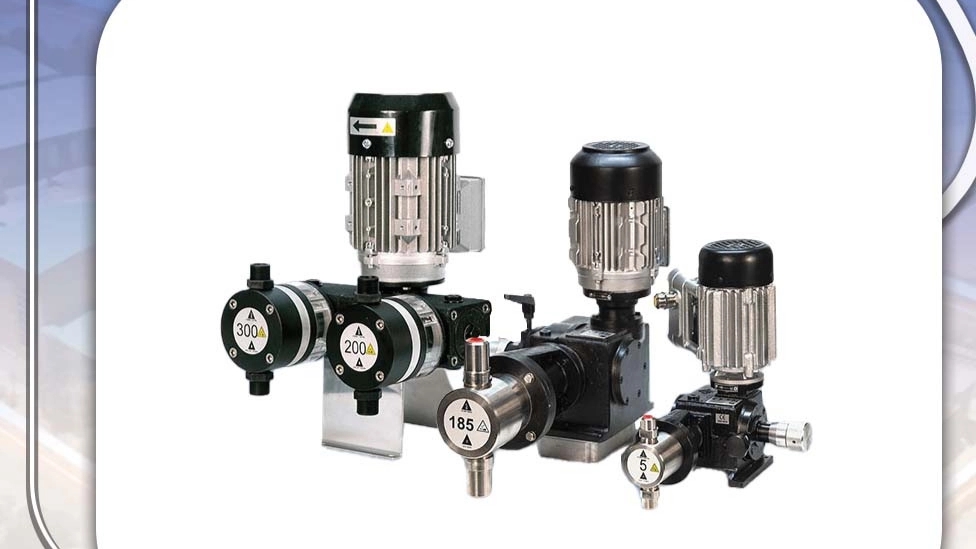
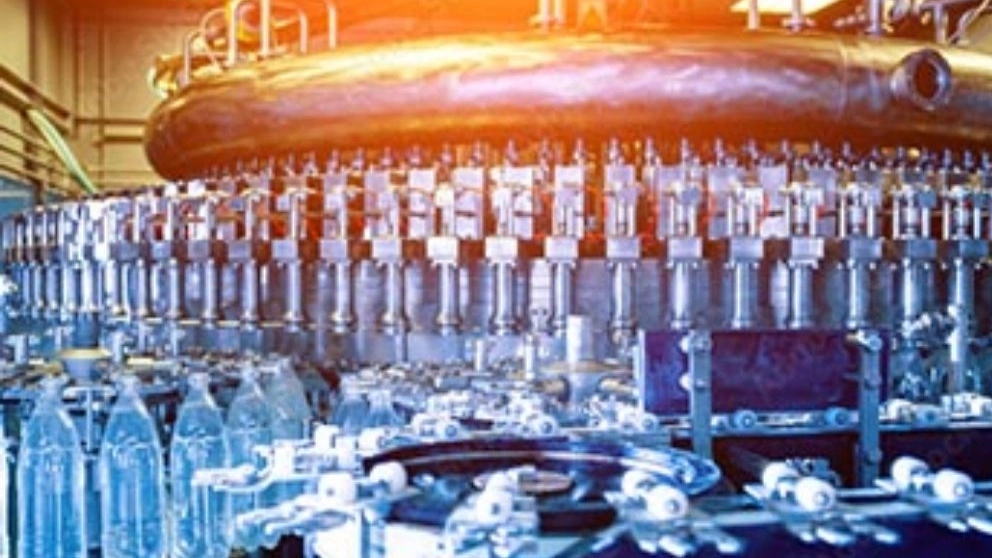
This device is available in different types in terms of how to inject the chemical into the system. In each of these pumps, a different technology is used, which is more suitable for a certain type of process. In the following, we see the most commonly used types of these pumps.
Piston pumps
The main tool for moving the liquid inside these pumps is a piston. A piston that compresses the liquid with its movement and causes it to be transferred. These pistons are very suitable for higher values of precision and pressure. They are also suitable for lower flows.
Diaphragm pumps
In this chemical injection pump, a diaphragm that moves alternately and withdraws and injects the liquid. This diaphragm should be made of corrosion-resistant material (such as rubber or plastic). This pump can be used specifically for corrosive and incompressible chemicals.
Electric diaphragm pumps; Of the most accurate pumps of chemical injection
This device is similar to normal diaphragm pumps. But it uses an electric motor to move the diaphragm. Therefore, high accuracy is implemented on flow rate and pressure. In addition, it has a little noise and vibration.
Rotary pumps
The design of this chemical injection pump is relatively simpler. A rotary mechanism in this pump moves and injects the chemical. This device also includes gear, rotary and square types that you can choose for high flow rates and low to medium pressures. The simple design of this device has made its maintenance easier and cheaper.
Pumps
Pump pumps
These pumps use flexible pipes to transfer materials, the pressure imposed on them is the main cause of this transfer. If you want to inject materials in very small amounts and with high precision, or if the materials you have are relatively more sensitive, this pump is the right choice.