
It should be noted that before any prospector or company can explore resources, they must obtain an approved exploration permit from Mining, Exploration and Geosciences. Exploration permit conditions can be different depending on the type of resource and include conditions to minimize the effects of exploration. Keep in mind that the methods of iron ore exploration can be studied in four categories: mapping and investigation, geochemical sampling, drilling and geophysical investigations, which are discussed in detail below:
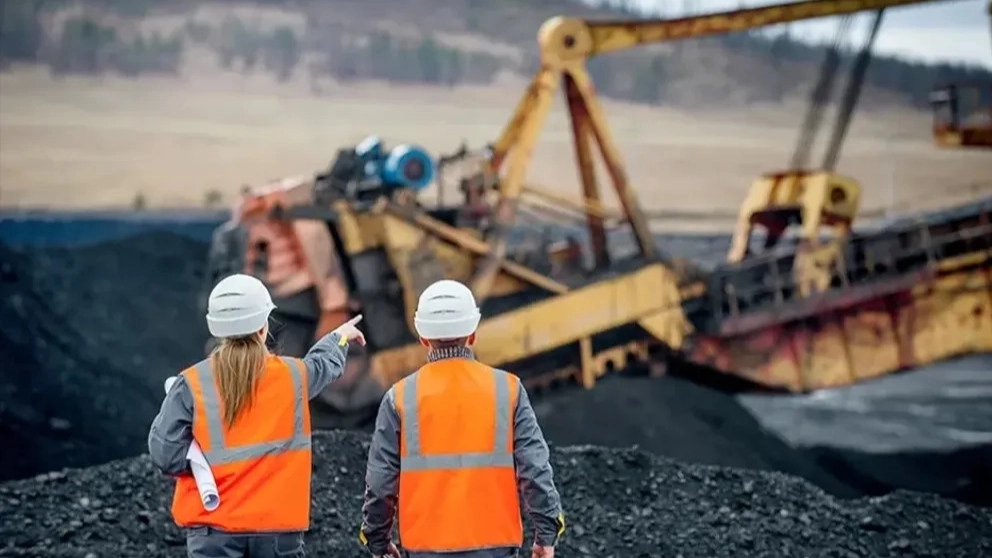
Geological mapping locates and identifies types of iron ore and geological structures in relation to the shape of the land and topography. It should be noted that this method is one of the first methods of iron ore exploration that is done on the ground and can be done on a precise local scale or regional scale. Geological mapping usually involves a visit to the target area by a geologist to examine rock outcrops and observe the location and characteristics of rocks or sediments visible on the surface. This method may involve light vehicle access to a property, recording measurements and collecting small samples of rock outcrops, soils or streams for chemical analysis. The information obtained from this method can be used to prepare a geological map of the exploratory area, recording the distribution of all types of rocks and structures.
2. Desk assessments
One of the other methods of iron ore exploration is desk assessments, which include research on existing geological information in the area of a region. These investigations may include research and analysis of the Company's previous exploration reports, exploration data and published geological information. This process allows an exploration company to make an informed decision before applying for a permit or starting any actual field work.
3. Geophysical surveys Geophysical surveys are also one of the best methods of iron ore exploration that can help identify resources without the need for sampling and are usually done with minimal surface disturbance. Geophysical surveys can be conducted from the air (airborne geophysical surveys) or on the ground (ground geophysical surveys).
- Airborne Geophysical Surveys
Airborne geophysical surveys may include magnetic surveys. , radiometric, gravitational or electromagnetic. These surveys are usually carried out by helicopters flying at low altitude or light aircraft flying in a grid pattern. It should be noted that in this type of survey, measuring instruments are either installed on the aircraft or towed under or behind it.
- Ground Surveys
Ground geophysical surveys may include Seismic, magnetic, radiometric, gravity or electromagnetic surveys. Depending on the type of survey being conducted, a survey may consist of a single geophysicist or a team of geophysicists and technicians on foot using four-wheel motors, light vehicles, or seismograph trucks.
- Radiometric geophysical surveys
Radiometric surveys measure gamma rays that are continuously emitted from the earth as a result of the decay of some common natural radioactive minerals. These surveys focused on recording the amounts of potassium, thorium and uranium isotopes! And it is mostly used in the exploration of metal and industrial minerals.
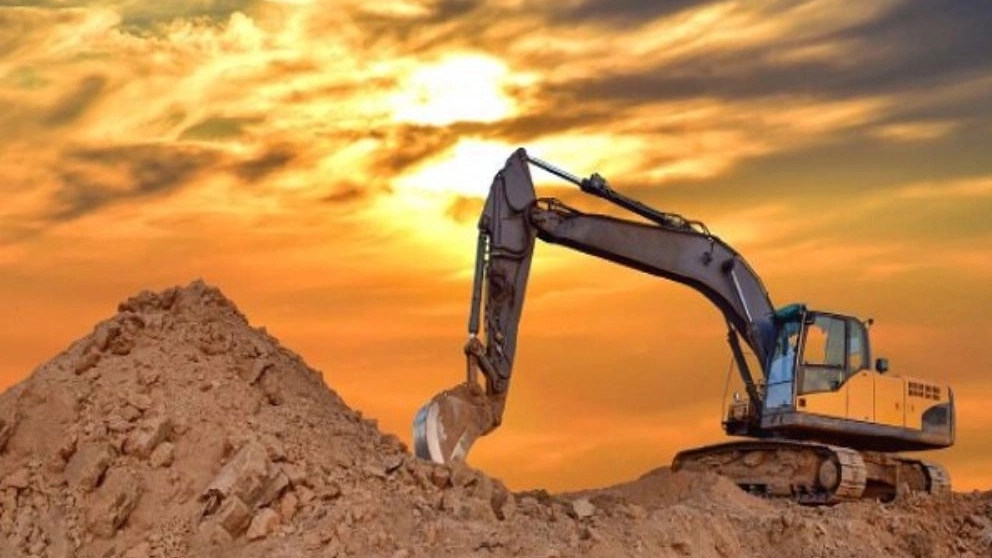
Hand tools such as shovels, pickaxes, and hand augers are used to collect soil and subsoil samples. It should be noted that these samples are usually collected based on a regular grid pattern. Electric, manual or vehicle-mounted augers may also be used in these inspections. Note that during geochemical surveys, holes drilled during the program are usually filled and replaced with vegetation immediately after sampling.
- Stream Sediment Sampling
In this type of investigation, samples of approximately two kilograms of sediments are collected inside the drainage lines. usually from the junction of two streams; Three samples are taken: one sample downstream of the junction of streams and two samples upstream of their junction (in each of the integrated drainage lines). It should be noted that these samples are usually taken using manual tools and may be sieved during collection.
- Rock chip sampling
In this type of sampling, up Several kilograms of rock material are collected from rock outcrops using hand tools. Rock chip samples are usually collected during geological mapping programs.
5. Drilling Methods Drilling is often done as part of an exploration program to obtain more detailed information about a variety of minerals, including iron ore (with the chemical formula Fe2O3) below the surface of the earth. The goal of most drilling methods is to recover a sample that can be chemically analyzed to identify a specific resource! and be used to identify the type of stone material that exists at a certain depth below the surface. It should be noted that the drilling method used depends on the type of information desired, the budget set by the exploration company and the type of rock involved. The most important drilling methods are as follows:
- Drill
In this drilling method, a manual auger or an auger installed on a light vehicle is usually used. This drilling method is generally used for shallow boreholes and requires little regional preparation.
- Air Drilling
Air drilling is also commonly known as open hole drilling. For this reason, this type of operation is called "air drilling," which uses compressed air to help bring rock fragments back to the surface. The three main types of air drilling are as follows:
Rotary drilling: This drilling uses a rotating drill bit to break rock material. In this drilling, compressed air is inserted into the hollow drill rods and helps to bring the side parts of the hole to the surface.
It should be noted that rotary drilling is one of the fastest and cheapest drilling methods used to create shallow holes in the early stages of exploration.
Air core drilling: This drilling of a A rotary drill uses compressed air to cut rock material and use compressed air to rotate the drill bits.
Percussion Drilling: Percussion drilling uses compressed air to drive a rotary impact drill and operates in a similar manner to a jack hammer. does.