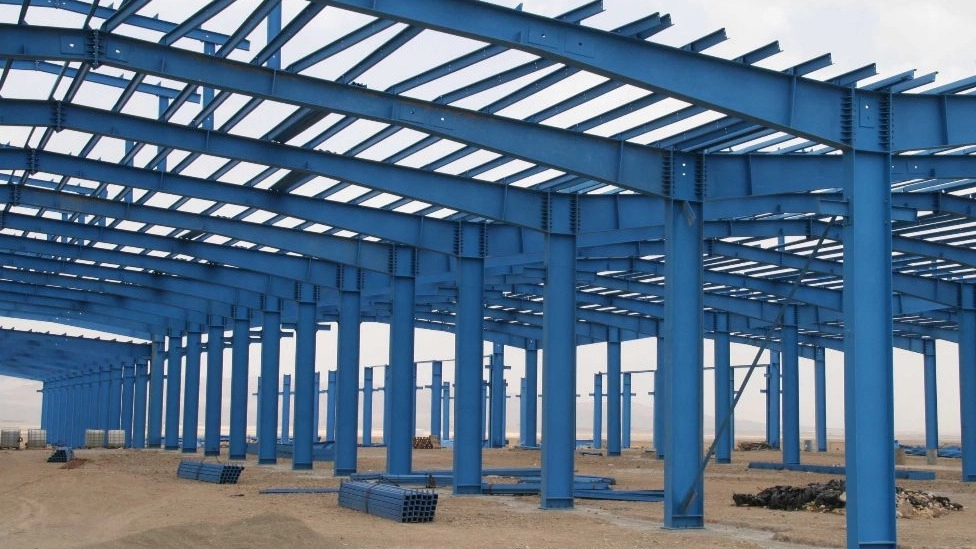
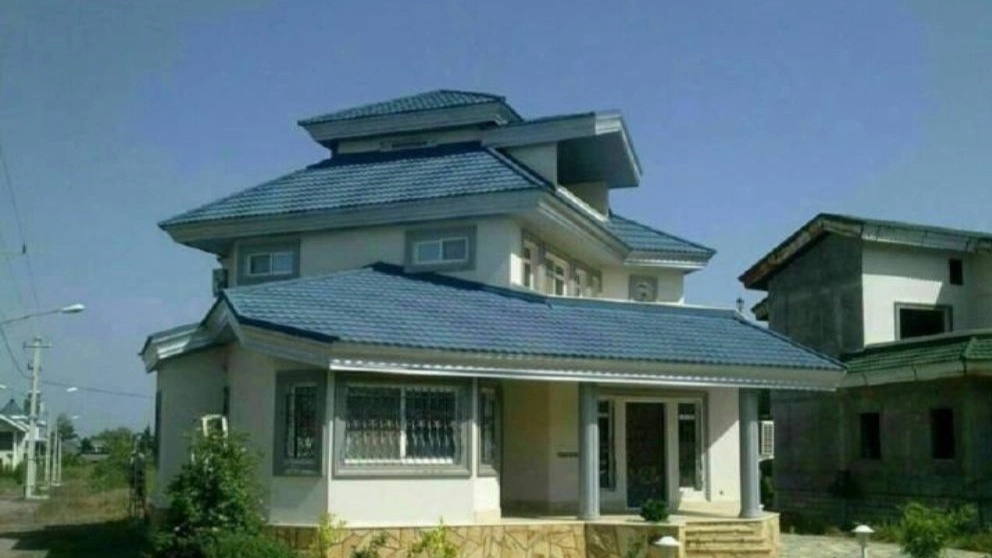
When the design of the structure is completed, the construction of the components begins, and after the construction of the sections, its installation begins.
The construction of light and heavy sheds includes the following steps: br> Shed design: including the dimensions and number of openings, type of soil, wall and ceiling covering, roof slope, height, calculation of forces and loads in compliance with the design principles of the shed
implementation of the foundation : This stage consists of a number of other stages that, regardless of its correct implementation, will lead to the possibility of causing irreparable damages. welding, cleaning and painting. Making any changes in any of these steps will affect its price.
Steps to install the nest
After the construction and implementation of the foundation of the shed, the installation phase begins, which includes steps that take several days depending on the size of the project:
Installing the columns: The first step of Installation is the correct placement of columns. The columns are placed in their place by a crane according to the plan. Then they are fixed in their position with the help of bolts and nuts or welding. Bracing is done after the columns are installed.
Rafters installation: When the shed columns are installed and the bracing is done, the rafters are installed. Rafters are attached by means of bolts and nuts.
Installation of purlin and purlin: For the installation of peak purlins and eaves struts, during the installation of rafters, they must be firmly held in place. With the correct placement of the purlins, two purlins or lape are placed between the rafters of the roof.
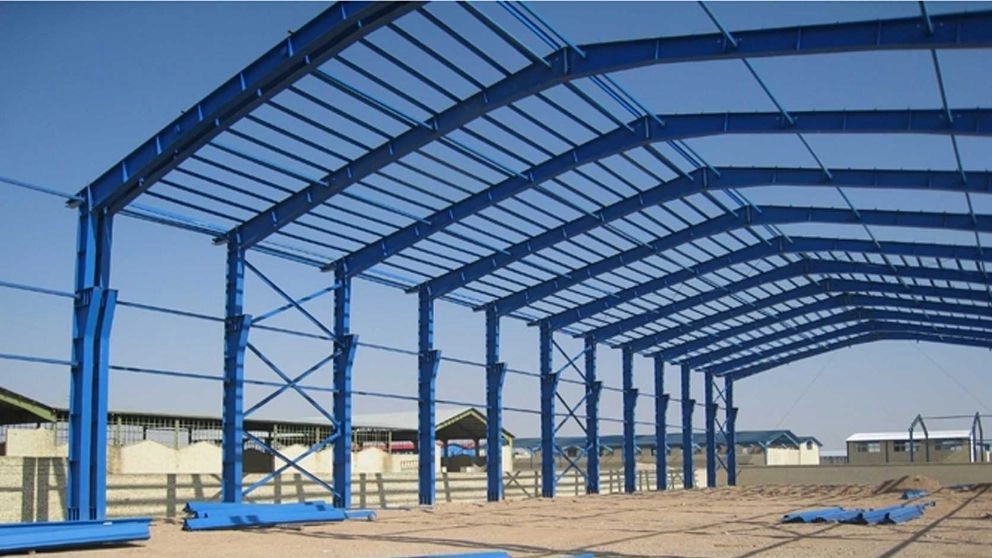
The components used in the skeleton of the metal nest
In general, the components used in building sheds can be divided into the following:
Columns: Columns are one of the most important components of sheds, which are often made of sheet beams. are made The task of the columns is to bear the load of the weight of the shed and to resist critical conditions such as earthquakes. The ends of the structure are installed and transmit and restrain the wind force.
Struts: Struts are responsible for connecting the frames of the sole to each other and resisting longitudinal pressure.
Canopy: This structure is a sloping roof.
Angle brace: These components transfer the forces and loads that enter the structure to the poles.
Wind brace: Two types There are windbreaks in the sheds. The body brace that transmits the wind force to the foundation and the roof brace that transmits the wind force through the frame. are installed and transfer the incoming forces to the middle of the sheds.
Rafter (frame): The rafters transfer the load to the sheds to the columns.
Bolts and nuts: The components of the sheds are connected to each other through bolts and nuts.