
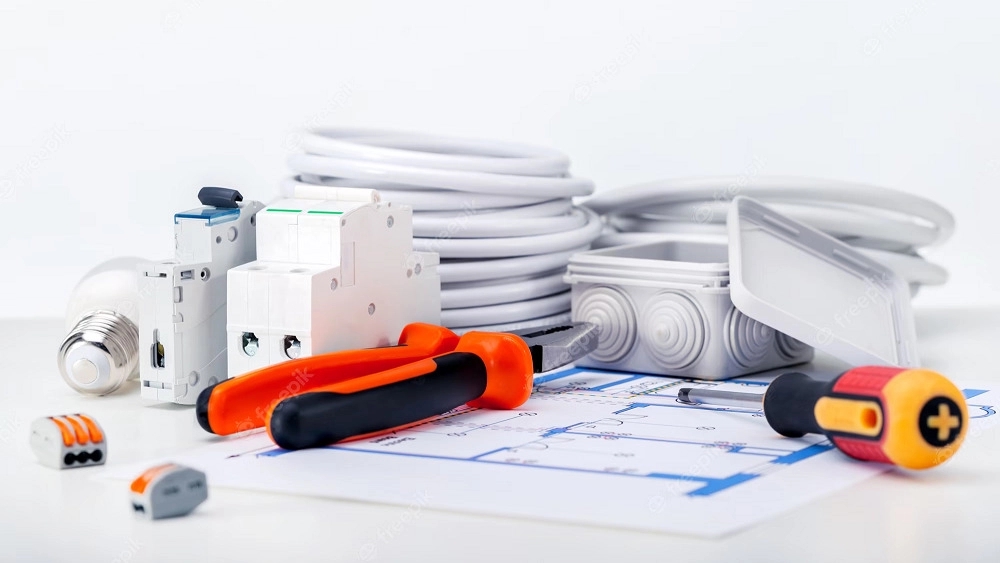
Electrical equipment refers to anything that is after the electricity meter in general (electrical equipment that is after the electricity meter). Electrical installations and any equipment that is before the electricity meter is related to the "electrical network" amendment; And this discussion of the counter is actually a distinction both in terms of responsibility and in terms of definition between the facilities and the electrical network, which we focus on the electrical facilities and equipment of the building. The classification of equipment in electrical installations includes the following:
- producers such as generators, (UPS)
- transmitters such as conductors, cables
- Consumer (converter) such as electric motors, television
- Measurement and control such as switches, multimeters
Public equipment of the transmitter
Conductors: are equipments that are responsible for the transmission of electrical energy. Conductors in wires and cables are important to us. Each of these types of conductors has its own parameters that According to those parameters, we identify them, design them, use them and order for purchase, which means that we must know these parameters in order to be able to order a conductor, because without knowledge, this is not possible. (For example, someone who doesn't know the use of a cut in a car can't order it and use it).
There are four main factors to recognize wires: Conductor in cubic millimeters: the cross-section of the conductor is actually the cross-section of the wire part itself (the part that is copper or aluminum or an alloy of these two or even steel is called the conductor cross-section) Strandedness: the wire is in the form of a rod, a complete core that has no strands and is made of metal, usually these types of wires have higher conductivity compared to the stranded type, and in terms of national regulations, we must Use 10 mm wire type and if it is not possible, you can use a string.
- Wire color: The colors of the wires each have a meaning, for example, the yellow green wire is used to protect the earth. (For example, if you connect a phase wire to this wire, in another place, for example, the wiring that comes to connect electricity may touch it without protection and get electrocuted) Therefore, observing the color of the wire is a very important issue, and the national regulations are also for They have created a range.
- The material of the conductor: the material of the conductor can be aluminum, copper, silver, copper and aluminum alloys, steel compounds, etc. The material of the conductor is a very important issue that copper is usually used.
- Cables: The next thing is the cables, actually the cables are used to transmit higher currents (currents that the wires are not the format of) that the standard (IC) says you should In sections above 16 square mm, you must use a cable (of course, there are exceptions in some places). The specifications of the cables include the following:
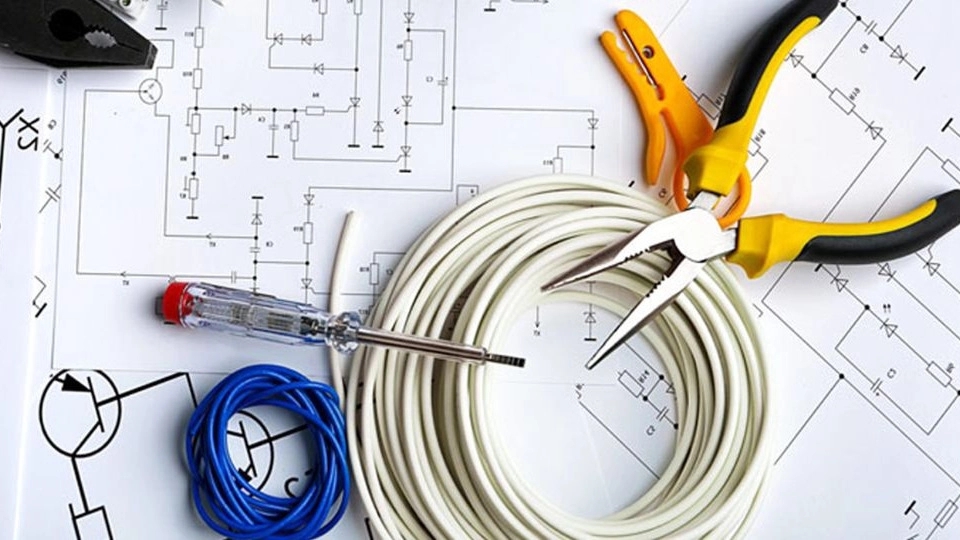
General control and protective equipment
Keys: The first thing in this topic is the keys. that the keys have three main parameters:
the function of the keys: the function of Euclidean to disconnect and connect, protection
the amperage of the keys: which, for example The switch transmits up to several amps as a nominal load (for example, single-bridge and double-bridge switches are up to 10 amps, which means they can disconnect and connect up to ten amps).
Short circuit parameters and error
Fuses: The next item is fuses, which we are all familiar with. Fuses are protective devices that protect the network and people against connections and errors. (that is, they protect both people's lives and the system). The most important things that you should consider about fuses are the following:
Working method: that is, how should they actually disconnect and connect (that is, they are placed inside the cartridge or inside a key base are placed, how are they used in general).
Amperage: which is one of the most key parameters of a fuse. how much nominal load the fuse can withstand).
Size: fuses have different sizes but generally have four main sizes (which do not include cartridge fuses because cartridge fuses are based on the base are at the end of their screw.
Time=current curves: which determine the way to cut off and distinguish the protection of fuses. We know that sockets have different types. The important factors about sockets are the following:
The classification of sockets is important in terms of their function, which can be computer network sockets, electrical sockets, telephone sockets, sockets. Antenna and... which must be specified at the beginning