
Why is it necessary to discharge the sewage well?
Have you ever wondered where all the waste and water that is poured into your kitchen sink goes, or where does your toilet go? Every building and house needs a way to dispose of waste. This is usually done in two ways.
Some houses are connected to the municipal water and sewage network through pipes. This network actually removes the waste from the city and along the way and if possible, the water flowing in the network is also purified for uses such as agriculture.
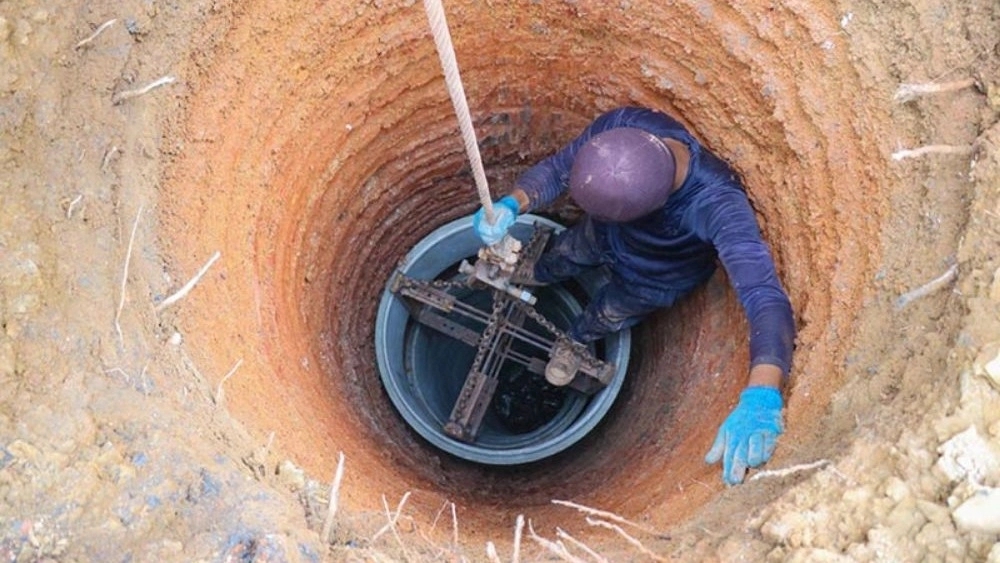
On the other hand, some houses that do not have access to the city water and sewage network have a well that is dug in a suitable and deep place to transport the sewage and building waste to the ground.
What are the reasons for filling the sewage well?
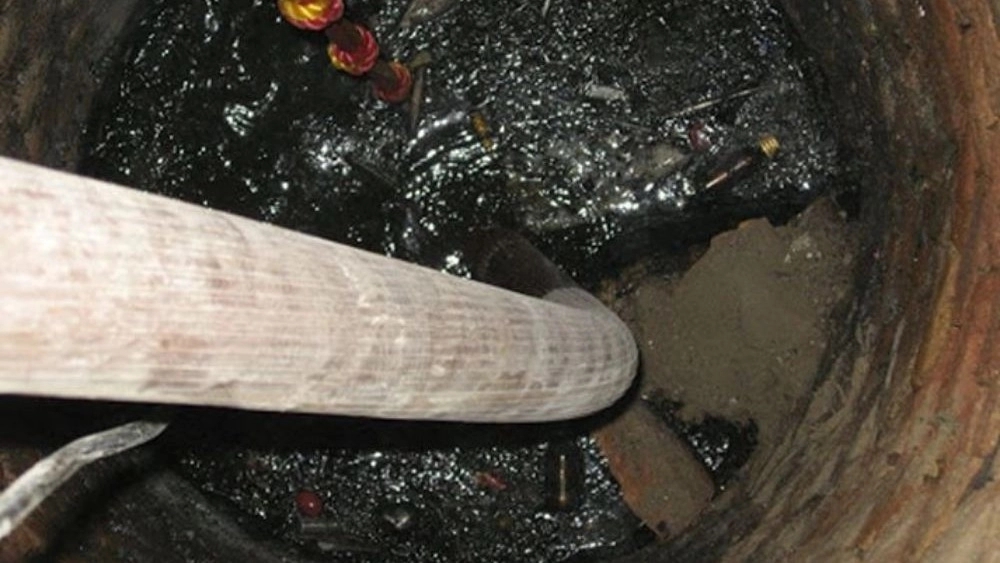
One of the most common reasons for sewage wells to fill up is the collection of materials such as hair, paper towels, shampoo can lids, and other solid waste on the surface of the well water. If these materials are large and accumulate, they gradually create a barrier on the water surface and do not allow new water and waste to go down from the well. In this case, the well is gradually filled.
The next reason is the deposition of oil and fat in the sewage on the walls of the well. Since there is usually a large amount of oil or fat, soap and detergents in the household sewage, sometimes these things are deposited on the well wall and do not allow water to be absorbed by the soil, so the well fills up quickly.
Among other reasons for filling the well, we can mention the low resistance of the local soil. Basically, if the soil where the well is dug is of a type that cannot absorb water well (such as clay), the water and sewage entering the well will gradually pile up and the well will fill up. Another reason that is more common is the exhaustion of the well capacity. As you know, a well, just like a container, has a certain capacity, and if more water and sewage enter it than expected, it will fill up quickly. This issue can sometimes happen during heavy rains and as a result of rainwater entering the sewage well or simply due to the high volume of use of the well in a building.
different ways
🔰 Discharge of Wells by sludge machine
The most common method of draining a well is to use a draining machine or a mud removal machine. In this case, the well draining specialist companies, by means of machines or suction devices, draw the sewage accumulated in the well through a special pipe into a tanker and drain the well, and then drain the collected sewage in another place. Of course, don't worry, the dump site will be determined by the municipality and the health standards will be followed in choosing it.
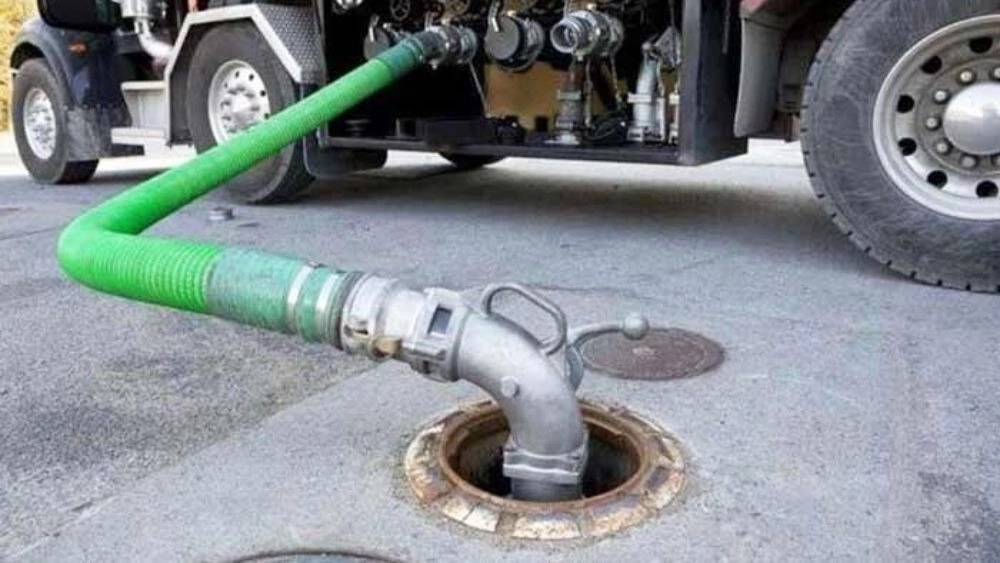
🔰 Discharge of wells by pumping pump
The drain pump method is a relatively old method that is rarely used these days. In this method, a dewatering pump or a sludge pumping pump is sent to the end of the well and the pump performs the emptying operation as long as there is sewage in the well. But in this case, after turning off the pump, some of the wastewater in the drain hose will return to the well and it is possible that the well will not be completely drained.
🔰 Dredging Sewer Well
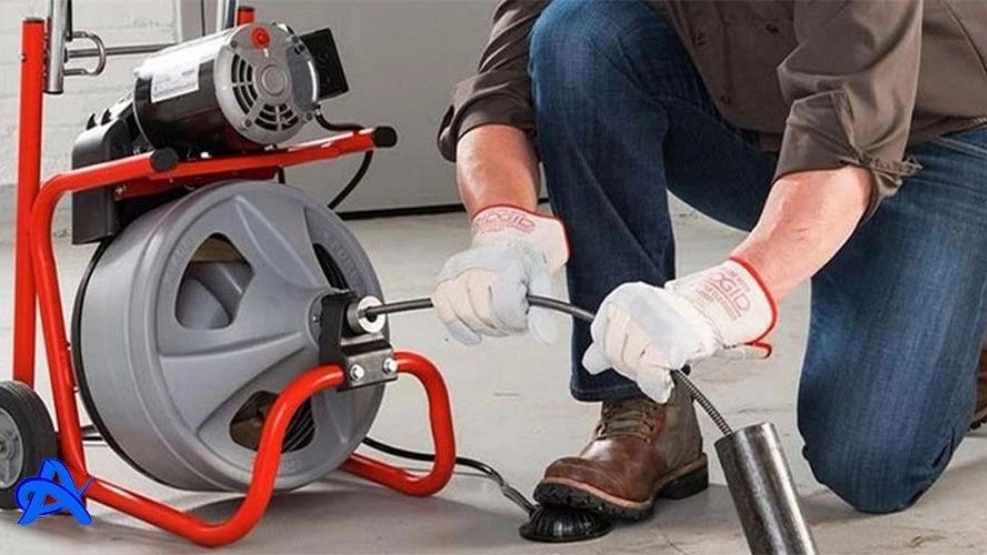
Sometimes, emptying the well is not enough, and some wells lose their original efficiency after being emptied several times and will be filled soon. In this case, a complete dredging is also required for the well. In dredging, the sediments and sludge left on the wall and bottom of the well, which has remained and does not allow water to be absorbed, is scraped by special equipment and experts.