
1. Correct and principled flooring
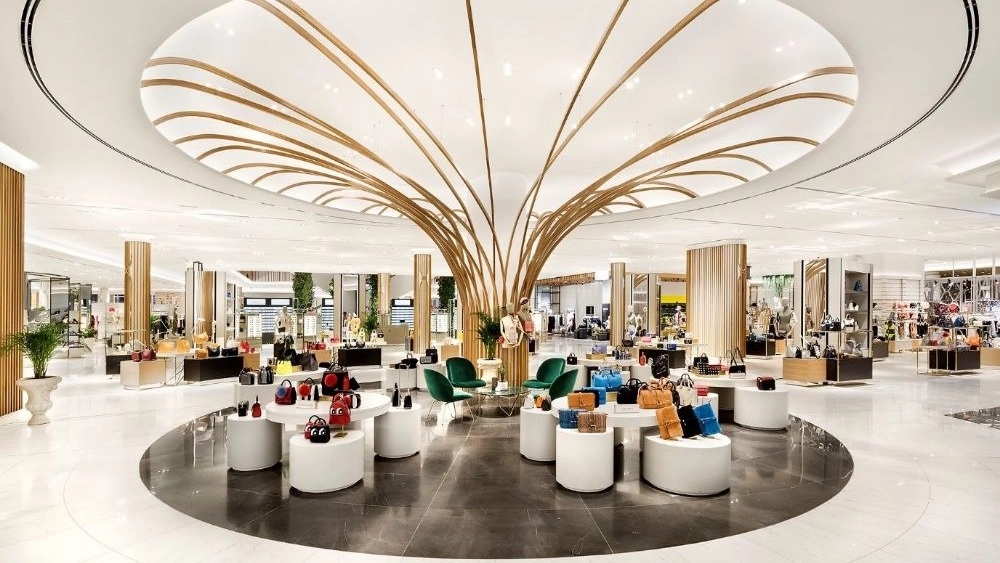
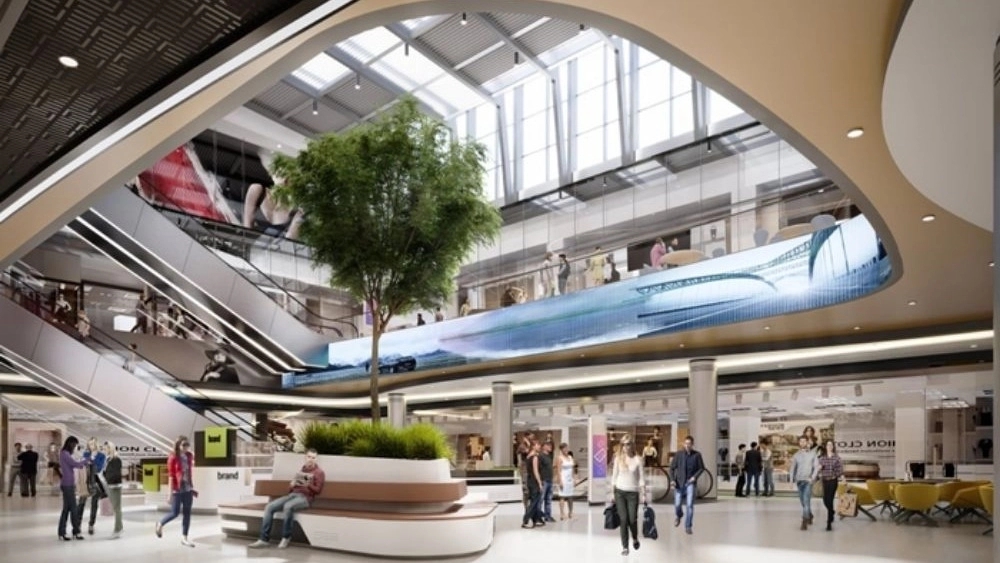
Basic flooring for any building with any user is one of the most important principles that should be considered by the designer. The flooring of commercial spaces must be made of hard materials with high resistance and large dimensions due to the many traffics in it. Choosing the color of the flooring in a commercial environment is faced with challenges. For example, if you choose white flooring, although it will make the space look bigger and more open, it will also highlight any stains and dirt in it. Using black color may make the stains appear less, but on the other hand, it makes the space more boring.
2. Furniture
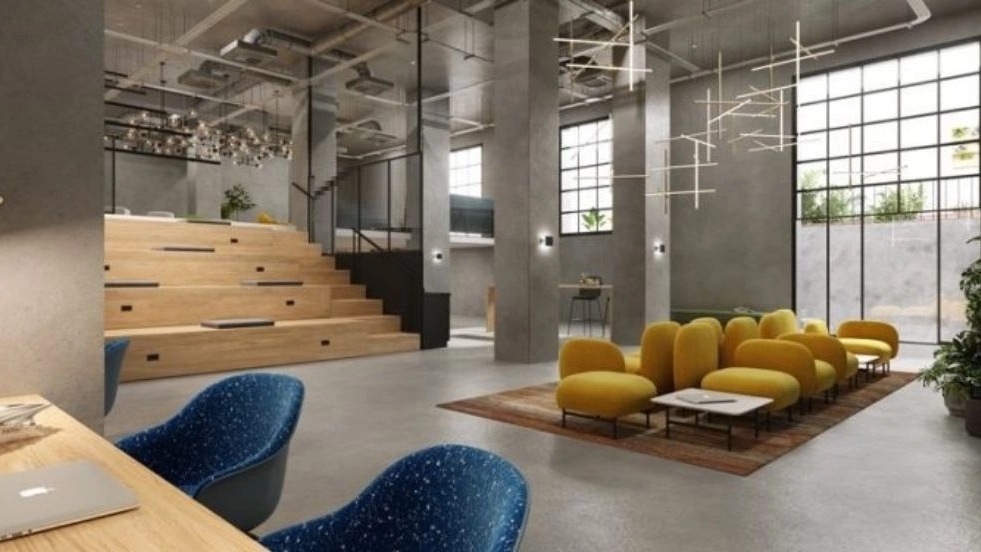
Another point that should be taken into account during commercial interior design is the use of furniture for indoor and outdoor spaces. Of course, it is better to use more indoor furniture because usually most buyers and visitors spend time and rest inside the commercial space. On the other hand, more use of interior furniture makes the buyer stay more time in the business place.
3. Wall, columns and views
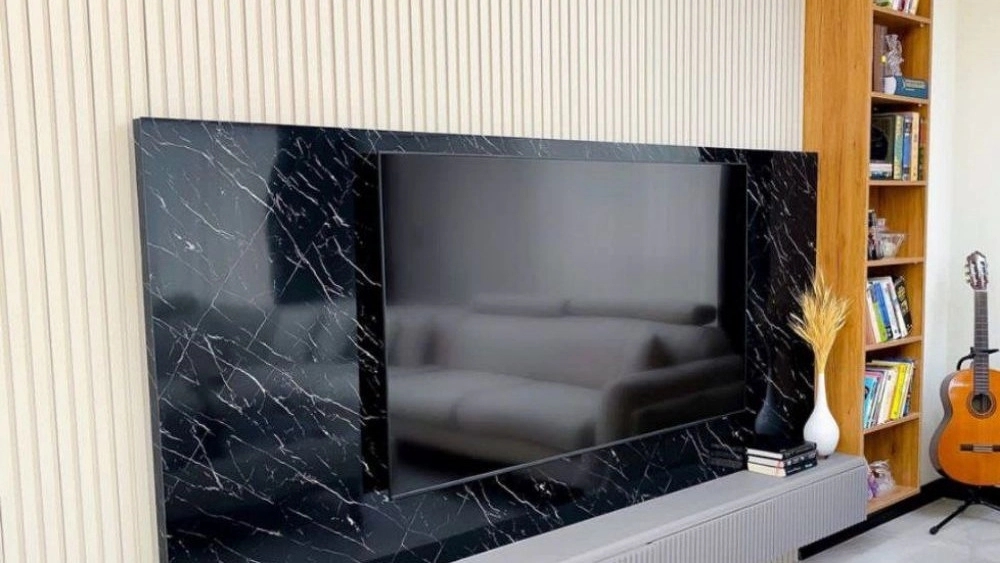
The building skeleton and the facade of a commercial space are considered important elements of commercial complex design and architecture. Usually, due to the fact that commercial spaces are very wide and large, resistant materials should be used in their construction so that they remain for years and are not destroyed. It is better in the design of the plan that the columns of the commercial center are not visible to the audience and are hidden in the walls. Also, you can use wall coverings to cover the walls to double the beauty of your business environment by spending little money.
4. Suitable lighting
Light in the interior architecture of commercial spaces, whether artificial or natural, is eye-catching. Use all your creativity to use light in different parts of the interior design such as facades, showcases and paths. The use of light for different interior parts is also effective.