
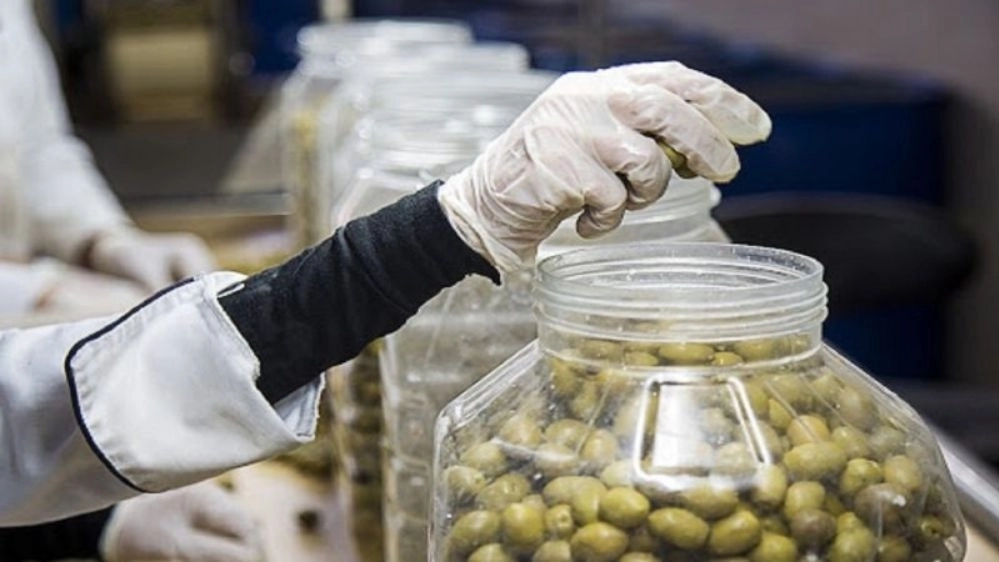


✔️ olive harvest
To harvest the olive fruit from the tree, hand picking is preferred by most growers but is expensive. Harvesting machines have recently been added to the equipment of olive groves. These machines are borrowed from nut harvesters. They can grab the trunks of trees and shake them. After harvesting a tree, nets full of olives are emptied into baskets or boxes and then transported to the processing plant.
✔️ Olive washing
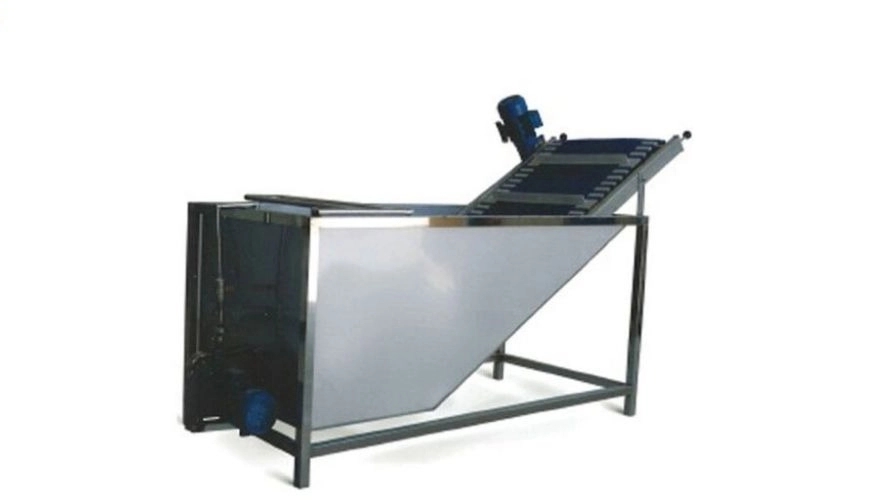
In the processing plant, olive bags are emptied into 450 kg buckets. From the bins, the olives are placed on conveyors and passed by a blower that separates leaves, branches, and dirt particles from the fruit. They are washed in pure water and placed in special barrels.
✔️ Olive processing with brine
To process green olives with salt water, 12-14% salt and water are added to barrels full of olives. A cup of live active salt water is added to each barrel. The live active solution is brine that has previously been used to process olives and contains aerobic yeasts and sugars from olives that have been fermented in brine. This active solution transfers enough yeast to the new batch of brine to start processing. If salt and water were added to olives alone, fermentation would not begin by itself. Therefore, living active salt water is an initiator.
✔️ Quality control of processed olives
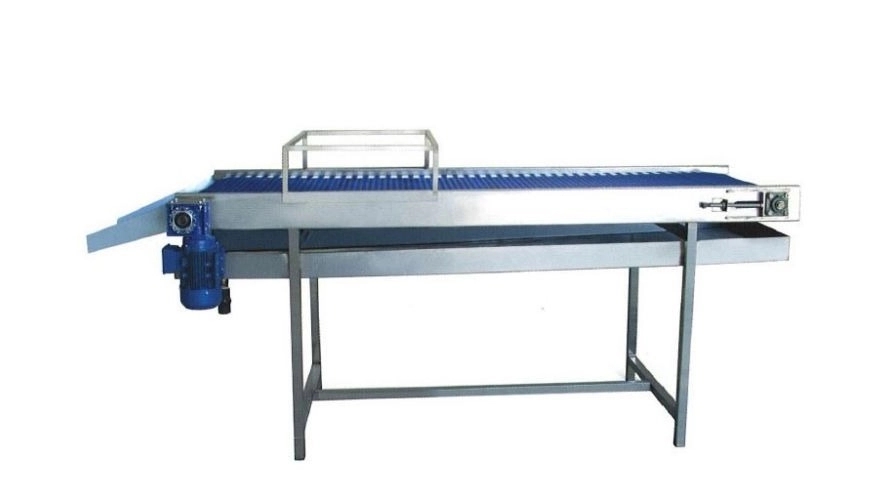
After finishing the processing, the olive barrels are emptied on the vibrating table and washed with clean water. The shaking table sorts the olives by size. While inspectors identify and remove damaged fruits. The olives are transferred to another station where they are pitted and then filled.
✔️ Olives packing
At the packing station, they are filled in jars filled with 8-11% saline solution. If the saline is flavored, herbs or other flavorings are also added to the brine. Then the jars are covered and sealed for safety.