What is a Roman view?
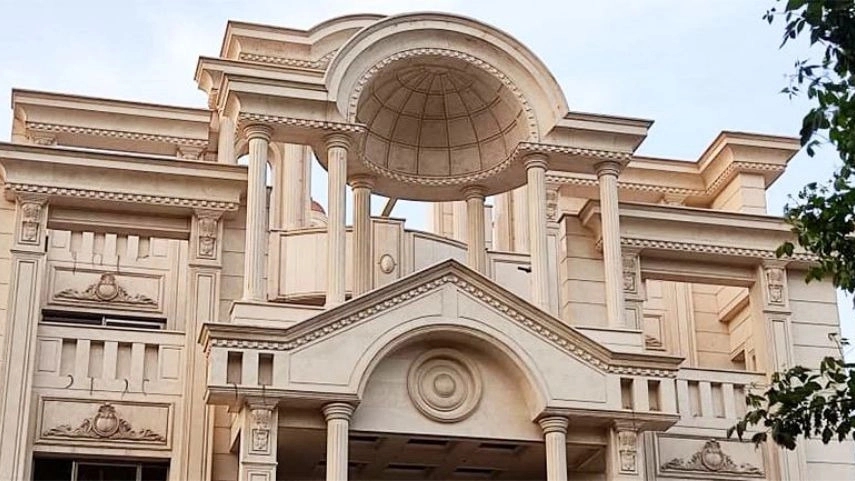
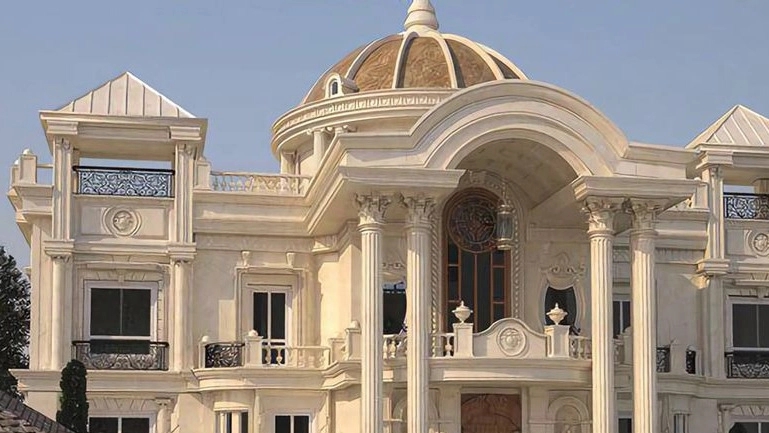
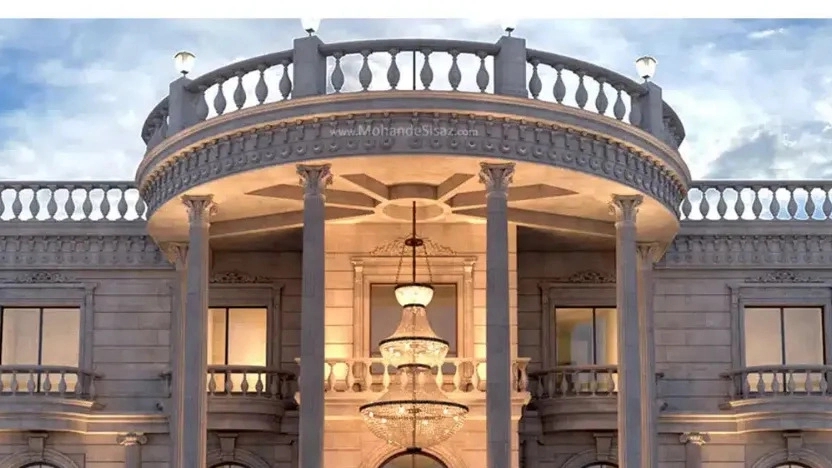
Roman facade actually refers to facades in which many details and elements are used, such as columns, openings, Roman cornices and round and wide arches. In addition, the most important feature of the Roman facade is the symmetry between its two sides. In general, it is better to have full knowledge about the features of that style before choosing any type of display style. Now, the most important characteristics of the Roman facade are the use of many details and its complexity. In the sense that in this type of facade, several tools and elements are used, including: tall and decorated stone columns in Doric, Corinthian and Ionic styles (as you can see in the picture) It is installed in different parts, including the entrance of the building, and other elements such as capitals, columns, statues and inscriptions. Now, in general, the features of the Roman facade are described below.
Roman facade features
- قوس های گرد و عریض
- تقارن میان المان های نمای رومی: رعایت اصل تقارن در نمای رومی از اهمیت بالایی برخوردار است.
- پنجره های بلند صاف یا قوس دار
- سقف بلند که موجب جلال و شکوه ساختمان می شود.
- منحنی های استفاده شده در طراحی کلاسیک موجب القای حس راحتی و آرامش در انسان می شود.
Roman style benefits
- القای حسی از ابهت، تجمل و مرفه بودن به کاربران و ناظران خارجی است.
- با نورپردازی های وسیع به کار رفته در این نوع نما، ساختمان همانند یک جواهر درخشان و نورانی جلوهگر میشود.
- با توجه به قدمت این سبک، نگرانی بابت از مد افتادن در آینده وجود نخواهد داشت.
Types of stones usable in the Roman facade
Generally, the Roman facade is known with stone material, and that is why this type of execution style is considered expensive. The types of stones that can be used in the Roman facade include:
Travertine stone
This type of face stone is one of the most widely used and also the most popular type of face stone. According to the statistics in Iran, it is the most widely used face stone. It belongs to the category of sedimentary rocks.
Granite stone
This type of stone facade is an igneous stone. Granite stone facades react with the surrounding air and rains due to the high iron content in them and become oxidized. Some of these stones are also used in tropical areas. They do it for the exterior.
Chinese stone
Porcelain stone or crystal is the metamorphosed limestone or marble, the grains or crystals of which are visible, and it has a crystal texture, which is mainly composed of calcite and a small amount of lastonite, and in some porcelain stones, quartz is also present. There is that with the increase of quartz, the hardness of porcelain stone increases and it mostly has white and light gray colors. The reason for choosing the Chinese name on this stone is the sound produced by hitting the porcelain stone, which is similar to the sound of porcelain dishes. Since ancient times in Iran, the use of this stone in building facades has been common, especially in warm areas, because its light color prevents it from absorbing too much heat.
Marble
These stones are among the types of natural metamorphic stones, these stones give a very luxurious appearance to the building. They are usually used in the interior of buildings. Because these stones are expensive, architects usually do not use them for the exterior. They are used for the interior. In the pictures below, you can see examples of marble used for the interior of the building, so that you can give your house an extraordinary look by using these stones.