
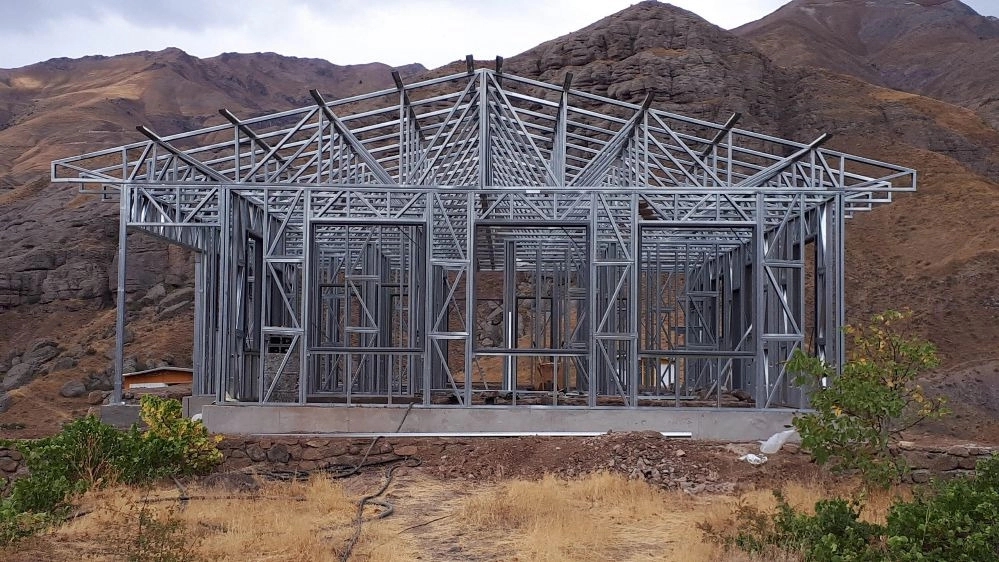
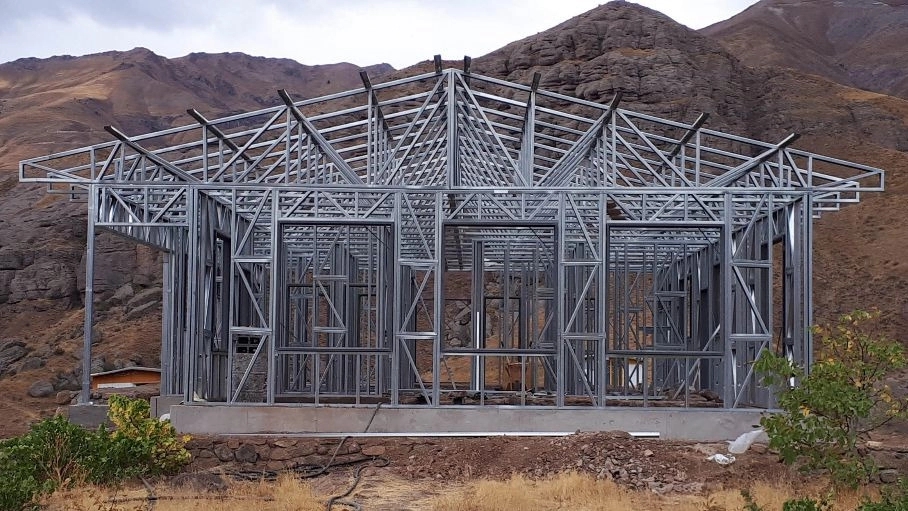


The components of the LSF structures (LSF)
In general, a panel of this structure includes several main parts as follows:
Cold rolled steel sheets to provide the structure
Gypsum board plates as an inner cover
Thermal insulation layer and Audio
How to build LSF structures (LSF)
For the implementation of this building structure, it is necessary to act in accordance with other normal buildings and make all the necessary preparations, including soil tests, plans and architectural drawings. In short, the implementation of the LSF structure can be summarized in the following steps. Electric and mechanical
window door
Foundation and foundation
To install the walls, a foundation with a depth of approximately 50 cm is implemented. After finishing the foundation process, the anchor bolts are placed inside the foundation at predetermined intervals so that the walls can be stabilized using them.
Installation of walls
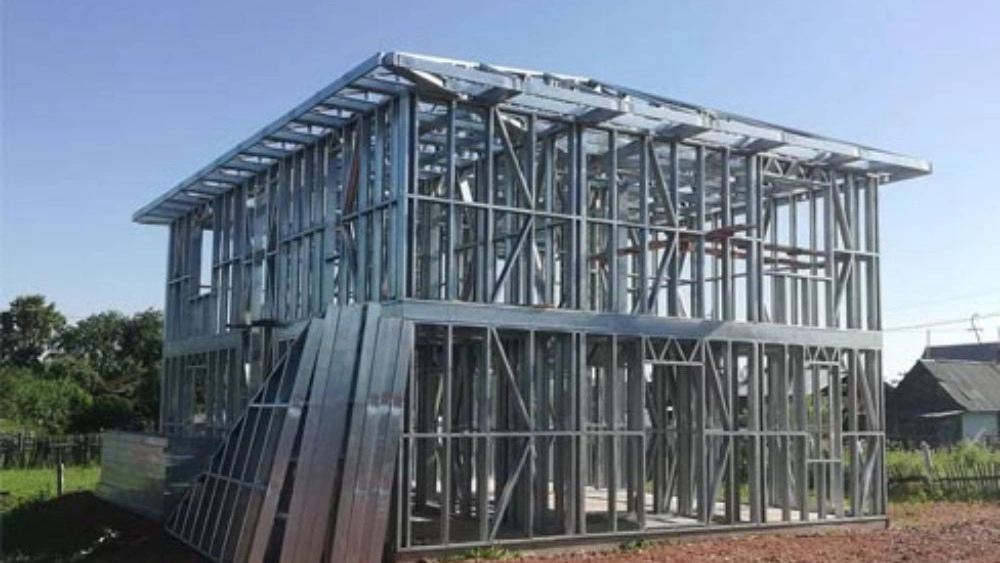
After the implementation of the foundation, it is time to install the walls. As mentioned above, anchor bolts are used to install the walls and keep them stable, which were placed inside the foundation. The walls in these light structures are responsible for bearing the lateral and gravity loads.
The load-bearing walls are installed using some kind of temporary restraints in the designated place. In LSF buildings, lateral load-bearing openings or load-bearing walls are used for the lateral load-bearing of the structure. At this stage, the anchor rods installed in the foundation are connected to the load-bearing walls. The installation of non-load-bearing walls, which will not affect the structure, is mainly done after installation.
Running the ceiling
In the implementation of the roof in LSF structures, they usually follow different methods and styles. Roof trusses and flat beam system are the most used methods of roof implementation. Roof covering is mainly done in dry form or in situ concrete. The construction of these structures mainly consists of cold-rolled metal beams, the distance of which is determined according to the bearing capacity of the member and the dimensions of the roof covering parts.
Interior and exterior coatings
You can use all kinds of traditional or modern materials in external coverings or facades. External coatings can be applied wet and mortar or dry. Various materials can be used to cover the walls in the interior spaces as well as wall paper, paint, wall covering, various types of tiles and plaster. In the floor covering, you can use all kinds of parquet, carpet and flooring. The insulation of the internal and external walls is mainly done using polystyrene sheets with a thickness of 5 cm.