


1- Reduce production costs
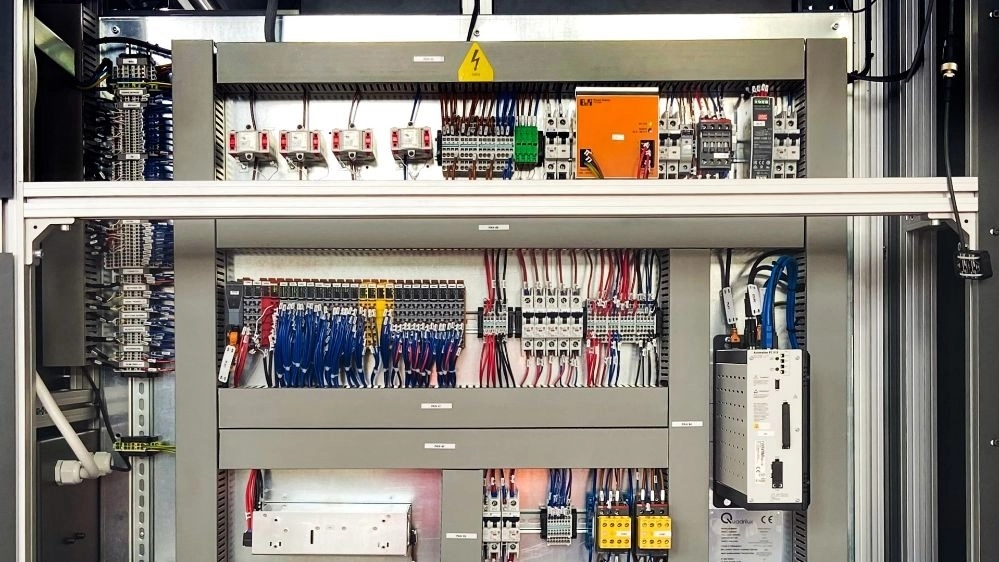
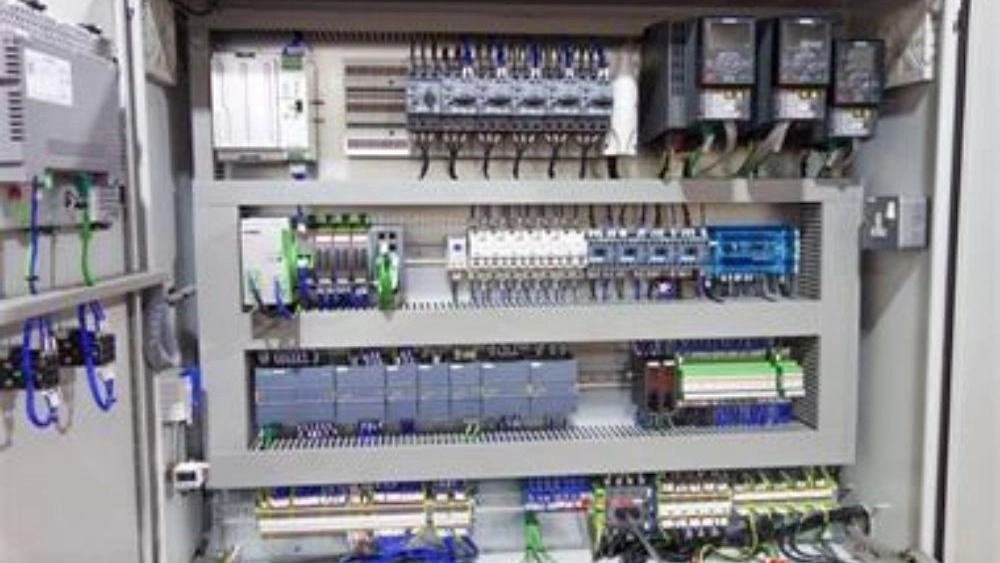
One of the main advantages of industrial automation is reducing production costs. By replacing machines and automatic systems instead of human labor, the costs related to salaries, wages and employee benefits will be reduced significantly. Also, with the reduction of human errors, the amount of wastage of resources and raw materials decreases, which directly affects the reduction of final production costs. In addition, automatic systems are able to work continuously and without interruption, which increases productivity and reduces costs related to production line downtime.
2- Increase productivity in production
Industrial automation significantly increases production productivity due to the ability to work 24 hours a day, 7 days a week. In many industries, manpower has limitations such as the need for rest, holidays, and shift changes that can cause production to stop or decrease. But automation systems can continue production with the same initial quality without stopping. This feature of automation leads to increased production over time and reduced possible delays.
3- Improved quality of production
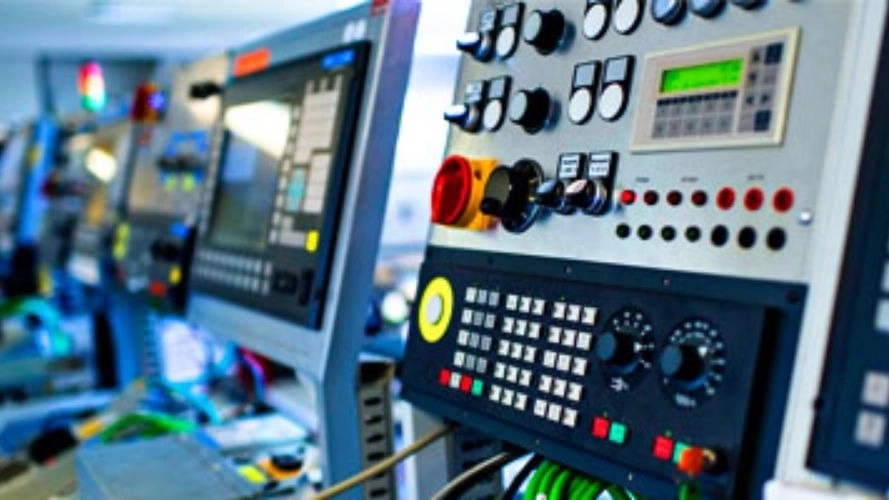
Another important benefit of industrial automation is increasing the quality of products. Due to the reduction or even elimination of human errors, the final quality of products improves. Automatic machines with high precision and precise controls can maintain certain standards in production and minimize the possibility of repeated human errors that can affect quality.
4- Increased production flexibility
Industrial automation systems can be quickly programmed and changed to respond to new production needs or changes in products. Adding new steps to the production line, which may require human training, can be done in automation systems simply by changing existing programs. This feature increases the flexibility and adaptability of the production line to market needs.
5. Increased accuracy in monitoring and data collection
Industrial automation, using advanced data collection systems, allows more accurate and detailed monitoring of the production process. These systems are able to collect and analyze information instantly and with high accuracy. As a result, possible errors in information are reduced and costs related to data collection and analysis are also reduced. This detailed information helps managers to make better decisions to improve production processes and reduce waste.
6. Increase safety in the workplace
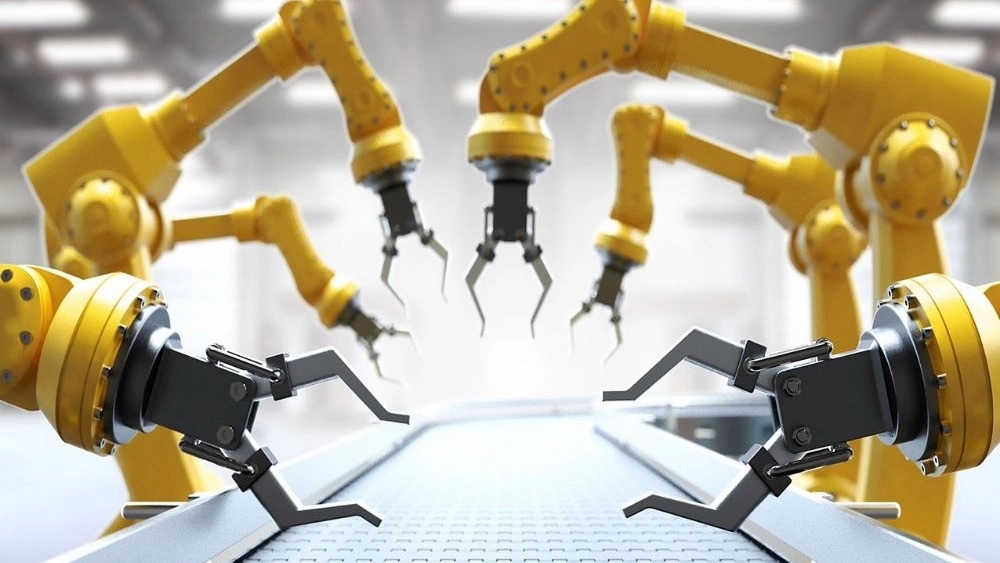
Industrial automation plays a key role in increasing employee safety. Automatic machines can work in dangerous environments where human presence may cause life risks. By reducing the need for the direct presence of human resources in the production processes, the probability of work accidents is also greatly reduced.