

Use and use of ceiling crane
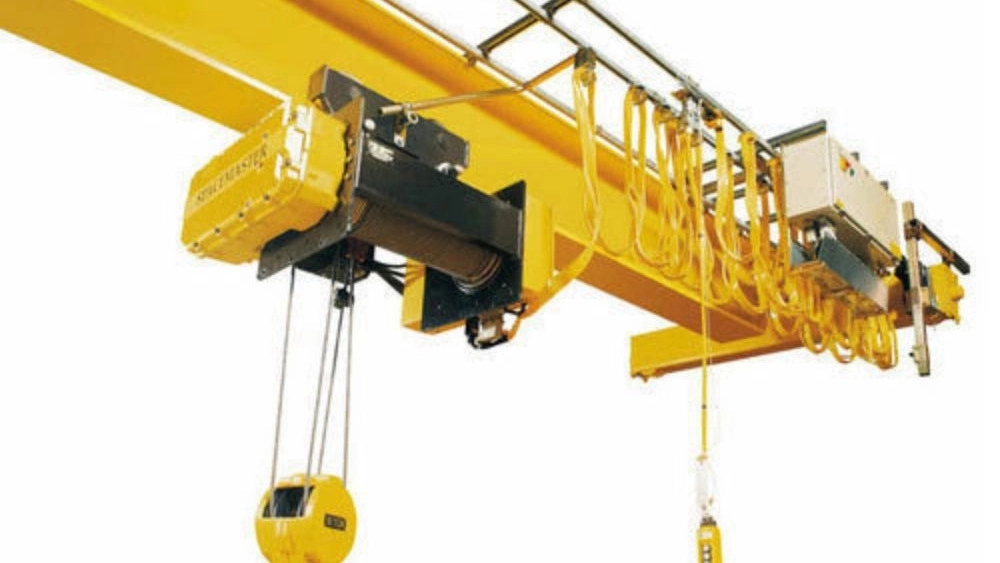
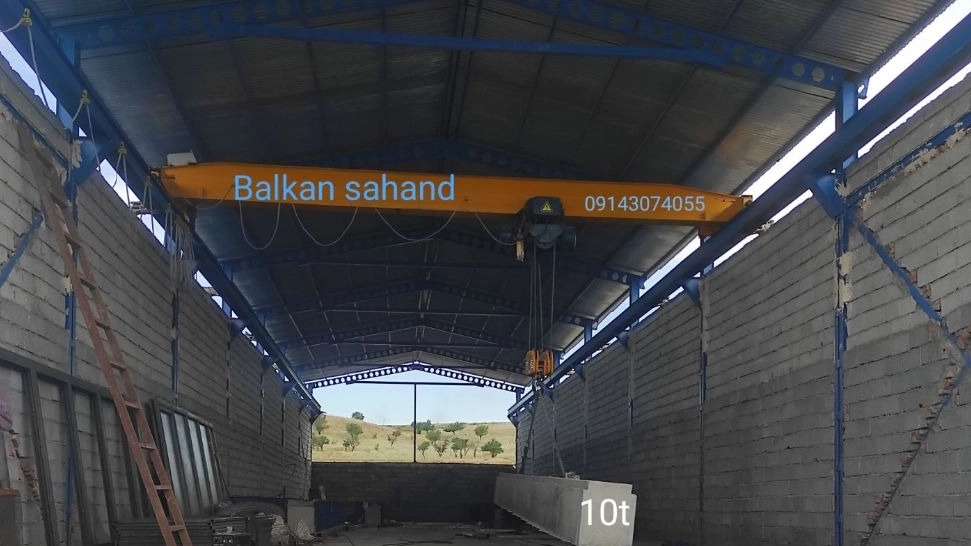
As it is clear from the name of this type of crane, the overhead crane is a device that is installed in the upper part of the shed columns in workshops or factories. These types of cranes are made of single-bridge types, such as single-bridge overhead cranes, single-bridge overhead cranes, double-bridge overhead cranes, and double-bridge overhead cranes. Note that the components of single-bridge and double-bridge overhead cranes are not much different from each other except in limited cases. A single-bridge overhead crane uses one bridge to move and carry weight, and a double-bridge overhead crane, such as a two-bridge overhead crane and a double-bridge overhead crane, uses two bridges to move around and bear the weight of the load. Therefore, it is clear that all types of double bridge overhead cranes are able to move very high weights. Therefore, it can be said that these types of cranes are mainly used in large factories. Therefore, based on these two factors, it can be concluded that the price of the overhead crane with two electric bridges can be the most expensive type of overhead crane. Of course, which brand or which country produced it and what after-sales service it provides is also very important in pricing.
Ceiling crane properties
✅ A small amount of money is needed to maintain a ceiling crane.
✅ A ceiling crane can reach all points independently.
✅ To repair a ceiling crane, the cost that It should be paid less. ✅ Overhead crane will save energy.
✅ The best option for moving parts that have heavy weight will be overhead crane.
✅ No special skills are needed to use a ceiling crane and it is very easy to do.
Crane crane components
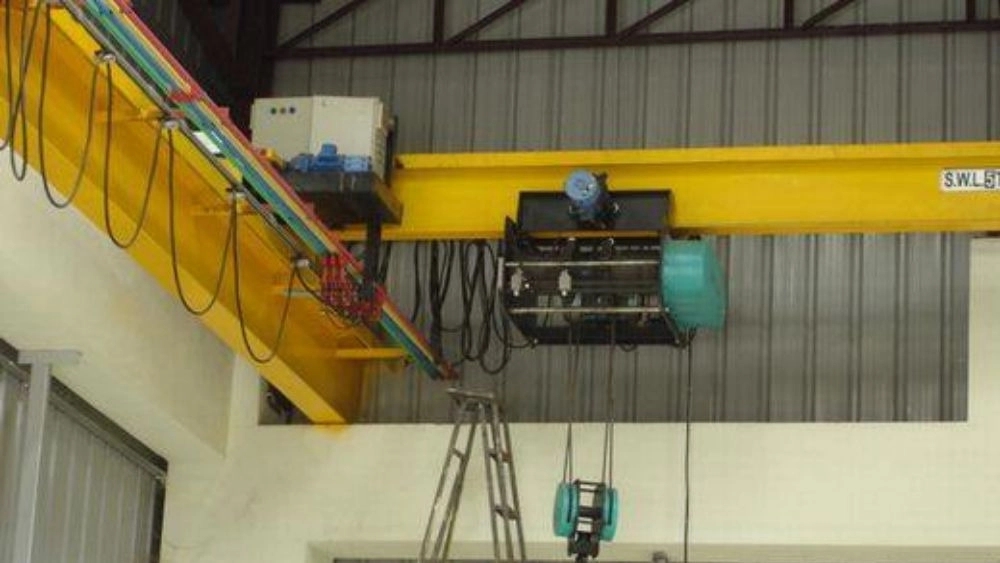
The most important part of overhead crane and any other crane is its winch. A winch is a device that produces the necessary power to move objects. In fact, the fact that you can see that a crane in different models can move objects weighing several hundred tons is all due to the technology of its winch construction. The winch is made of three basic components: motor, gearbox and drum. Let us explain a little more. The winch converts the force we give to it into mechanical force, and the gearbox adjusts this force according to the user's needs and transfers it to the drum. The drum also causes the load to move by converting the received force into a driving force. Now, the input power can be electric, gasoline, hydraulic, etc. In fact, it mostly depends on the manufacturer and of course your needs.