
Ceramic Tile
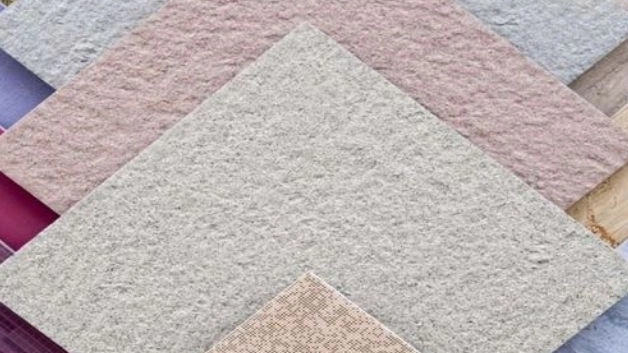
Ceramic tiles are a kind of materials that are generally made of sand, clay and minerals. The overall shape of the tiles may vary. You can find round, square, oval and rectangular tiles in the building materials market. In fact, there are different molds for baking tiles in the oven.
Tile and ceramics are usually divided into two groups: porcelain and non-porcelain.
Ceramics and tiles that are not porcelain are usually made of white, red or even brown clay in combination with other minerals. But in the case of porcelain tiles and ceramics, the story is different and the ratio of clay to other materials will be the same. Additives that are used in porcelain tiles and ceramics are generally white sand or feldspar.
If you don't know what feldspar is, we must say that this material is a type of glass crystal that is usually found in igneous rocks. to be Of course, it goes without saying that many times, changes are made in the ingredients of tiles or ceramics, which ultimately makes the product different and gives it different characteristics.
porcelain ceramics
This type of ceramic has very good resistance and will have larger dimensions than other tiles and ceramics. This type of ceramic is very dense and its resistance also comes from this issue. It is impenetrable and made of fine and smooth grains. To produce this ceramic, white clay is first made under high pressure to increase its density. This double pressure makes the ceramic resistance higher. Of course, it goes without saying that the price of porcelain ceramics is higher compared to other tiles and ceramics.
Ceramic Benefits of Porcelain
In general, many advantages can be listed for this type of ceramic, but briefly, the following can be mentioned:
- against water penetration It is resistant.
- It has great chemical resistance.
- It is stain resistant. .
- Its variety of colors and designs is high.
- It is also resistant to fire and high temperature.
Ceramic use of porcelain
As we said, the resistance of porcelain ceramic against water penetration has made it to be used in places with high humidity. For example, this type of ceramic can be used for the exterior of the structure. Or that it is used for the final covering of the stairs. Using porcelain ceramics for bathrooms is not very economical because of its high price.
porcelain ceramic types
This ceramic itself is also divided into different types. In fact, the combination of minerals and the type of firing of this ceramic will have an effect on the final product. In general, we have several types of porcelain ceramics:
Ceramic Full Wind Ceramic
The texture of this type of ceramic is uniform and dense, and the porcelain clay used in it has good durability and impact resistance. This type of ceramic is used without glaze and is more expensive than other types of porcelain ceramics. The absorption of full-body ceramic is very low, and for this reason, it can be used in covering the floor of toilets and bathrooms.
two -layer porcelain ceramics
Another type of porcelain ceramics is the two-layer type, which consists of two layers of clay. On the second layer, they put some colored soil and finally bake it in the oven. In order to increase the resistance of these two ceramic layers, they are subjected to very high pressure. The most common use of this type of ceramic is on the floor because it has a lower price.
Ceramic Porcelain with glazed
The main feature of this ceramic, as its name suggests, is its colorful glazes, which increase the product's resistance to stains and scratches. Most of the time, this type of porcelain ceramic is used to cover the wall and floor of the interior. The color and gloss that this ceramic has compared to other porcelain ceramics has made it used in interior design.