
Behzi

fish farming

fish farming

Baharan Agriculture and Irrigation Company

Reading Time 1 Minutes

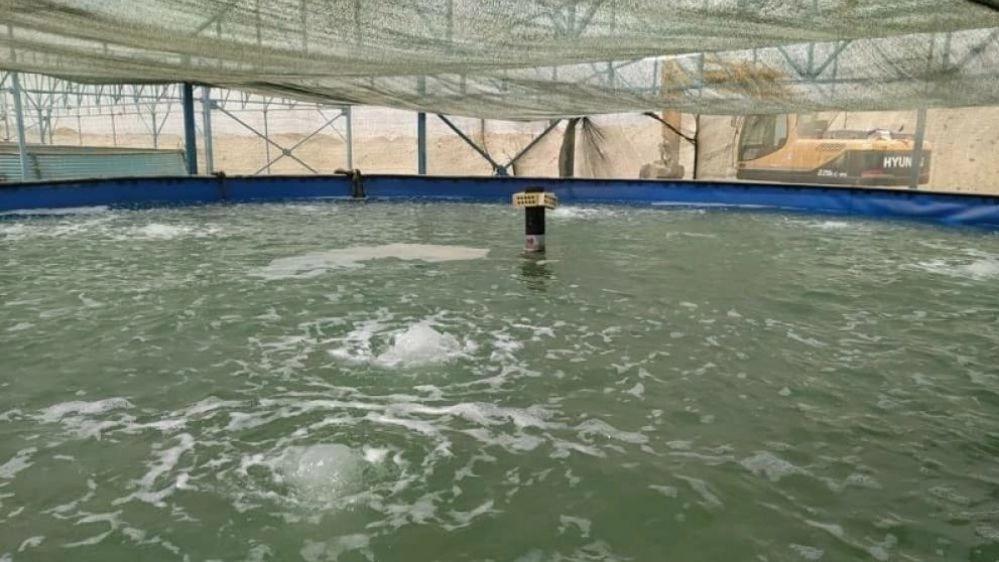
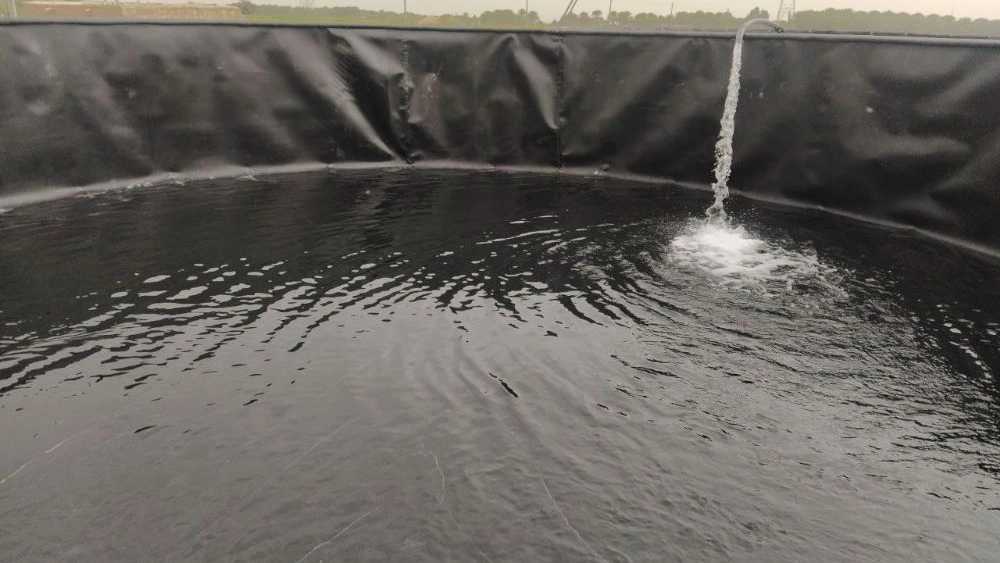
Parts of a warming fish farm:

1- Walls 2- Water supply and water supply system 3- Water inlet valve 4- Outlet valve and drain channel 5- Fishing pond 6- Ventilation system 7- Buildings and ancillary facilities

Larvae to Baby Fish in proliferation workshops:

The larvae are about 5-7 mm long, which after about a month reach 3-4 cm and weigh about 200-300 mg, which takes about 5-6 weeks with preparation before and after harvesting. Baby fish are called summer fish.

Pool Preparation for Release of larvae:

1- Weed collection and liming 2- Plowing and disking: we should plow the pool shallowly because if we plow deeply Fertile soil is out of reach. 3- Basic fertilizer: using 3-5 tons of cow manure per hectare and after dewatering, 70 and 30 kg of fertilizer respectively. nitrate and phosphate per hectare. 4- Drinking water from a safe and healthy source: We drink half of the pool 5-6 days before transferring the larvae. Draining must be quick to prevent the accumulation of harmful organisms. 5- If possible, create a barrier to prevent snakes and frogs from entering 6-Spraying the pool: using poisons such as trichlorophene, flybol, mazotene with the dosage 0.5-1 ppm (half to one gram per cubic meter). These toxins of cladocerans and copepods within 16-24 It kills for hours while it has no effect on rotifers. In addition, there are 100 cyclops per liter Pool water destroys 90-95% of larvae

Larva Transfer:

1- Transferring the larva from the incubation hall is when the larva is actively feeding and its color has turned completely black. 2- Any movement should be done in the cool morning air. 3- Larvae should enter the pool in calm and quiet places, away from the wall and with respect to the temperature. 4- Larva cultivation should be done 6-7 days after fertilization because dissolved oxygen is used to decompose the fertilizer And from the fifth day onwards, auxin increases again. 5- The amount of cultivation is 2-3 million per hectare. But it should be noted that this density decreases in large pools.

Nutrition of larvae:

The most suitable food is rotifer and paramecia at the beginning of feeding. In the 1-4 days after larva cultivation, there is no need to feed due to the presence of the yolk sac, but we use manual food to familiarize the larvae with the taste and smell of food and to learn how to find food. One of the causes of the death of baby fish is the lack of proper food. In general, we start feeding from the second day, and this food should have 40-50% protein, which can be used in equal parts of wheat flour, soy flour, fish powder, and meat powder, and it should be in the form of 0.1-0.2 fine flour. A millimeter should be sprinkled on the sides of the pool. After 10-12 days of breeding the fry and when they start swimming in groups, you can gradually use a plastic pan for feeding. The amount of food depends on the abundance of zooplanktons, the type of pool, as well as the percentage of survival and the age of the babies. On average, 1-1.5 kg of food can be used in 2-3 meals, which increases with age. Food should be distributed in the pool with its back to the wind. In addition, you can use soybean meal, soybean oil, milk powder, and various mineral and vitamin supplements in food. At the same time, excessive use of soy flour causes vitamin A deficiency. If the size of the food is large, the fish will attack several times to get the food, which is very dangerous for the baby fish due to excessive energy consumption. Therefore, the loss of energy causes mass death in the first week. (very important) one of the best foods for initial nutrition is soy syrup, which can be used to feed 30-60 kg of soybeans for a period of He soaked it in water for 7-8 hours and then grinded it with the help of a meat grinder and gave the white juice to the fish in 2-3 times. 5 days after cultivating the larvae, 1-1.5 tons of cow manure can be used to gradually Fertilize natural foods in the pool.

Funny:

After the weight of baby fish reaches 300 mg and the size is equal to 2-3 cm, they are caught and transferred to finger fish breeding ponds. Of course, in many farms, in case of high density, they catch some of the juveniles, reduce the density, and continue to breed fingerling fish in the same pond. In general, it is necessary to cut off hand food for at least one day, but in large ponds, cut off food. It should be done gradually and over several days.

Fingerprinting baby breeding:

At this stage, the summer fry are raised for another 3-5 months until they reach a length of about 8-20 cm. These fish are called fingerlings. The principles of preparing the breeding pond for fingerlings are the same as for juveniles, only spraying is not done in these ponds. The duration of dewatering is better to be 10-12 days, and release is done 10 days after complete dewatering In the meantime, if there is a larnae parasite, this parasite will disappear due to the absence of fish. You can use a density of 50-100 thousand per hectare. Excessive use of manual food causes the fish to become abnormally fat and sensitive to Diseases occur especially in the cold season. 1-1.5% of the actual weight of carp fish is fed. Every three weeks, their feeding places should be visited and displacements should be made in the Amur fish feeding place. The belly of the fish should be pressed from the side: dark color (natural food), light gray color (handmade food).

Content support expert - code 05 - extension 229

Content support expert - code 05 - extension 229

Post Author

11131

common:article

View Page

I am a content support expert with code 05 in Behazi. My job is to manage, upload and optimize business content. To contact me, you can call 01391001011 extension 229.

Similar Posts