
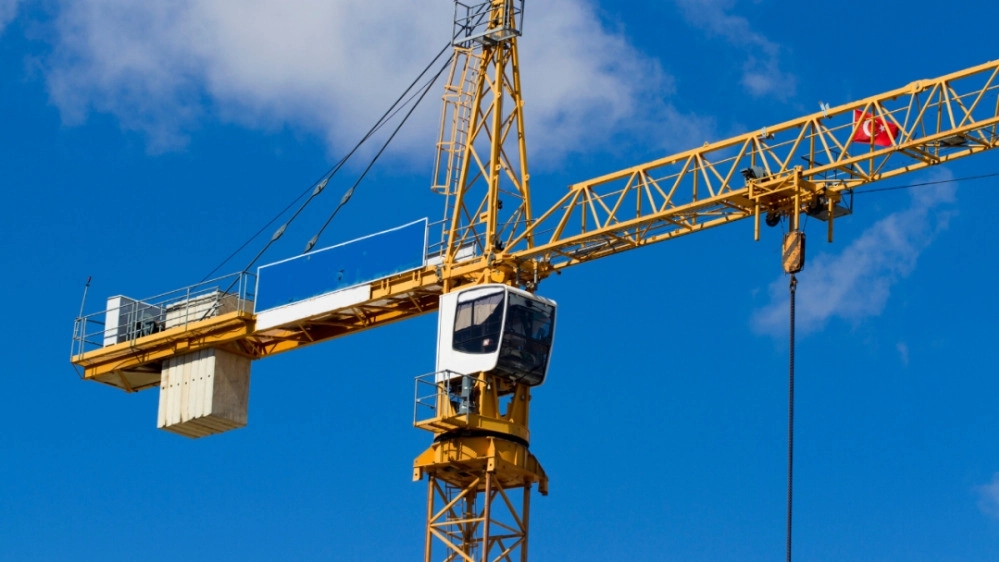
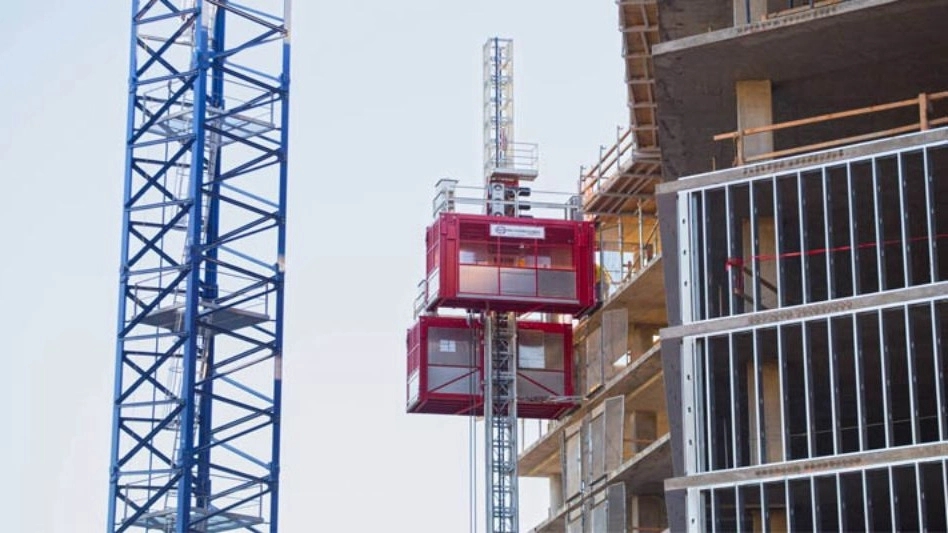

Tower crane is one of the main and very vital tools in the construction industry, which is used to move heavy loads and perform construction operations. These long and powerful devices are characterized by the use of a long rod called a tower rod, a jib and a rotating unit called a slewing unit. Tower cranes improve efficiency and speed in construction projects by being able to lift heavy loads to heights and distances away from the work site.
Introducing Crane Tower Components
Tower section (Tower)
The tower mast is the main and essential part of the tower crane, which acts as the main base and height of the device. This section is made up of pieces called sections, which are combined to create the required height of the tower crane. Correct selection and measurement of sections is very important to ensure the strength and stability of the tower crane.
Rotating (Turn Table)
This part of the tower crane is responsible for rotating the machine. By using the tower crane rotator, it is able to rotate and move loads more quickly and accurately. This unit improves the performance of the tower crane by using powerful motors and complex rotation systems.
Pocket (jib)
The pocket is one of the important parts of the tower crane that carries and moves loads. The length of the pocket is variable and depends on the type and dimensions of the tower crane. This part can usually be adjusted so that it can function more optimally in the transfer of loads.
Counterweight Weights (Counterweight)
Counterweights are necessary for the balance and strength of the tower crane during carrying operations. These weights are usually placed next to the tower bar and have different settings according to different needs and conditions. It is very important to choose and use appropriate counterweights to ensure the strength and stability of the tower crane during use.
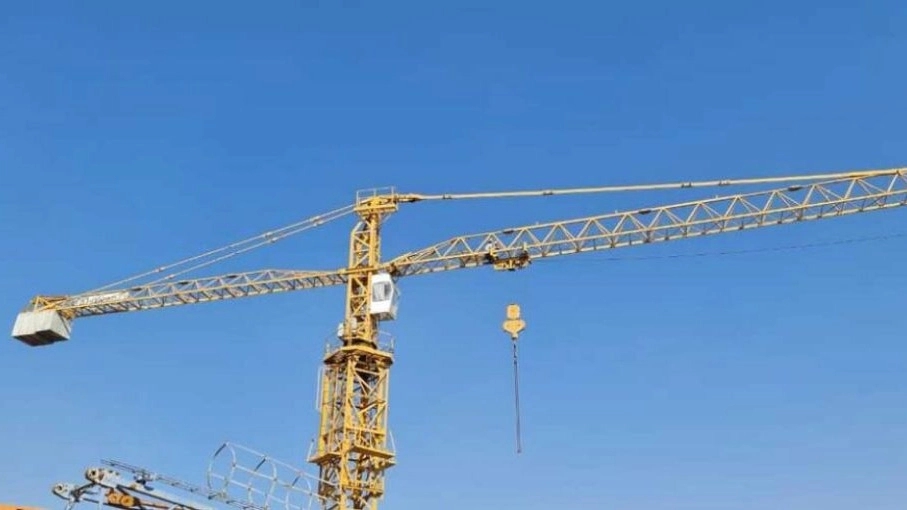
Types of Tower Corrence
Tower cranes are designed and built in different ways, each with its own features and capabilities. In the following, we will examine the three main types of tower cranes:
Hammerhead Crane (Hammerhead Crane)
This type of tower cranes are used for projects with limited space and the need to lift heavy loads. Therefore, the pocket of this tower crane is directly connected to the tower bar and has the possibility of limited rotation, which helps to increase safety in the work environment.
SUSCHER CORRECTIR-SELF -ERETING CRANES
This type of tower cranes can be easily installed and transported. This device gets its propulsion and installation power from its own generator and engine, which is inside its system and helps a lot in maneuvering and providing services. This feature allows them to be used in small and medium projects and reduces the cost and time of installation and transportation.
Tower Correine with Crack Crane -Crack Pocket
This type of tower cranes are used for projects with limited space and the need to rotate the pocket at different angles. This feature allows operations to be carried out in closed and complex spaces and increases the efficiency of the tower crane.
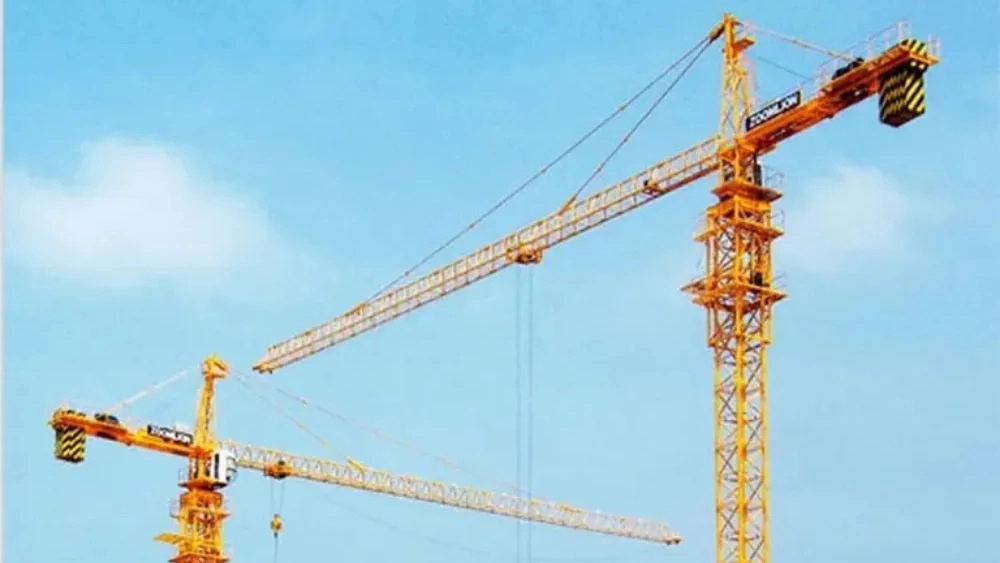
Tower Correline
Load capacity and radius
The load capacity and radius of the tower crane determine how much and what type of load it can lift and to what distance from the tower bar. This information is very important for the correct planning of cargo operations and moving loads and helps to increase safety and efficiency in the work environment.
Lifting mechanism
This mechanism Responsible for lifting loads. By using a powerful engine, loads are lifted quickly and more accurately and transported to the desired destination. The correct and optimal functioning of this mechanism is of great importance so that the carrying operation can be carried out correctly and without problems.
Rotation mechanism
This mechanism allows the tower crane to rotate in different angles and directions and deliver loads to the desired destination. The correct use of this mechanism is very important so that the tower crane can operate accurately and effectively in the work space and reduce possible risks.