
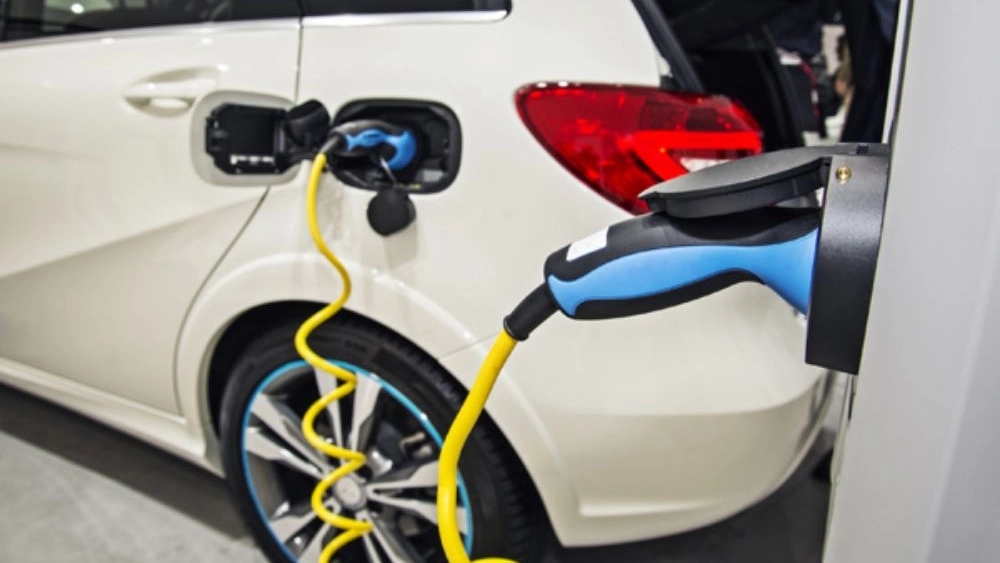
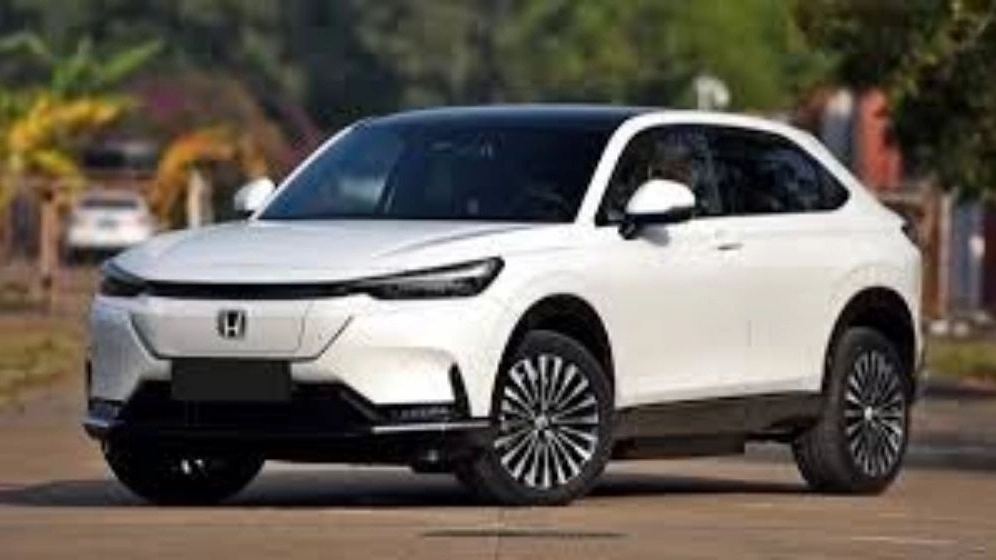
Electric Vehicle (BEV)
This type of electric car only uses the battery for energy supply and its engine is electric. All-electric cars have high efficiency and low noise and emissions. Tesla products, Mercedes-Benz EQ series, Volkswagen ID series and models such as Nissan Leaf, Peugeot e-208, Chevrolet Bolt and Hyundai Kona Electric are included in this category.
Hybrid car (HEV)
Hybrid cars use a combination of an internal combustion engine and an electric motor (usually weak) to provide power. These cars have average efficiency, lower noise and less emissions than gasoline and diesel models. Toyota Prius and Honda Insight are among the most famous models in this category.
Hybrid plug -in vehicle (PHEV)
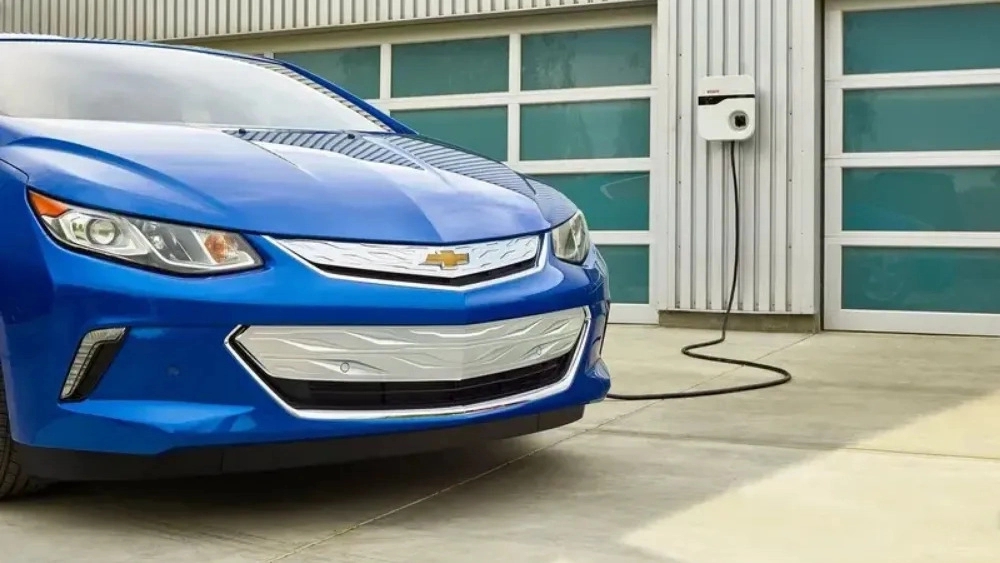
Plug-in hybrid cars are structurally similar to hybrid cars, with the difference that their electric motor produces more power and the battery can be charged by connecting to the electrical grid. These cars have higher efficiency, less noise and lower emissions than the so-called mild hybrid cars. Chevrolet Volt Plug-in, Mitsubishi Outlander PHEV, Toyota Rav4 Prime and General Motors products are classified in this category.
Fuel cell car (FCCEV)
In these types of cars, fuel cell technology is used to generate electricity. These machines have very high efficiency, very low noise and zero emissions, and only water comes out of their exhaust! The models in this category are Toyota Mirai, Honda Clarity and Hyundai Nexo.
Solar car
As you can guess, the solar car uses the sun's energy to generate power and movement. A solar car usually has photovoltaic panels that can convert sunlight into electricity. The electricity produced by the panels is either directly provided to the engine, or stored in the battery. The solar car has advantages such as reducing air pollution, reducing fuel costs and reducing greenhouse gas emissions. On the other hand, such cars face challenges such as high manufacturing cost, low performance in low light conditions, and limited battery capacity.
Long -range electric car (EREV)
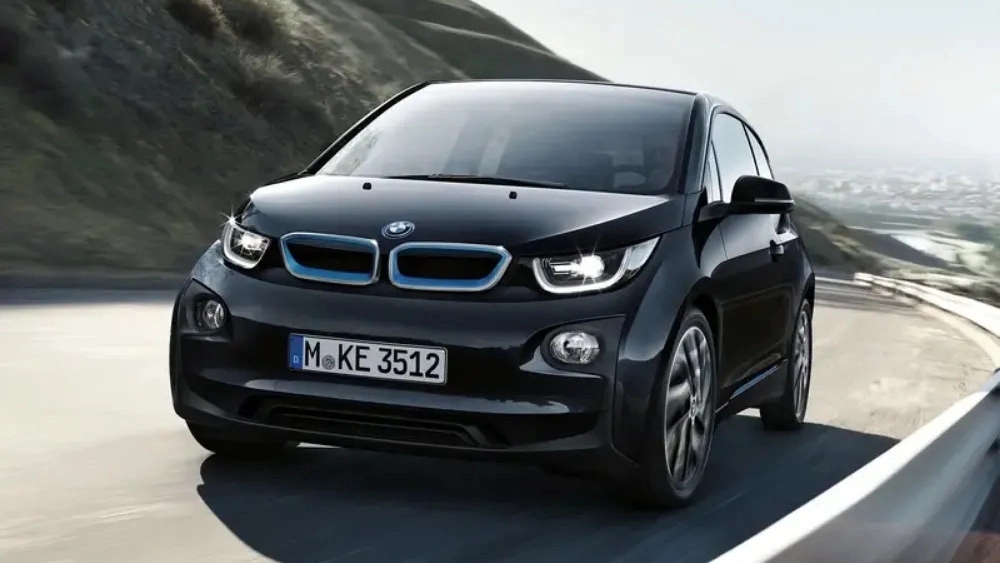
The long-range electric vehicle or EREV can be considered a type of hybrid vehicle. This type of vehicle can be powered by batteries or fossil fuels. In these cars, the engine includes an electric motor and an internal combustion engine. The internal combustion engine has the same role as a generator, and the wheels receive the necessary power to move from the electric motor. In other words, in EREV cars, the internal combustion engine increases the driving range by generating additional electricity. Compared to gasoline and diesel models, these types of cars have better efficiency and lower fuel consumption. Also, EREV cars do not get grounded in the event of a power outage, and can continue to be driven and used by filling the tank. This type of electric car is known as one of the suitable solutions to reduce air pollution and save energy.