


What is a plastic sack?
Throughout history, humans have needed a device that can cover a large amount of material to move materials. Probably from ancient times, the idea of making bags arose and this need has always existed since then. With the passage of time, the dimensions and sizes of the bags have reached the ones we know today
With the advancement of science and technology, raw materials such as plastic were added to make sacks. Due to their special characteristics, these materials became a suitable means for moving very fine materials.
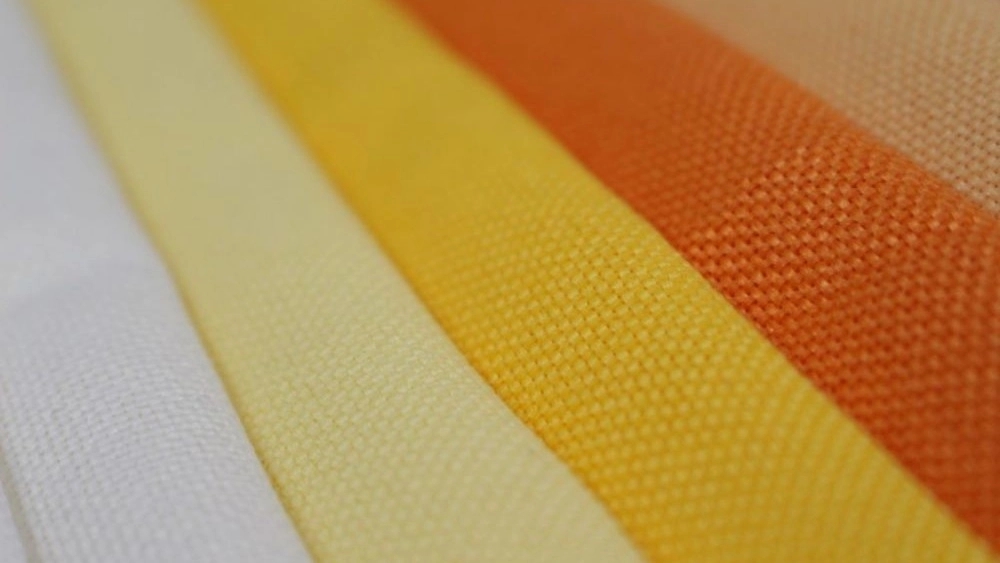
The two main types of plastic used to make sacks are polypropylene and polyethylene. These materials are light, transparent and resistant to water and are easily converted into thin fibers. These fibers are later transformed into industrial fabrics from which different sizes of plastic sacks can be produced.
Plastic sacks made from polypropylene are usually stronger, more flexible, and easier to make than other sacks. These sacks are also more resistant to different weather conditions such as cold and hot weather and have a lower price.
How many categories are divided into plastic sacks?
Plastic sacks are used in various areas such as packaging food items, construction materials, etc., and each work area requires a specific type of sack.
1 | Polyethylene sack
Polyethylene (PE) is one of the most widely used and cheapest types of plastic. This type of plastic has good resistance to corrosion, breakage and cracks. It is used for packaging food, industrial products, household appliances and some chemicals. Polyethylene can be transparent or opaque, and it is available in different dimensions in the market.

2 | Polypropylene sack
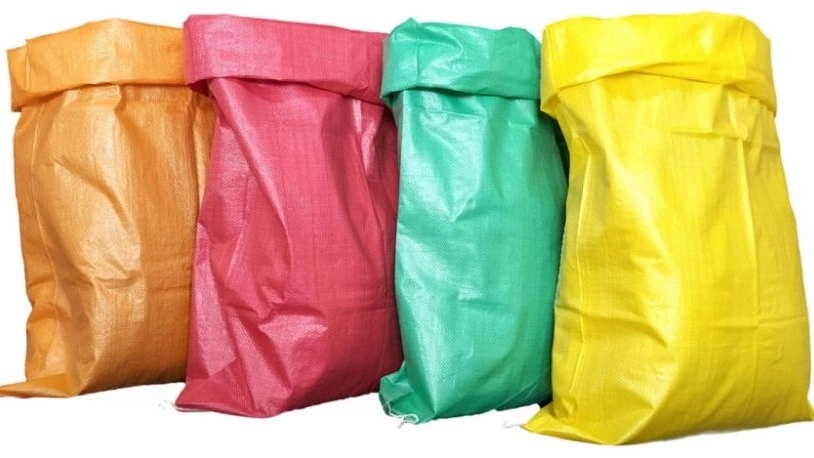
Polypropylene (PP) is one of the most common types of plastic that has high resistance to heat, impact and breakage. This type of plastic is used for packaging food products, household appliances, pharmaceutical industries and automotive industries. Polypropylene is also produced in transparent and colored types and with different dimensions.
3 | Waterproof sack (laminate)
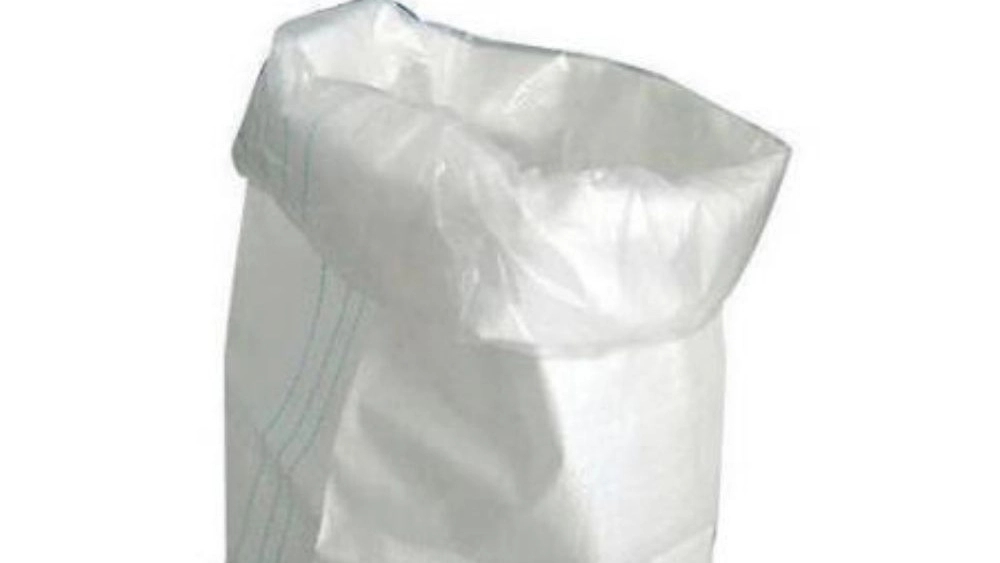
These types of sacks are laminated using special polymer materials and turned into waterproof plastic sacks. These sacks prevent the penetration of any moisture and water into their contents and are used for packing paper and sensitive items.
4 | Laminite plastic sack
Waterproof plastic (LDPE) or LDPE (Low-Density Polyethylene), is a type of low-density polyethylene that is suitable for packaging materials that encounter moisture. This type of plastic is used to package chemicals, pharmaceutical products, electronic products and food items such as vegetables and fresh fruits.
These types of sacks can also be produced in a waterproof form and are available in the market. They are made by laminating with polyethylene or polypropylene sacks and have the ability to print the desired color and design. Their price is slightly more expensive than other types.
5 | Zipper sack
This type of sacks are made with polyethylene or polypropylene fabrics and are a suitable replacement for plastic bags. They have a zipper and are used in cases where there is a need to frequently use bags and open and close them. These sacks help reduce the use of plastic bags and are useful for household use.
The use of plastic sacks
The uses of different types of plastic sacks are as follows:
Using all kinds of roll plastic sacks in the urban construction industry for paving roads and streets
Using all kinds of plastic sacks in the construction industry as construction sacks, packing and moving sand and construction materials
Using all kinds of plastic sacks in agricultural lands to move and pack agricultural products
The use of various types of roll plastic sacks as construction facade sacks to protect buildings against atmospheric factors
Using a waterproof and sunproof plastic sack to protect people from the sun in non-roofed places
The use of plastic sacks for packing dried fruits, legumes, agricultural seeds, spices and granular materials