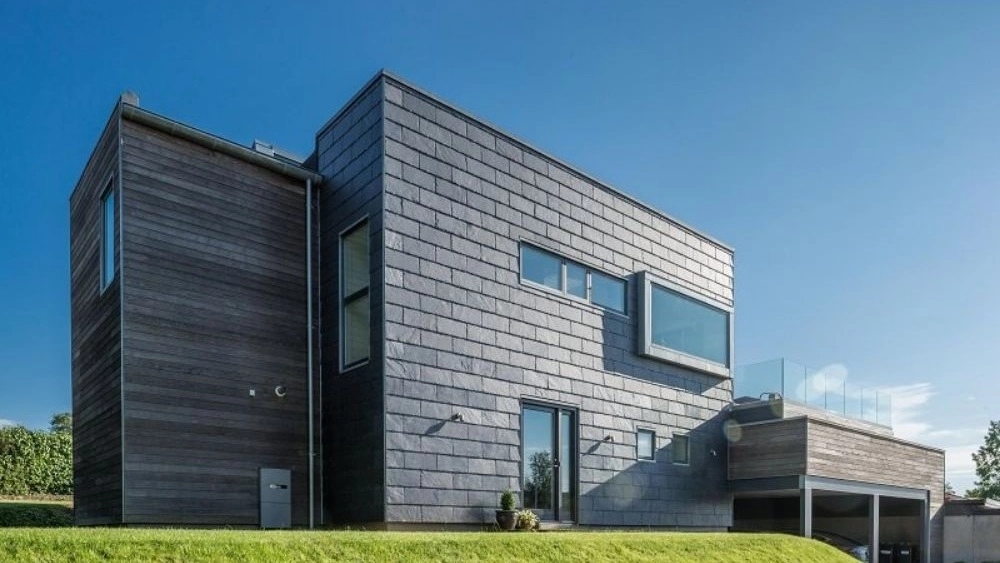
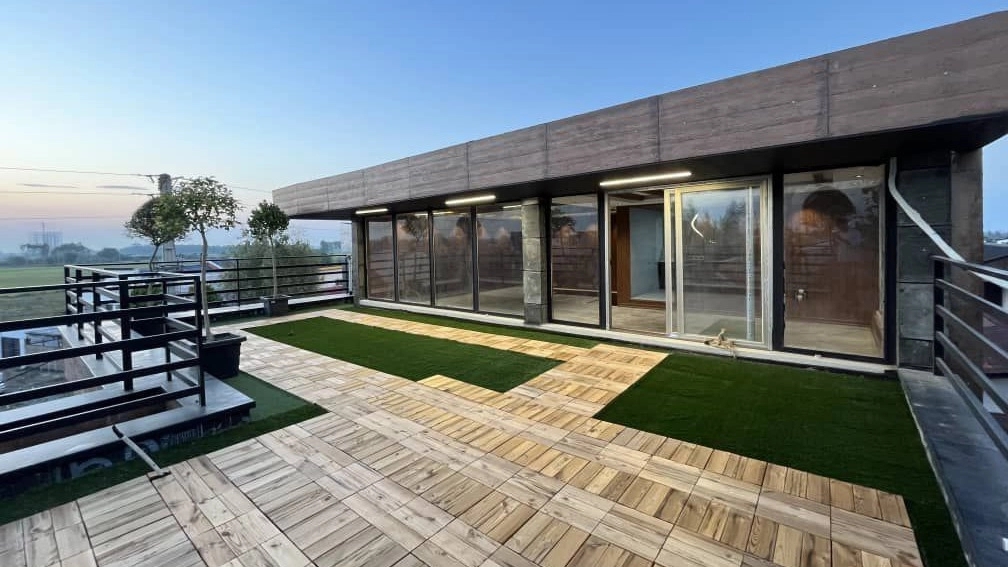
Exterior of the building
The exterior view of a structure or building is called facade. The facade is considered the most important part in the design of a building because it defines the overall framework of a structure. Everything you need to know about the exterior of a building is gathered here. A building is defined. This term is often used to refer to the main face or front of a house. Next to the roof, it is considered one of the most important elements of a building, because it acts as the main barrier against the elements in the outside air, which prevents damage to the health of the structure. Some of these elements are rain, snow, wind, frost, sun, etc.
For this reason, choosing a suitable facade system to protect against these risks and at the same time help achieve lower energy consumption, reduce maintenance costs and improve comfort for residents is very important.
Lightweight view
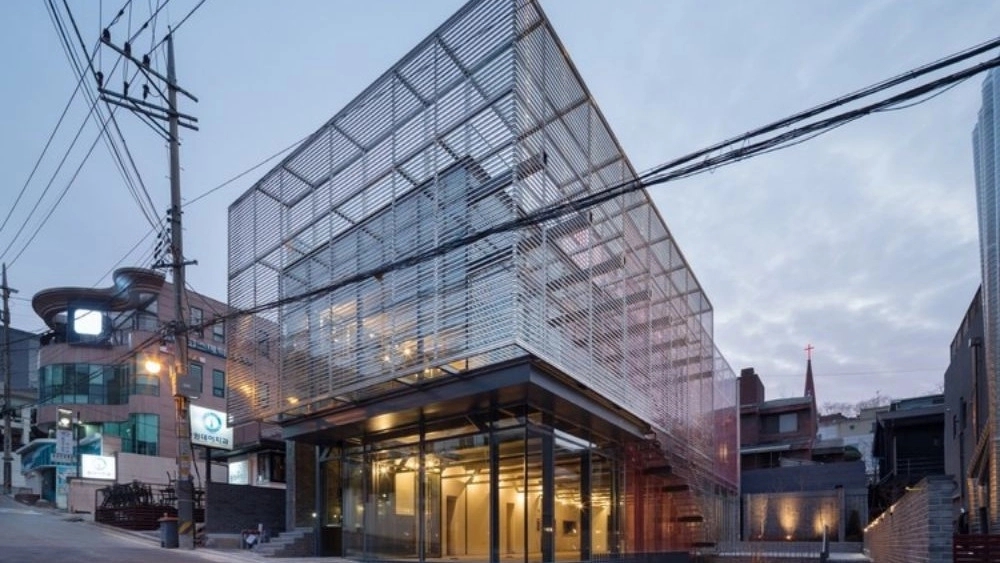
It is a type of facade that is linked to the resistant structure of a building, but it is not considered one of its main parts. Since the light facade does not contribute to the stability of the building, its design is required to support the loads that put pressure on its components. Materials commonly used for cladding include glass and metal. . There are two types of construction for lightweight facade: thin wall and panel facade.
With a thin wall, the facade goes continuously around the structural frame, while a panel facade interrupts the facade frame. Some of the special advantages of the light facade system are the ease of installation and the high exposure to the interior of the building. Compared to other types of exterior facades, lightweight facades provide less insulation and heat and have higher maintenance costs in the long term. This type of facade is mainly installed in medium and high-rise office buildings.
Heavy view
This type of facade tends to be made of building materials with significant weight. In order for a facade to be considered heavy, the average weight, including solid and hollow elements, must be above 100 kg per square meter. In this class, we find different types of facades, which may have load-bearing or It is self-supporting and may not have an air chamber.
Prefabricated
This type of facade mainly consists of prefabricated modules that are connected to each other or assembled on site. The components of these facades are produced industrially in highly mechanized devices, and often these panels are made of wood or concrete. The most important advantage of this type of facade is speed and ease of installation, as well as lower cost than other systems. Among its disadvantages, the design options are more limited and a minimum amount of work is required for its efficiency.
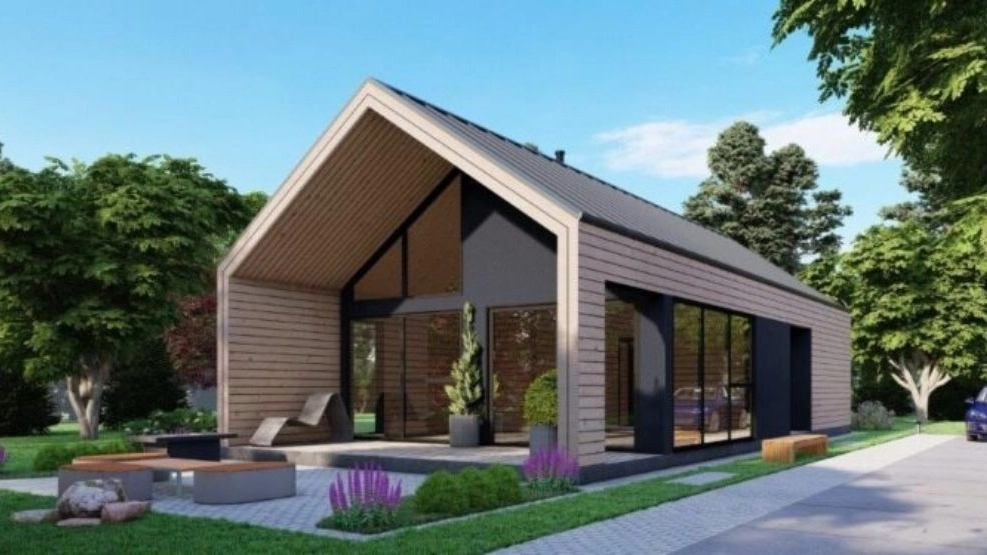
Traditional
This classification includes facades that use traditional building materials such as brick, stone, wood, ceramics, rendering, etc. The advantages of this category of facades are that their construction is more complicated, they are installed quickly, and they are less expensive. On the other hand, because classic facades do not have an air chamber or insulation, they provide less heat and sound insulation, which means not saving energy.
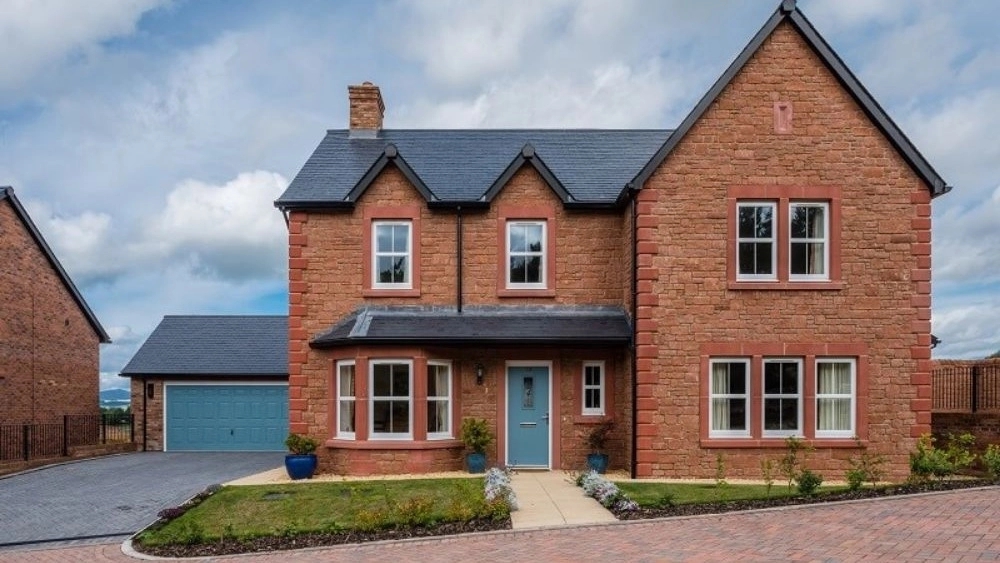
ETI systems
ETI (external thermal insulation) systems consist of installing sheets of insulating material around the building, protected by mortar and attached to the supporting wall. Finally, it is covered with a metal coating that suits the aesthetics of the building property. Common materials used in the insulation of an ETI system are: Polystyrene (EPS), Extruded Polystyrene (XPS), Graphite Expanded Polystyrene (EPS) -G) and mineral wool (MW). Since the ETI system has an insulating layer, it reduces thermal bridges and the risk of condensation. Therefore, it is an option that provides a good level of efficiency for its price, because there is no additional cost from a framework system.
Metal coating
Metal cladding or air-conditioned facade system is made of a load-bearing wall, an insulation layer and metal cladding material, which is fixed to the building using a back structure. The main difference between this and the ETI system is that that there is an air cavity between the load-bearing wall and the metal cladding material. Although this system is more expensive and more complicated to install, it is often a cost-effective option because the air gap is responsible for many of the benefits of rain metal cladding. Hot air rises and exits from the top of the facade. In the summer months, this phenomenon, namely natural convection, which means air renewal, prevents excessive heat. On the other hand, in winter, the air is not heated enough and remains inside the house. As a result, heat does not escape and this saves energy.