
jaw crusher
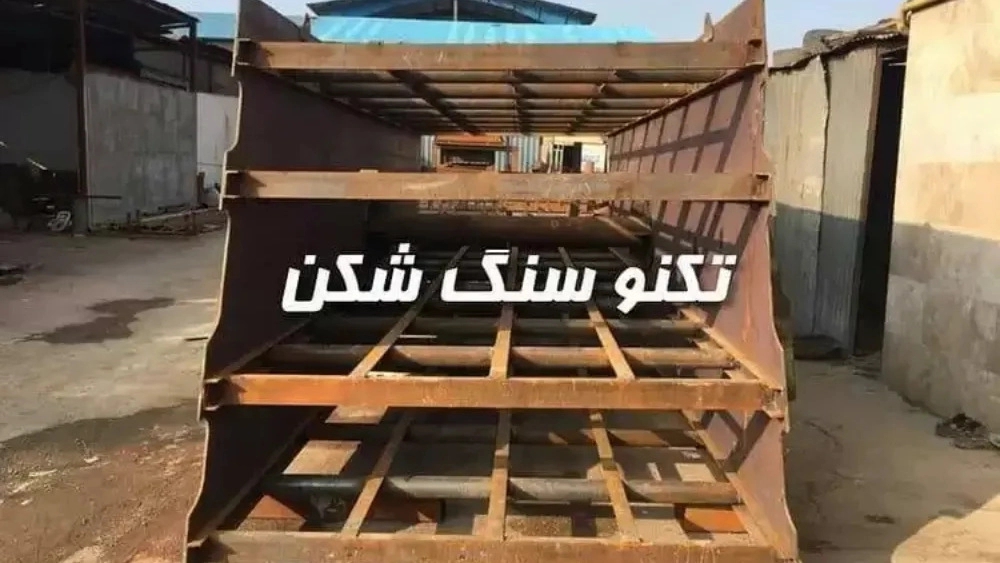
This crusher crushes coarse and large minerals (larger than 20 cm) which are beyond the capacity of other crushers and delivers them to crushing devices such as impact crushers for further crushing. This type of stone crusher has a simple structure and for this reason it is used in primary mineral crushing factories and secondary stone crushers are used to further reduce the size of stones. Stones that are hard and abrasive, such as iron ore, quartzite and clinker, are easily crushed by this stone crusher. Jaw crusher has two jaws, one fixed and the other movable, and the stones are crushed by being placed between these two jaws. b> There are several types of jaw crushers:
- Single toggle jaw crusher
- Double toggle jaw crusher
impact crusher
This crusher is used to crush minerals smaller than 200 mm or sometimes up to 400 mm (depending on the size of the crusher) and the hammer and anvil system is used to crush the materials, so that the hammer The anvils are movable and the anvils are fixed. This stone crusher has many uses in terms of structure. The way it works is that the stones fall from the entrance opening onto the hammers that are rotating and after several hits and a little crushing, they are returned to the crushing chamber and from there they fall again on the hammers and this operation It is repeated so much that the stones are sufficiently crushed and come out of the outlet. This type of stone crusher is suitable for hard, brittle and semi-hard stones, but it does not perform well against soft and wet stones.
conical crusher
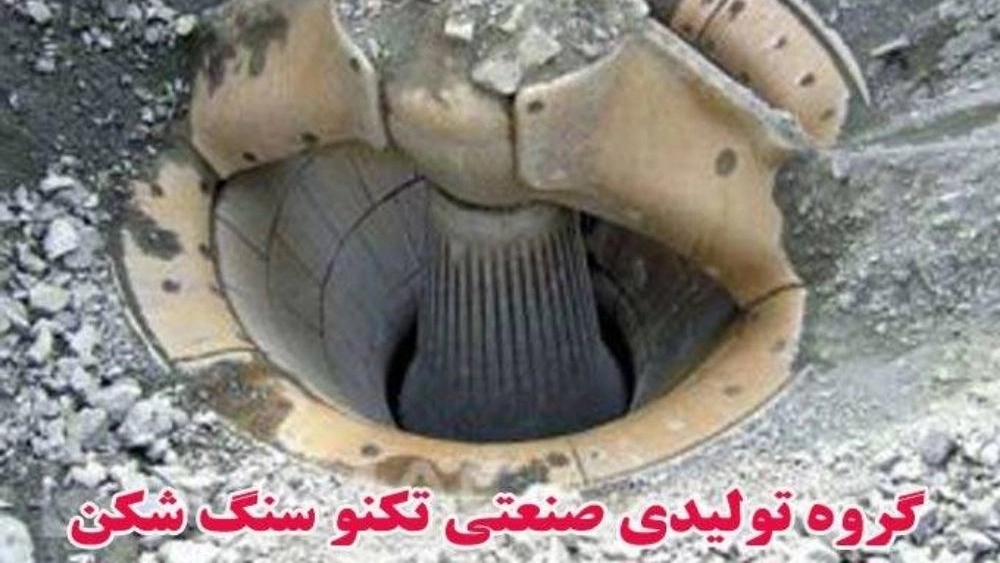
These devices are used for both primary and secondary crushing, because these devices are used in both large and small sizes. Cone crushers are available in many sizes and on They are produced and used based on the entrance opening. In this type of stone crushers, instead of hammers and anvils, mantles and cones are used.
Roller Crusher
These devices are used to convert gravel into sand. In this type of stone crusher, we have two rotating rollers that crush the stones by applying pressure. The distance between the two rollers can be easily adjusted, and depending on the distance between the two rollers, the size of the crushed material is different. The surface of these rollers can also be smooth, raised or toothed (longitudinal or transverse toothed) as needed.