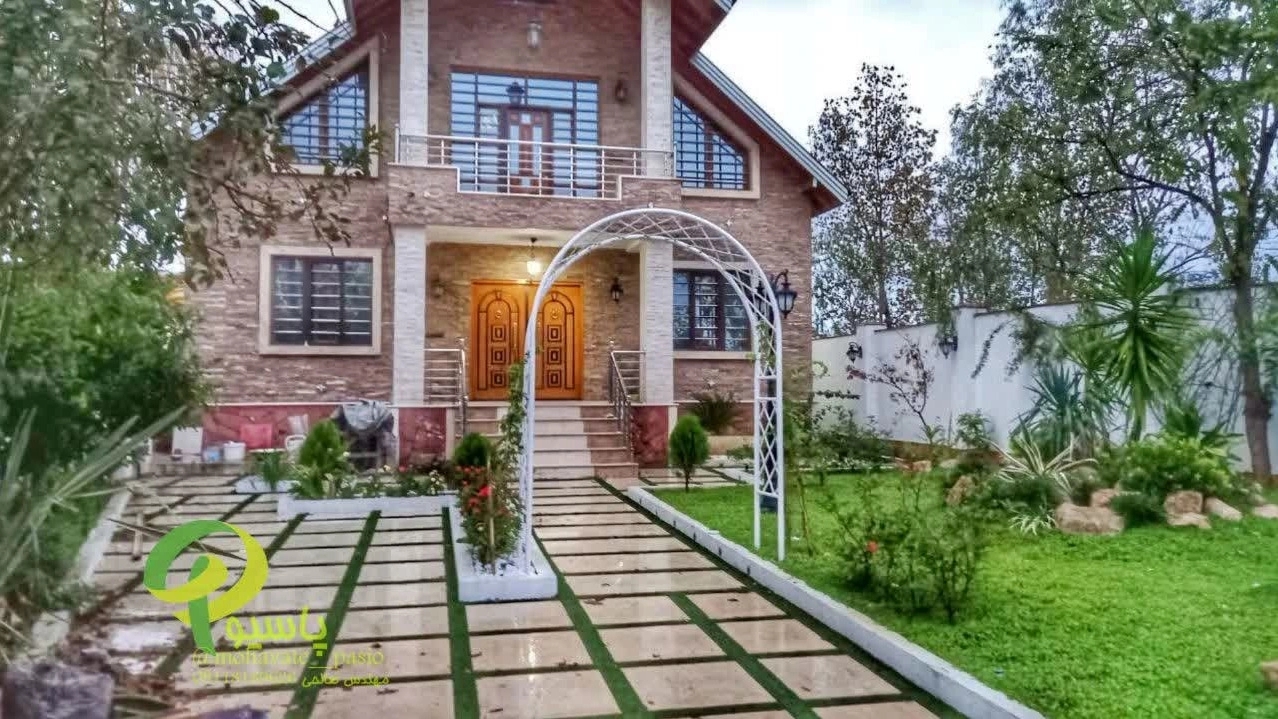
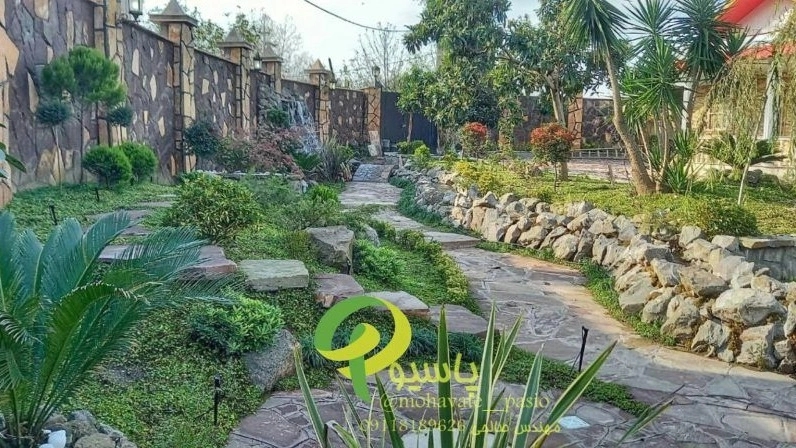

Landscaping
When it comes to landscaping, there are many options. Some people want a perfectly balanced mix of hardscape (like a patio) and softscape (like plants). Some people want to have a sustainable landscaping that conserves water and creates a natural landscape. While other people want to recreate a particular style of garden and garden such as modern or tropical. Some want a space complete with an outdoor kitchen, fire pit, and pool where they can entertain friends and family.
Where did landscaping start?
After answering the question of what landscaping is, it is not bad to have a brief look at the history of this category. First of all, landscaping has been of interest to humans for thousands of years. The Hanging Gardens of Babylon is one of the most prominent examples of landscaping in ancient times. German artists in the 16th century used the term "landscape" to describe landscape painting.
The modern term "landscape" in English is borrowed from the Germans and refers to a visual image of open spaces; Therefore, landscaping means visualizing a space and then operationalizing that space. Landscaping puts botanical elements such as trees, lawns and shrubs and other flowering plants together with the construction of landscapes such as walkways, furniture, water features, fountains and fences in the space in an ideal arrangement.
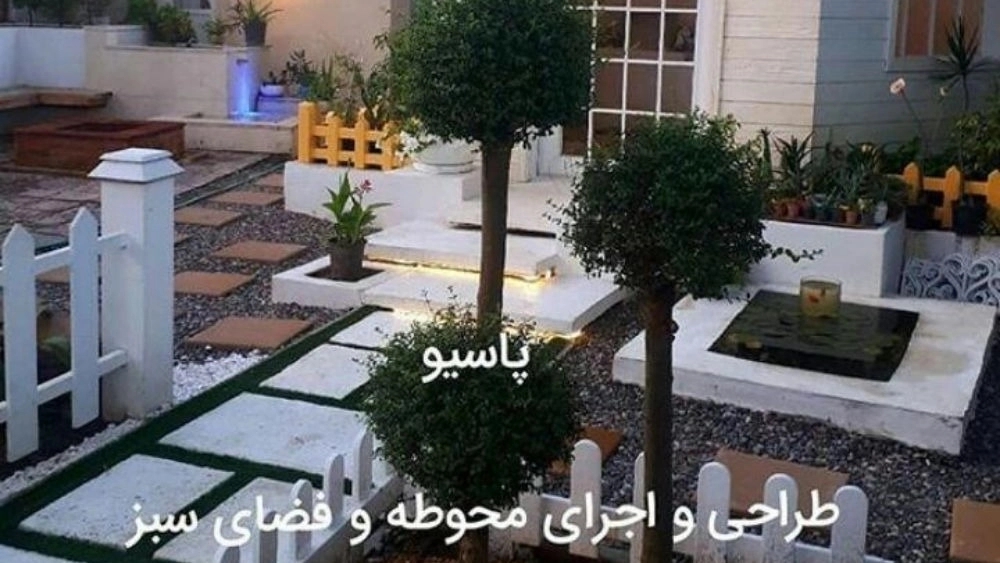
What are the principles of landscaping?
Landscaping, in order to provide a good output, is required to follow a set of predetermined principles, some of which are explained below.
✔️ Continuity and coherence
Continuity in landscaping means repeating and establishing stability among them. Repetition is used to instill coherence and continuity in your design through the repetition of different elements. Consistency is used to create coherence and continuity by matching different elements of a landscape with each other in order to create a common theme.
✔️ Equilibrium
Equilibrium simply means a sense of equality, similarity and equivalence. The two types of balance in design are symmetrical balance and asymmetrical balance. In symmetrical balance, the two sides of the landscape are similar, while in asymmetrical balance, the composition of the landscape is balanced by using different and different elements.
✔️ Contrast and harmony
Contrast helps to highlight a particular element in the design. While harmony helps the elements in a landscape look cohesive. Contrasting elements attract the viewer's attention when placed next to each other. Contrast and harmony are obtained by juxtaposing or juxtaposing any element of art or using complementary colors next to each other.

✔️ Color and coloring
Color and coloring will induce a sense of aliveness to your design. Previously, in the psychology of color article, the issue of the effect of color on the human soul was discussed in detail. Warm colors are more prominent and appear to be moving toward you, while cool colors like blue and green appear to be moving away from you. Blue and green colors are widely used in creating landscapes.
✔️ Transition
In other words, transition means gradual change. Transition in landscape design is shown by gradually changing the size of plants or the intensity of color. Transition can also be depicted in the textures, size and shape of different elements.
✔️ Rhythm and line
In terms of architectural design, line is considered as a parent element of all other elements in architecture and landscape design. Lines are used to create all design elements, including textures and perspectives. Lines are also used to give depth and distance.
✔️ Ratio
Ratio refers to the size of one element relative to another element. Among these 8 principles of landscape architecture, this principle is the most obvious, but nevertheless, its correct and optimal use requires some planning and thinking. By properly using this principle, it is possible to ensure the appropriateness of the elements used in landscape design and architecture.
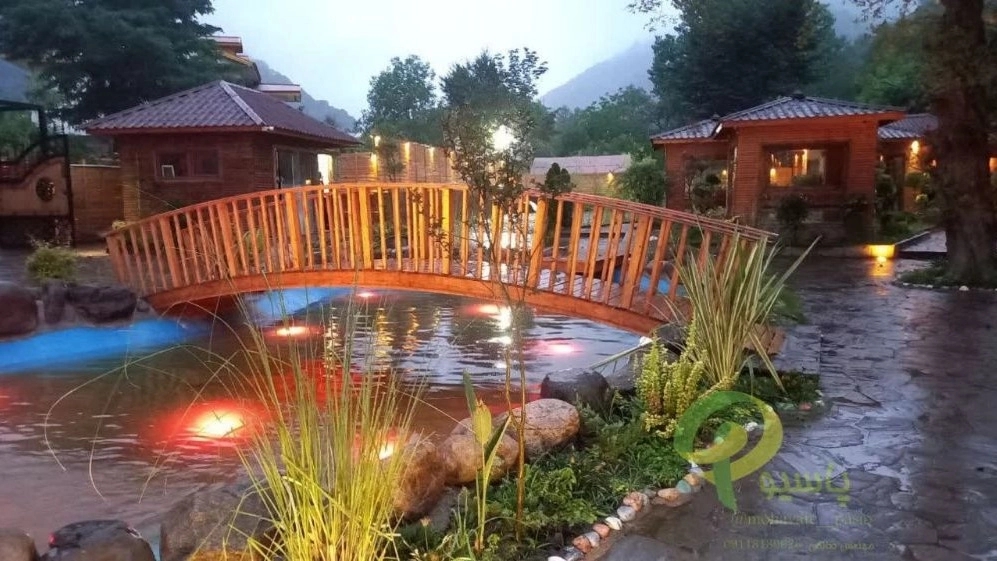
✔️ Balance
Repetition has a direct relationship with cohesion and continuity. Having different and diverse elements in a design is very good, by repeating similar elements, you can give different faces to the design. Using many elements that have nothing to do with each other can make your design in landscape architecture look unplanned and sloppy. In addition, using too much of one element can make your design feel boring, ordinary and monotonous.
◾️◾️◾️◾️◾️◾️◾️◾️◾️◾️◾️◾️◾️◾️◾️◾️◾️
Landscaping design and implementation of the green space of Masoud Nejad Salehi's patio in Gilan
Landscaping design and implementation of the green space in Gilan
👤 Mr. Masoud Nejad