

What is a diesel generator?
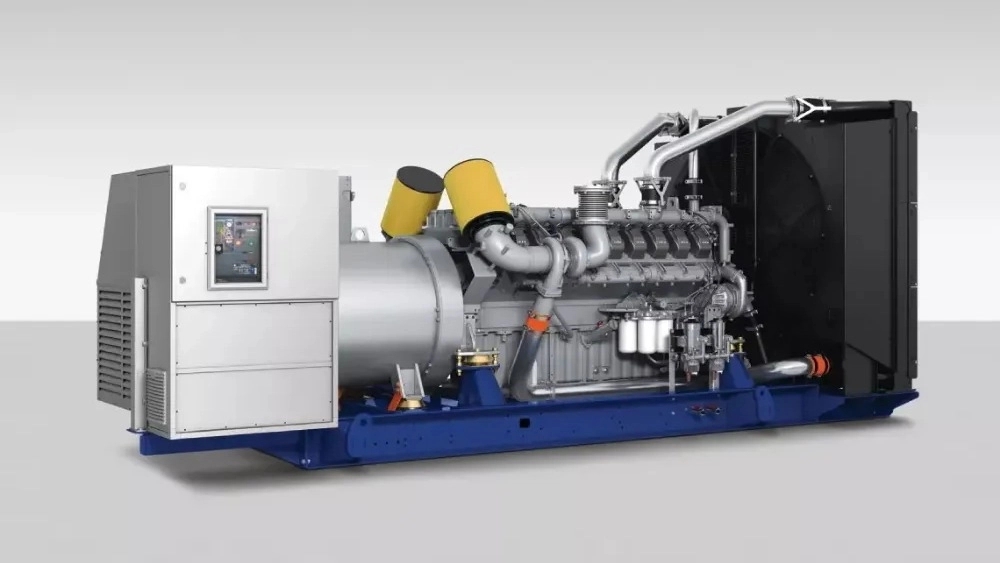
We got acquainted with the general operation of electric motors. In this article, we are going to learn more about the diesel generator, which is a type of electric motor. A diesel generator is a device that has a diesel engine and a generator. The operation process of these two together converts diesel fuel energy into electrical energy. As a result, the device replaces the grid power as backup power, and all the devices that need electricity can use the power produced by the device, even if there is no mains power. Most of the diesel generator devices with diesel fuel have an emergency function in the event of a power failure. Electricity is a reliable source of complementary energy supply, and their use is to supply the required electricity during power outages caused by events such as storms, floods, or peak hours. Also, ships and many large land vehicles such as trains also use diesel generators not only to provide electricity for lighting but also to provide the driving force they need.
What are the use of diesel generator?
Generally, electric motors are used in two modes:
Emergency Mode
In some places such as banks, airports, medical centers, commercial buildings, etc., where the presence of constant electricity is important and its interruption causes damage. Diesel generators can be used to supply emergency electricity to these centers and organizations.
The main source of electricity
What is the use of diesel generators?
Diesel generators are one of the widely used devices in industries as well as office and residential buildings to supply electricity in emergency situations. These devices, which today are produced with very advanced technologies such as high voltage generators, have very diverse applications. Since diesel engines can easily provide electricity for a certain period of time in proportion to their capacity, they are mostly used to compensate for power outages in residential and office units and places where power outages cause a lot of losses. they take Diesel generators or diesel engines are used in various industries in their various types. Some of the uses of this device are:
supply of electricity for buildings and units
The first and most important use of diesel generators and diesel electric motors is to supply electricity to various buildings and units in offices, organizations or companies, where power outages can cause a lot of losses.
Home Application
In home applications, the generator usually supplies electricity to residential units for a certain period of time according to its capacity when the power goes out.
Hospitals
Hospitals are among the buildings for which emergency power supply is essential. All public and private hospitals are equipped with one or more power generators so that they can supply the required electricity and provide services to patients in case of emergencies and unexpected events such as floods or earthquakes.
Office and Industrial Units
In administrative and industrial units, diesel generators are usually used to supply electricity to important devices and equipment, including the following:
Information technology: Very critical devices are installed in information technology units, whose power outages cause irreparable damage to internet users. One of the most important devices that need continuous power supply are servers, which are usually connected to a power generator so that they do not fail in the event of a power outage.
Food industry: Keeping food healthy is one of the most important needs of units working in the food industry. For this reason, supplying electricity to refrigerators and freezers that store perishable food with diesel generators is very important.
Agriculture: Electricity supply of many devices and equipment including tractors, irrigation pumps and threshing machines in agriculture is done by diesel engines.
The benefits of diesel generators
Modern diesel engines have overcome the disadvantages of older models, which include more noise and higher battery maintenance costs. Most are quiet and require less maintenance than similarly sized gas engines.
The main advantages of diesel generators are:
Relatively low maintenance: Because a generator engine requires fewer parts to run, you won't have to worry about changing spark plugs or rebuilding carburetors like you do with gas engines.
Durability: Diesel engines are very tough in the working environment and have high resistance to wear and damage in different environmental conditions.
Safe fuel storage: While diesel is flammable, it has a much lower ignition risk than other types of fuel such as gasoline.
Output power: Diesel generators are able to withstand more power and work longer than other types of generators.
Easy access to fuel: Portable diesel generators are often carried in the back of diesel vehicles. This means you don't need two different types of fuel when you're out and about.
How is diesel generator performance?
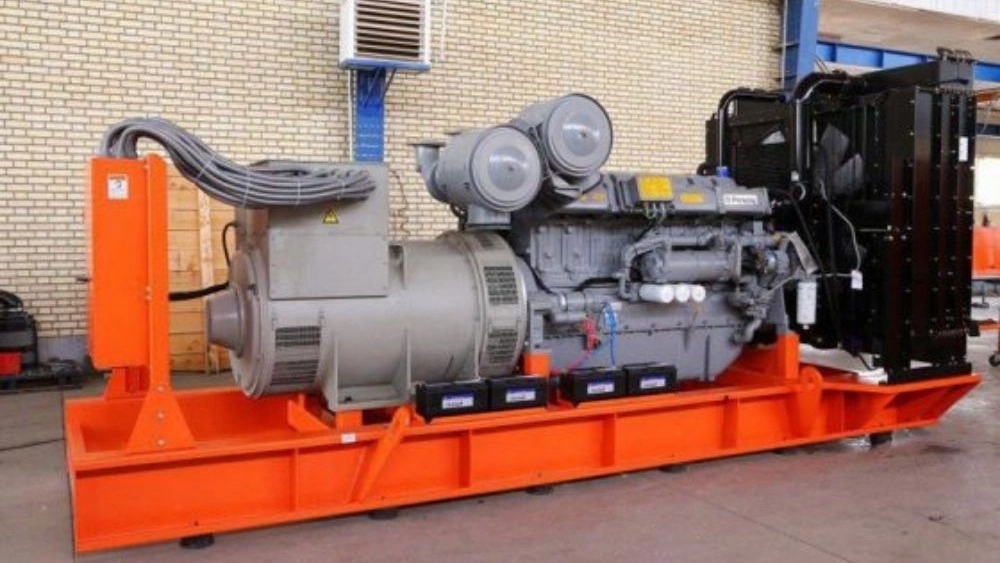
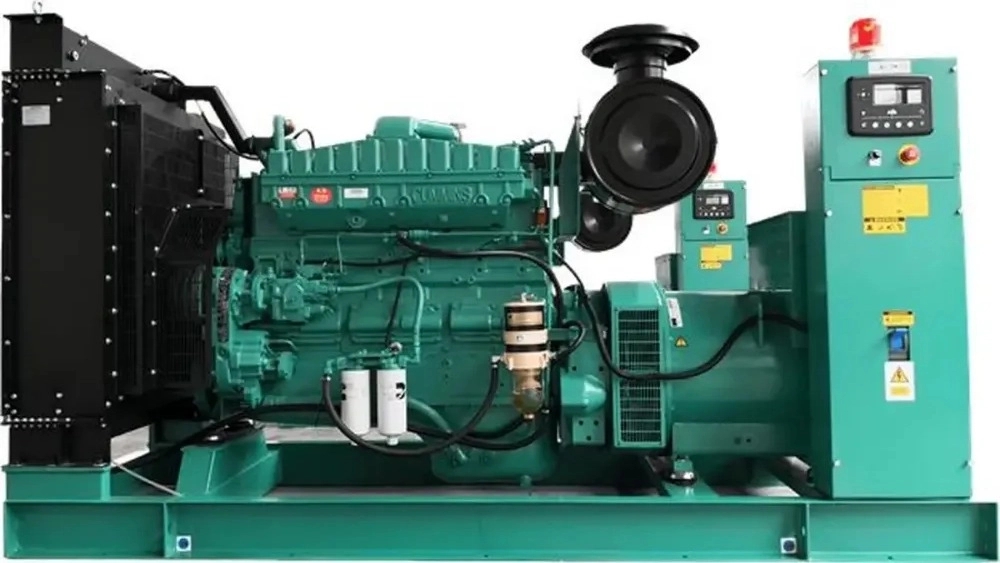
This device generally has two main parts:
Diesel engine
generator (alternator)
In fact, the generator converts the rotational movement created by the engine into electricity. The main fuel source for emergency generators is diesel. Diesel burns at a much higher temperature than other fuel sources, and this issue has made it a more efficient and powerful fuel.
Diesel converts diesel fuel into mechanical energy, and this is the energy that causes the rotor of the generator to rotate, and the mechanical energy is then converted into electricity. In addition to the rotor, the generator has a stator and a magnetic field between the two. The magnetic field causes the rotor to rotate to create a voltage in the stator through electromagnetic induction. After connecting to the load, the stator voltage flows as an electric current and allows the generator to generate electricity, and the generated electricity can be used through the short circuit protection switch installed on the diesel generator.