What is a power engine?
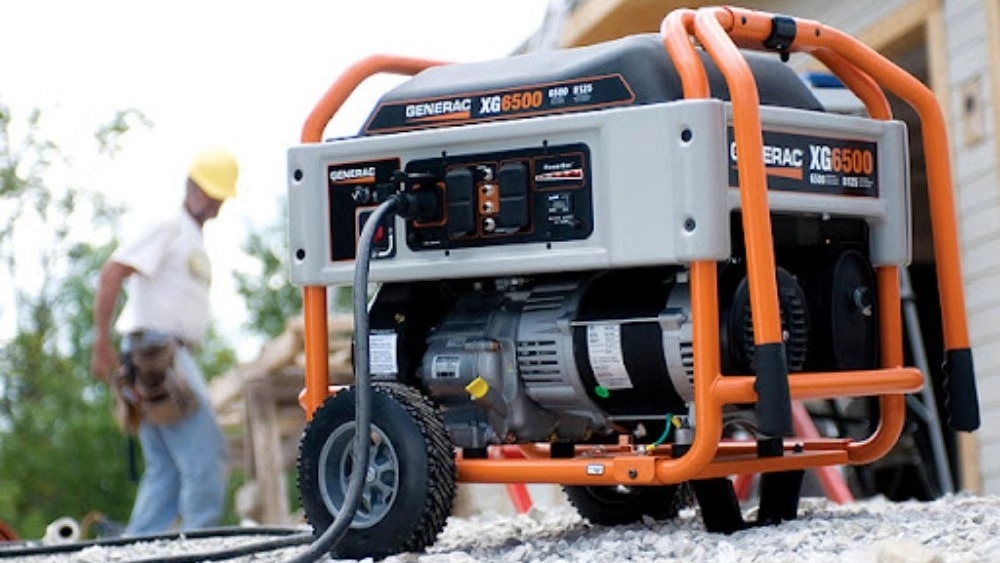
In a simple and general definition, an electric motor in English, Engine Generator, which is also called an electric generator and sometimes an electric generator, is a relatively large device with a powerful engine that produces electrical energy. This tool, with the help of a fuel or other source, first drives the mechanical engine and then converts that mechanical energy into electrical energy with the help of an internal converter. The generated electrical energy is finally available to the user through the outlets and outlets of the device. The engine and mechanical engine of an electricity generator may work with fossil fuel or even with a turbine and energy source of wind, water, etc. Generator models for producing electricity from water and wind sources are used in old mills or windmills. But today's electric motor in the market are devices whose engine works with gasoline, gas or diesel fuel. The output power level is the main technical characteristic in this group of tools, which is listed with the "watt" or "horsepower" unit. An electric motor device may produce electricity as low as 800 watts to as powerful as 20 kilowatts. In addition, the power generator may be manual, starter or automatic and have a power output of 220 watts AC or alternating and a power output of 12 volts direct or DC.
What is the use of a power engine?
The use of electric motor has a very wide range! In any place and any job and operation where there is no access to city electricity, or an emergency situation occurs, or the power supply system is not available and nearby, a type of electric motor may be seen. In fact, according to the structure, model of the device, maximum output power, light and heavy weight, energy consumption and technical facilities, an electric generator model may exist in a public place, workshop, factory, outdoor activities, and... be Which electric motor model can be seen in which of these places and activities? It is directly related to the type of use and the type of user needs.
Backup power generator in places such as hospitals, emergency situations and operating rooms, schools, public centers, stores and hypermarkets, food storage warehouses (especially cold and refrigerated items), cold storage and...
Emergency use for surgeries, support for security centers and information server power outages
Special safety and relief conditions for supplying electricity to rescue and rescue operation group devices, fire department, etc.
Supplying electricity after natural and unnatural events such as earthquakes, floods, etc., in the event of a city power cut
Electricity generation for places far from the urban grid, such as forest and mountain houses, villas, temporary outdoor houses, gazebos, tents, etc.
Power generation for audiovisual equipment and lighting in moving or temporary outdoor activities such as funeral processions, campaigns, demonstrations, camping, gatherings, entertainment venues, meetings, outdoor concerts, caravans and RVs.
Electricity supplier in one or more residential houses, residential and apartment complexes, commercial units, arcades, etc.
As a support for electricity and batteries in vehicles and movement such as airplanes, trains, ships and...
Types of electric motors
Based on energy consumption
Based on the launch system
Based on application
Types of electric motors in terms of energy consumed
A gasoline engine
The first, most common and best-selling type of electric motor is the gasoline model in English, Gasoline Generator, which is also sometimes called Petrol Generator. This type makes up a large share of electricity generators in the Iranian market, and it is obvious that it uses gasoline fuel for its engine. The first generation of classic and traditional electric motors that are powerful and are made with output from below 1 kW to 20 kW. This group has a long useful life, can have long working hours and how to use them is very simple. But gasoline electric motors are very noisy, their fuel has a higher risk of ignition, they produce a lot of environmental pollution and smoke, and they are not suitable for indoor use.
Gas gasoline engine
Diesel generator is the second most popular group of these devices in the market. Although this model has similarities with the gasoline type, it is superior in some cases. A diesel generator runs on cheaper fuel than gasoline, diesel, has a longer useful life, and consumes less fossil fuel. Most importantly, its fuel is safer than gasoline, and maintenance of the device and diesel is less dangerous. But on the other hand, the cost and service of a diesel electric engine is more expensive than a gasoline one, their weight is also more and it is difficult to carry a diesel generator most of the time.
Gas electric motor
Gas generator in English is called a model whose fuel energy is a gas. Unlike the previous two groups, these models are not widely used in the industry because they have limited output power and working hours. The fuel energy of the gas electricity generator is supplied by a natural gas capsule or propane and hydrogen gas. Due to the cleaner fuel source, this group of tools has far less environmental pollution than gasoline and diesel; Their fuel storage is easier and more durable due to the possibility of making various containers; The cold weather does not have a negative effect on their starting system and does not cause initial startup problems. On the other hand, since gas electric engine fuel tanks are under pressure, there is a risk of explosion for them; The electric gas engine is more expensive than the gasoline and diesel type, and their fuel consumption is almost 3 times higher than the previous 2 groups.
Dual fuel engine
Dual-fuel electric generators usually work with a fossil fuel diesel and oil called Biodiesel or diesel fuel + water-based liquid called Emulsified Diesel. These electric motors consume much less fuel than the previous models and have less environmental pollution. Although the output power and efficiency of the generator is less in this group; But due to environmental preservation and less smoke and pollution, they are recommended for some special and smaller works standardized according to biological criteria.
Solar power engine
The newest generation of electric engine that gets its engine energy from sunlight! Although this type of generator is not very suitable for industrial and heavy use, it has become one of the best options to get rid of fossil fuel consumption to produce electricity without pollution, without fluctuation in domestic use and closed space. A solar generator in English with an output power of only 2000 watts can easily supply the electricity of a house. These devices capture sunlight energy by solar panels, store it in a battery set, and then convert it into electricity. AC is suitable for home conversion. In the solar electric motor, there is automatically an inverter circuit, which provides the output of the generator for installing sensitive digital and electronic devices such as computers, televisions, etc.
The constituent components and the structure of the electric motor
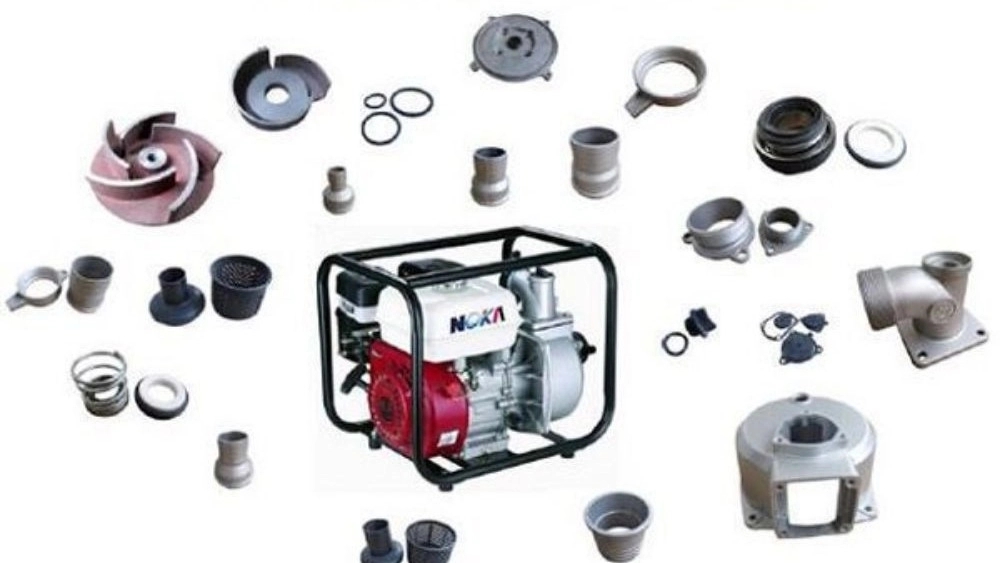
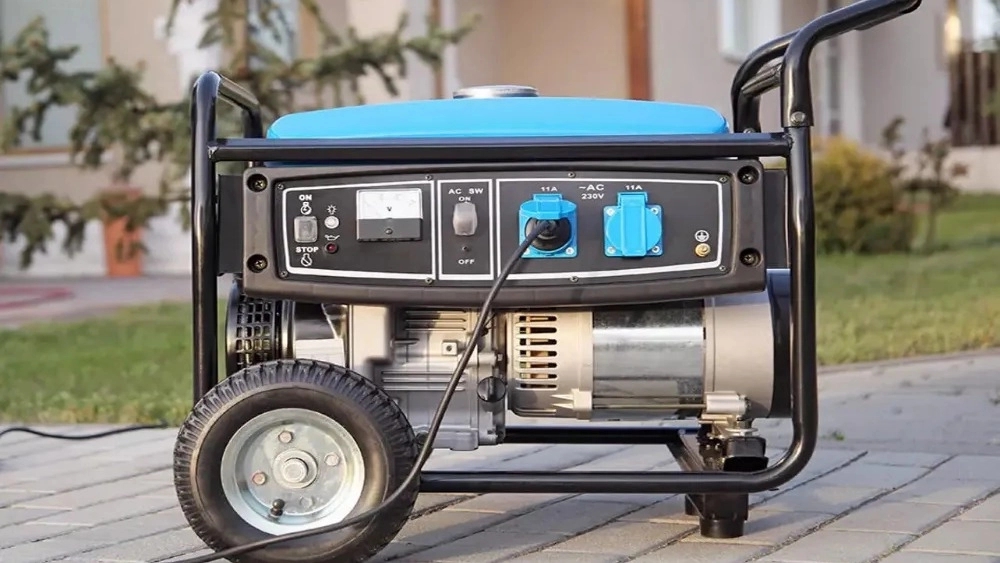
Each power generator model may have different main and secondary parts. Of course, some of these components are also common, but since the ordinary gasoline and portable electric motor is the most used among users. engine Gasoline and fuel tank Sasat lever oil tank Cooling system Manual, electric or automatic starting system Internal converter 220 volt AC or alternating current outlets 12 volt direct or DC power outlet Panel and warning lights and indicators Voltmeter, ammeter or multimeter Exhaust and smoke output air filter body skeleton Carrying wheel