
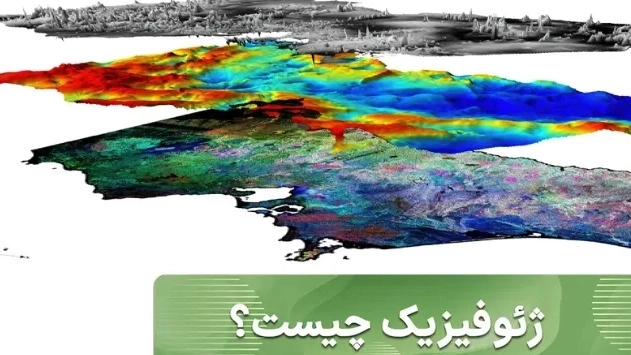

Geoelectric Method (Special Resistance Method)
Using the best and most advanced geophysical facilities and at reasonable cost by geophysics, underground water, geology experts; Geophysical studies and measurements provide comprehensive and complete information about the underground water table. Among the information obtained about underground water sources include:
- اکتشاف آبهای زیرزمینی (آب یابی) و تعین سطح ایستابی سفره ها و رگه هار ترین نقطه برای حفاری و بهره برداری چاه آب با بیشترین میزان آبدهی
- کا mix آنها)
- تعین محل جابجایی چاه و تعین میزان کف شکنی
- حداکثر عمق حفاری
Geophysical Discovery of Groundwater (Drinking)
Today, with the advancement of science and the equipping of the country's industry with new and accurate methods, the waste of time and money has been minimized. The agriculture and irrigation industry has also made good progress in various fields. One of the technologies of this industry is the new geophysical methods and devices for underground water exploration. Due to the drop of water level in the plains or the drying up of agricultural water wells, the use of modern geoelectrical techniques and underground water scanning with electromagnetic methods can be done at a low cost compared to other methods to find the best drilling site. Geophysical devices are used in studies before drilling wells for drinking water and agriculture in order to determine the location of drilling water wells with the highest amount of water.
Underground geophysical exploration study
Using the geophysical studies of underground water that are carried out on the surface of the earth with a relatively low and quick cost, useful information about underground water resources can be obtained in general. In geophysical surveys, the type of rocks, porosity, permeability, and other characteristics cannot be directly obtained by geoelectrical method. Rather, by measuring some of the physical properties of rocks, it is possible to determine the places where there is a higher possibility of favorable aquifers and provide valuable information about the type and thickness of the underground layers and the bedrock of the underground water table before drilling the well. and definitely has a very effective and useful role in preventing waste and minimizing drilling costs. For more accurate information, the results of geophysical surveys should be combined with the results of exploratory wells. With geophysical surveys, more suitable places for drilling wells can be determined. There are various geophysical methods, but the most common method used in the study of water Underground is a special resistance method.