
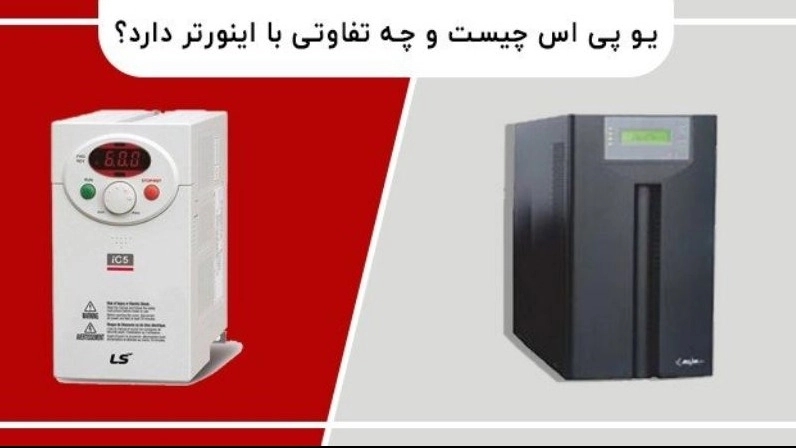


What is the difference between UPS and inverter?
UPS and inverter are both devices that are used to provide electricity in different conditions, but they have different functions and applications. Choosing between a UPS and an inverter depends on your specific needs. If you are looking to protect sensitive equipment from power outages and fluctuations, UPS is more suitable. But if you are looking to convert DC power to AC to power AC devices, an inverter is a better option.
UPS
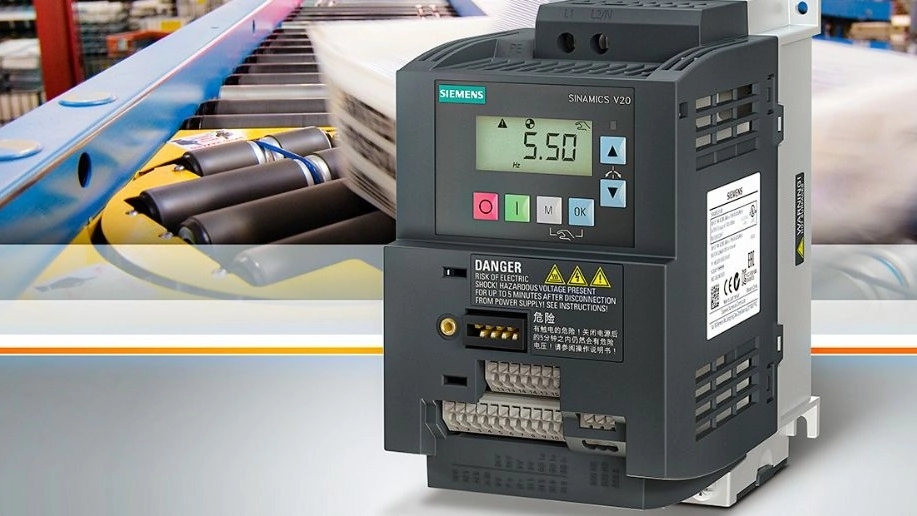
Inverter
Difference of UPS and Inverter in the face of voltage fluctuations
The difference between UPS and inverter in facing voltage fluctuations is as follows:
UPS
Full surge protection: The UPS is designed as an uninterruptible power supply. This device protects your equipment not only in the event of a power cut, but also against voltage fluctuations, voltage surges and voltage drops.
Function: UPS provides the power needed by connected devices using an internal battery, and in case of any disturbance in the input power, it is quickly switched to battery mode; Also, the UPS has circuitry that filters electrical noise and harmonics and provides a clean and stable power output.
inverter
Limited Protection: The inverter does not directly deal with input voltage fluctuations. The main function of the inverter is to convert direct electricity to alternating electricity.
Sensitivity to fluctuations: If the input voltage of the inverter is too high or too low, it may damage its internal circuit or cause it to malfunction.
Need for additional protection: To protect the inverter from voltage fluctuations, a solar charger with voltage regulation capability or a voltage regulator is usually used.
Difference of UPS and Inverter when converting electricity
The difference between inverter and UPS are involved in the process of converting electricity, but they do it with different goals and methods.
UPS
The main goal: providing uninterrupted power and protecting devices against power outages and voltage fluctuations.
UPS conversion process
Normal mode: Delivers mains power directly to devices while filtering it and reducing noise.
Battery mode: in case of power failure or severe fluctuations, it quickly switches to the battery and converts the power stored in the battery to AC power and delivers it to the devices.
Conversion type: It is usually online type and is always between the power supply and the load.
Output power quality: usually provides a pure sine wave or very close to it to ensure proper operation of sensitive devices.
inverter
The main goal: converting direct electricity to alternating electricity
Conversion process
It converts DC power generated by batteries, solar panels, or other DC sources into AC power at a specified frequency and voltage.
Conversion type: It can produce different types of output wave including square wave, modified sine wave and pure sine wave.
Output power quality: It depends on the type of inverter. Pure sine wave inverters have a better output power quality than other types.
The difference between UPS and inverter in input power
These two devices have fundamental differences in how they manage input power.
UPS
More limited input power range: UPS usually needs a specific and stable input voltage to function properly. The voltage range that a UPS can handle is usually more limited and is typically designed in the 220-240V AC range.
Sensitivity to fluctuations: UPS is very sensitive to voltage fluctuations. If the input voltage significantly deviates from the permissible range, it may damage the internal circuits of the UPS or cause it to malfunction.
Voltage Stabilization: The UPS has circuitry that stabilizes the input voltage and filters electrical noise to provide a clean and stable power output.
inverter
Wider input power range: Inverters are usually more tolerant of input voltage fluctuations. Many inverters can operate with very variable input voltages, including lower than normal voltages.
Voltage adjustment capability: Some inverters have input voltage adjustment capability that allows them to continue working in different voltage conditions.
Voltage conversion: Inverters convert direct current into alternating current. Therefore, their input voltage is usually DC and their output voltage is adjustable.