What is the use of bearing?
Bearing applications are widespread in almost every industry that uses moving parts and equipment. For example:
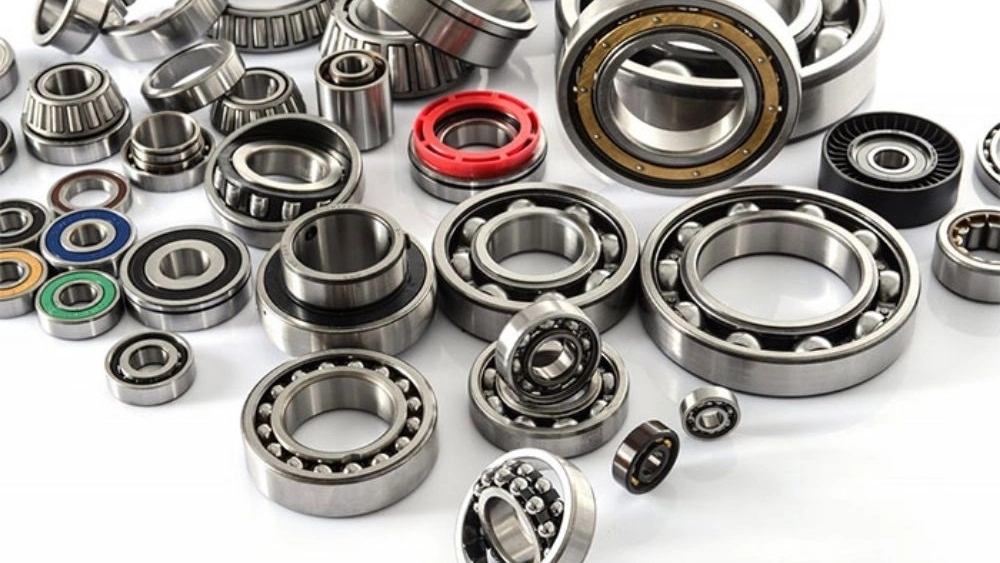
Bearings and roller bearings are used in all kinds of machines, from boiler feed pumps to car gearboxes.
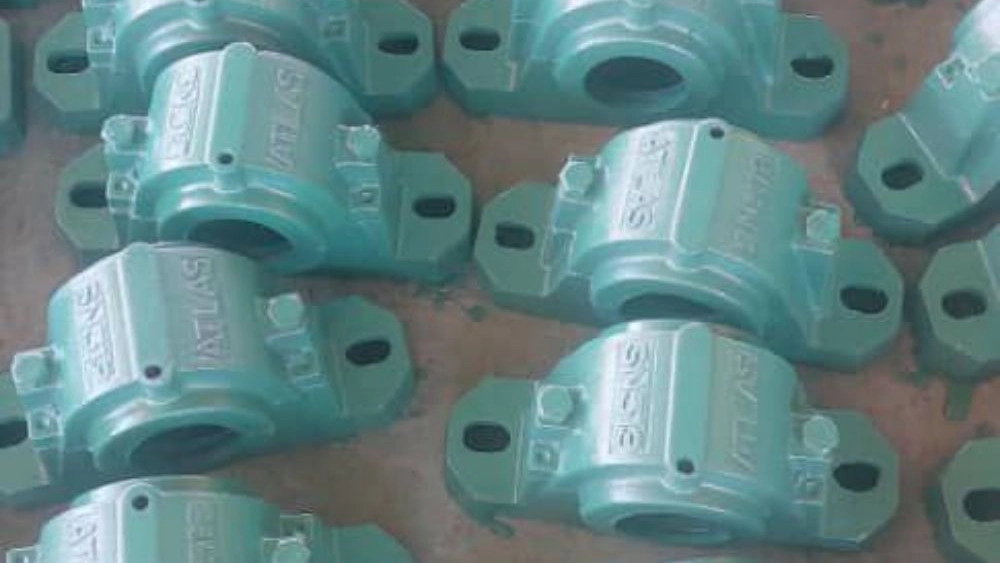
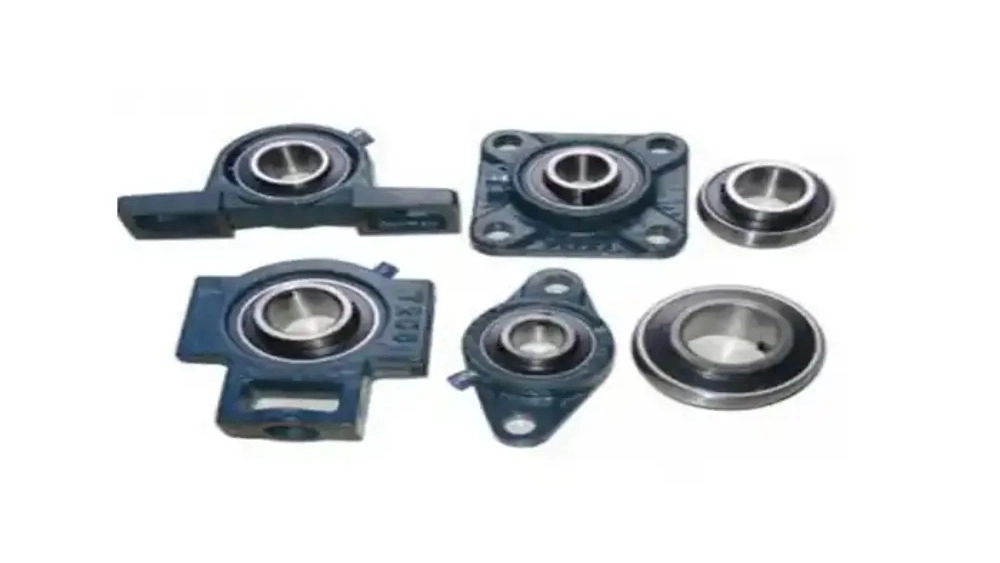
Specially mounted bearings are common in conveyors, in shaft joints and especially where long shaft lengths must be supported by housing units where the bearing is not protected by another housing such as a transfer case.
Linear bearings are used exclusively in linear applications such as slide tables.
Slide bearings are primarily used for load-bearing applications in large civil engineering projects such as bridges where they accommodate a range of motion – as opposed to other bearings – where radial or linear motion is the primary concern.
Frictionless bearings are any of the other special designs that include air bearings, magnetic bearings, etc.
While bearings are used almost everywhere, there are some industries that use large numbers or have special requirements for durability, cleanliness, etc. that are worth mentioning here
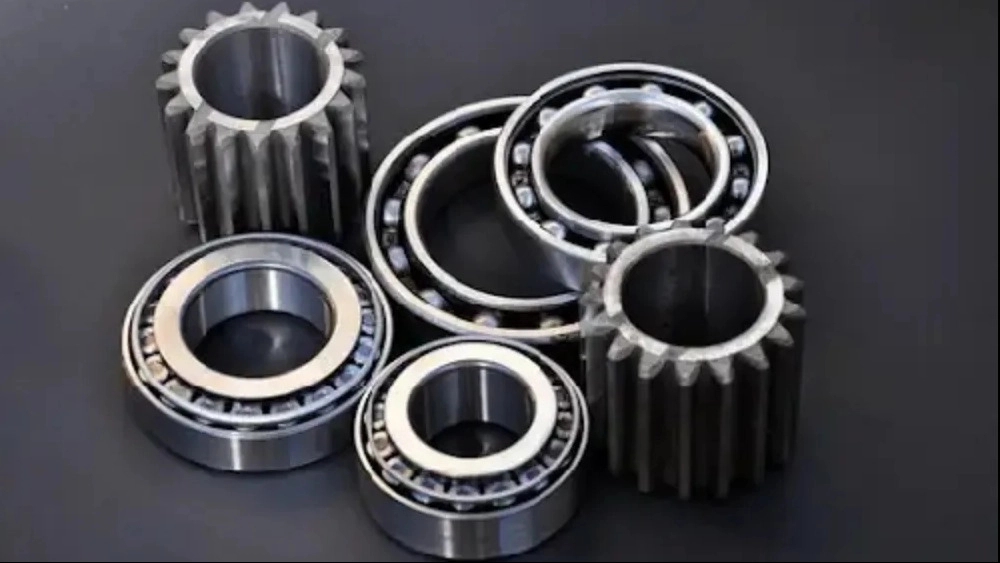
use of fixed and moving bearings in some of these industries include:
Aerospace
agriculture
car
Machine tools
medicine
Mine
When choosing a machine bearing for a particular application, there are several things to consider, including bearing friction, temperature, and lubrication. Together with the specific design and construction of the bearing, these three interacting factors can affect the overall performance. Radial bearings are primarily used for radially loaded shafts and light axial loads. Angular contact bearings are designed to carry more axial loads in one direction in addition to the radial capacity. Round bottom bearings are designed to bear axial loads alone. The most common configuration for radial bearings is the single-row version, which is shielded or sealed, depending on whether it is in a seating area—say, a transmission—or in an exposed area, like a bicycle wheel.
Important Features of Car Bearings
Bearing type: For bearings, Conrad or slotless bearings are the most common models, whose design accommodates a filler slot instead of moving the internal rolling path to load the balls and a rack for uniform spacing. They rely on For roller bearings, the type of bearing requires choosing the type of roller, which is cylindrical, conical and spherical. Installed units require selection of ball, roller, cylinder and also additional selection of style. The range of linear bearing types ranges from bearing racks—specifically empty ball-retaining racks often used as retaining buttons—to recirculating ball designs in which the balls rotate linearly along the shaft and then through channels. Non-shafts return to their starting points, it is different.
Style: This feature only applies to mounted units, where a distinction must be made between housings for bearings, including the selection of rotary transfer boxes, flanges, etc.
Material: The choice of materials for bearings and roller bearings is generally limited to a few special steel alloys, some plastics, sometimes ceramics, etc., while mounted units have more choice of materials due to the additional materials available for the housing.
Seal / Metal Shield: Bearings exposed to the environment can be ordered with a seal / metal shield, where the metal shield protects the bearing elements from soil penetration with minimal additional friction and seals the edges exposed to moisture. They do not contact but cause friction on the bearing, protect. Sealing or metal protection can be added on both sides, both sides, alone or in combination.
Rolling path: The rolling path of the machine bearing is generally placed in two designs: angular and radial contact. Angular contact bearings load the balls at an angle to perpendicular radial surfaces, while radial contact bearings load the balls through perpendicular surfaces. Angular contact bearings are generally preferred where axial load is considered. Deep groove bearings are usually associated with radial contact bearings. Cup and taper bearings are common in bicycle wheels, where the bearings are loosely spaced between the cones and the cones are adjusted for play.
Maximum static and dynamic bearing loads
Loading of bearings is based on static and dynamic values and their selection is based on the performance conditions that the bearing observes. The categories related to industrial bearings are as follows:
Shafts (shafting) are usually metal mechanical components that rotate axially to transmit motion.
Hydraulic/pneumatic/radial seals are mechanical devices used to seal reciprocating shaft components, where fluid is used as the driving force or oil or grease is used as the lubricant.
Lubricating greases are semi-solid mixtures of lubricants and thickeners that are usually made of minerals and soaps to create a higher viscosity than oil and are used to prevent wear of contact surfaces.
Lubricating oil is a slippery, viscous liquid made from any of several mineral, vegetable, animal, or synthetic materials. It is often a mixture of gaseous, liquid and solid hydrocarbons used for lubrication. It is also available in synthetic and edible forms.
Simple bearings (bushings) are mechanical elements used to reduce friction between rotating shafts and fixed support members. Typically, a soft metal or plastic bushing and an oil film rely on the hard shaft journal to support the rotating shaft.
Bearing isolators are mechanical devices that are designed to seal and protect bearings against the penetration of liquid and air pollutants.
Chain and bearing lubricators are mechanical devices used to deliver oils, greases or other lubricants to move or contact parts or joints to reduce friction.
Induction heaters are devices that use electromagnetic energy to induce heating in electrically conductive materials. Sometimes heaters are used to install bearings.