
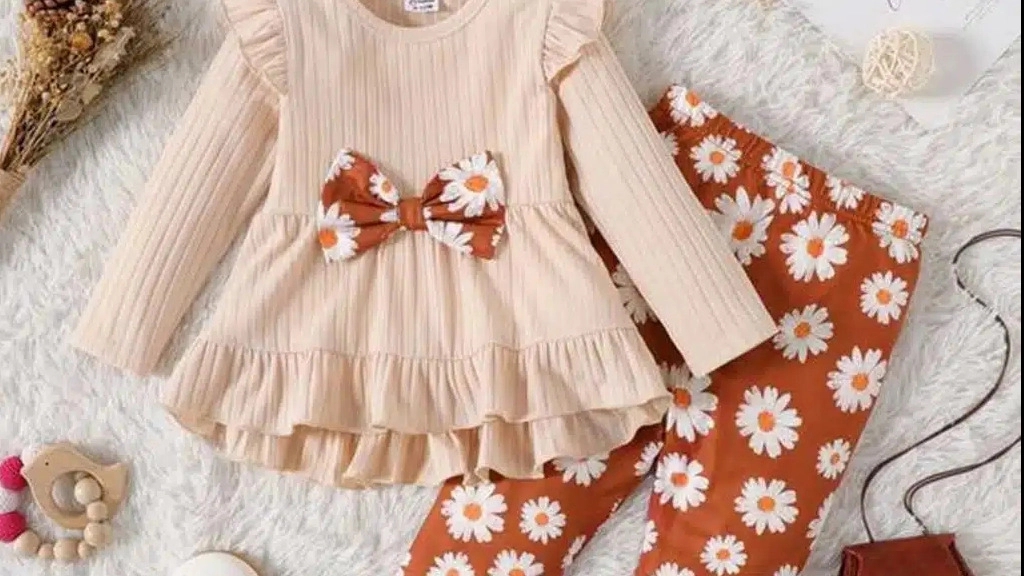

Children's clothing should allow children to move freely. Make sure that the clothes are flexible and do not restrict your child's movement. Also, make sure that the clothes are suitable for the big parts of your child's body (such as the head and neck) so that you can easily cover them.
1. Quality material: Use soft and moisturizing materials such as cotton. The material of comfortable clothing should be soft and lovely and make the child comfortable.
2. The right size:Make sure you buy the right size. Clothes that are too big for a child may hinder his movement and clothes that are too small for him can cause discomfort. 3. Simple style: Children's casual clothes should be simple and easy. Of course, you can consider the child's favorite patterns and colors, but make sure that the style of the clothes is as simple as possible to allow the child to move freely.
4. Easy to put on and take off: For small children, clothes that are easy to put on and take off are more suitable. This is especially important when children are learning to put on and take off clothes.
5. Considering the season and weather: For each season, it is better to buy the right clothes. For winter, thicker and warmer clothes and for summer, light and breathable clothes are needed.
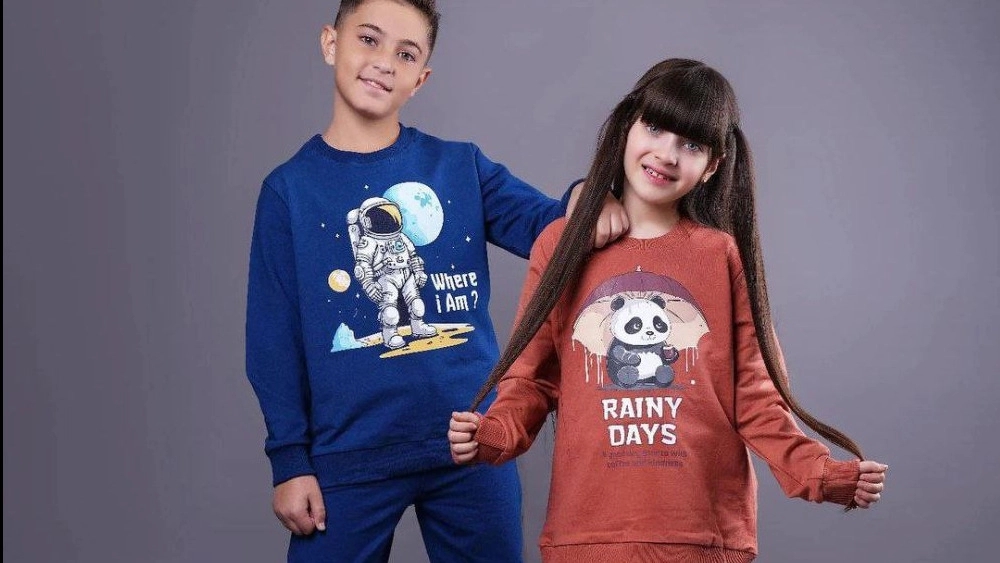
7. Checking the opinions and experiences of others: Before buying children's comfortable clothes, it is better to check the opinions and experiences of others. You can use other parents and reviews of previous customers about different brands and models to get an idea of the quality and comfort of the clothes.
8. Check the price:Also, check the prices before buying baby clothes. Prices may vary between brands and stores. By comparing the price and quality, you can make a better choice.
12. Considering color and designs: To buy children's comfortable clothes, happy colors and attractive designs can add more charm to the clothes. Children are often delighted with clothes that have their favorite designs on them. Also, bright colors and placement of patterns in appropriate places (for example, on the chest or sleeves) will also be attractive to children.
14. Allergy restrictions: If your child has certain allergies, make sure to buy clothes that are compatible with their allergy restrictions. For example, if your child is allergic to certain fabrics, make sure to buy clothes made of fabrics that are not problematic for him.
15. Size guide:Each child has a unique body size, so it is important to know your child's size before buying clothes. If you can't take your child to the store to be measured, you can use a sizing chart, which is often found on store websites. According to your child's body size, choose the right size.