
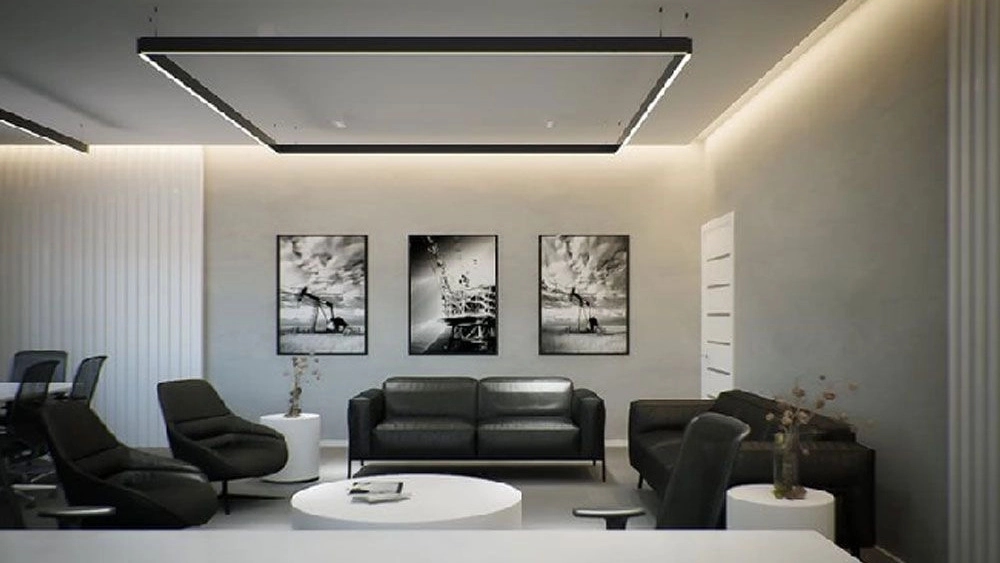
Linear light was first observed in structures around the ****s in industrial spaces using fluorescent tubes. As the innovation grew, it became more popular, leading to the use of direct lighting in many workshops, retail shops, as well as industrial rooms along with residential garages. As the demand for direct lights increased, so did the demand for a more visually pleasing product with far better performance. When LED lighting appeared in the early ****s, we saw big leaps in indirect lighting.
Direct LED lighting is suitable for continuous light lines without dark areas (where one fluorescent tube has already been completed and another has started). Since the introduction of linear lighting, the product range has expanded from strength to strength with aesthetic and productivity improvements regularly driven by ever-increasing needs. When we look at direct lighting these days, there are many options available such as direct/indirect, adjustable white color, RGBW, dimming and many more. These amazing features, packed directly into popular construction lights, can make for one-of-a-kind products.
What are the types of linear light?
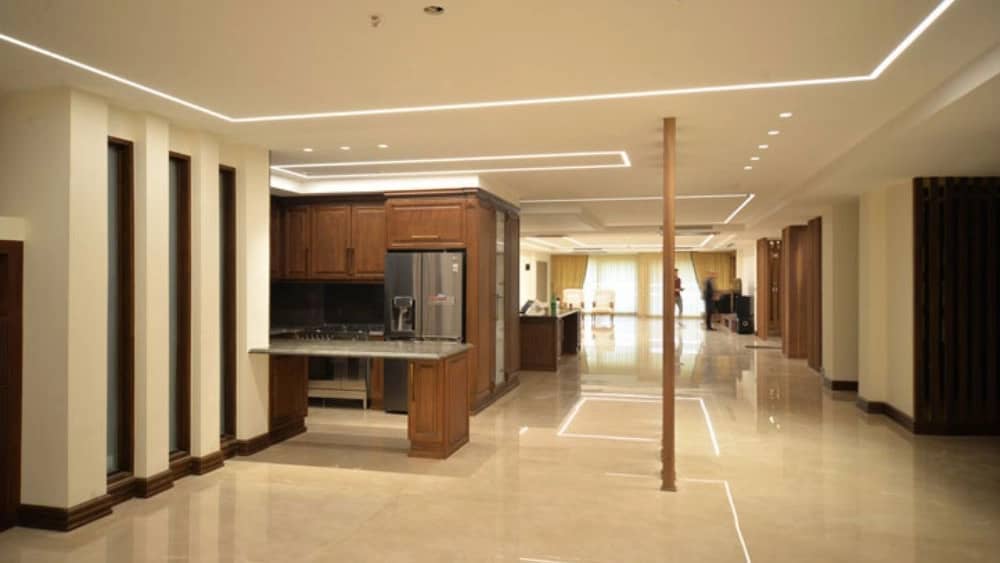
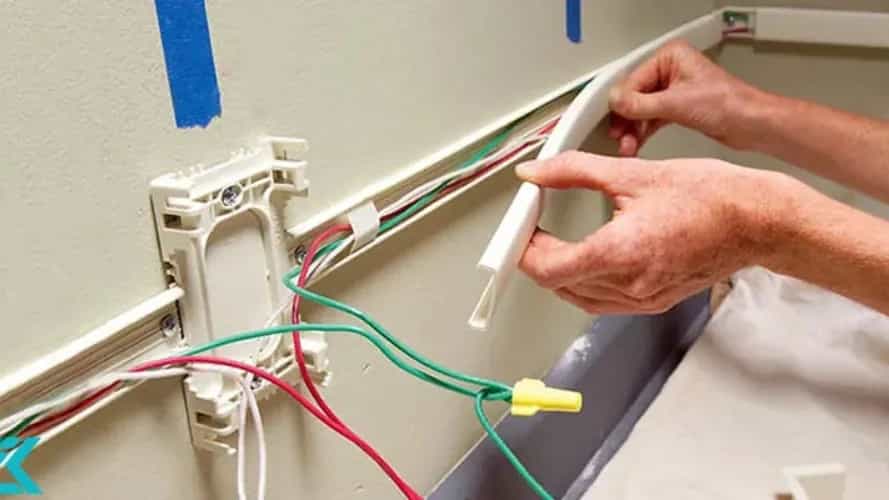
Direct lights are now available in many more options than when they were first introduced years ago. When looking at installation, linear lights can be recessed, surface or suspended. When it comes to IP (Ingress Protection) rating, many products are around IP20, however you will find lights on the market that are IP65 rated (meaning suitable for kitchens, washrooms and areas where water is present). are). Dimensions can also vary significantly with linear light. You can have individual pendants with direct light or more than 50 meters long. These can be large enough to illuminate an area or direct low light for mood or task lighting such as under cabinet lights.
Where is linear light used?
Due to the versatility of linear lighting, the items are used in a wide range of applications. In the past, we used linear lighting, which was typically used in commercial spaces such as retail as well as workplaces, but now we are seeing more and more direct lighting in schools and even in home applications for ambient lighting.