
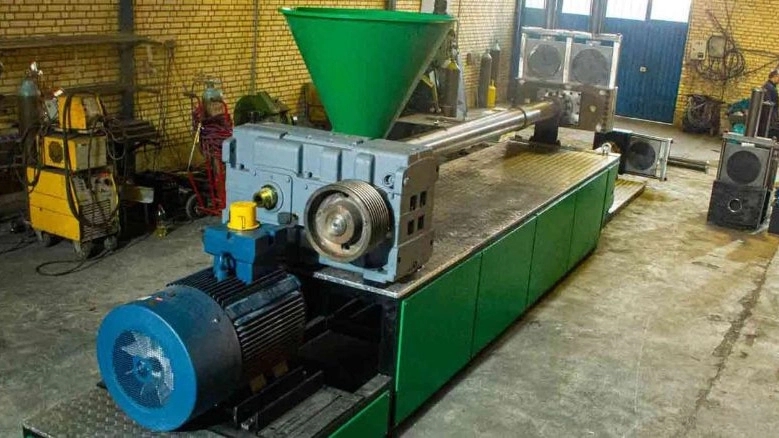
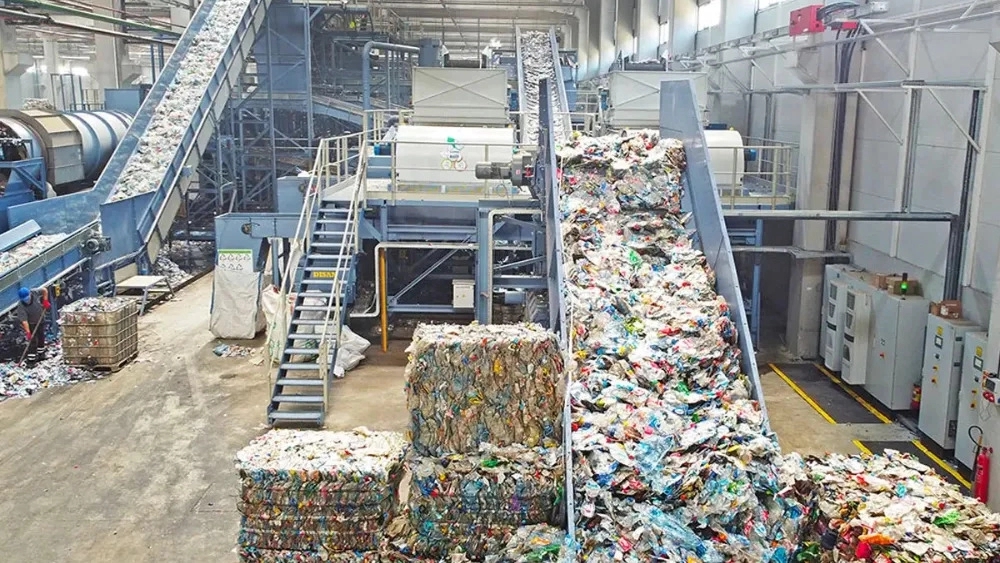


During recycling, disposable materials after use, such as iron, plastic, paper, glass, cardboard, etc. we reuse and turn into new used materials. This work prevents the waste of a large amount of raw materials, energy and national capital.
Benefits Recycling
٭ creates a large number of jobs.
٭ prevents the wastage of energy and natural resources such as water, wood and minerals The financial resources of the country will be wasted. The amount of produced waste will be less, so it helps to preserve natural resources, wildlife and ecosystems. It will reduce global warming. It will be.
Recycling methods
Primary method: In the primary method, one thing is converted into a similar item. For example, turning juice cans into soda cans or turning paper into paper, this method is also called closed loop recycling. Secondary method: It is a method in which no changes are required. Chemically, a substance is broken down into its components, and the resulting substances are used in the manufacture of similar products. For example, tire recycling and turning it into rubber and using it in other rubber industries, during which, without the need for any chemical changes, the rubber can be directly converted into usable materials and used in the manufacture of other rubber products.
Third method: In this method, the materials undergo complex chemical processes that are very important in the field of chemical engineering, and become products that are very different from the original material. become Turning plastic into fuel and wood are examples of this recycling method.
Recycled material
Glass: To recycle glass, just wash and use the glass container. Since this method is very easy to buy and consume products, it is recommended with glass packaging.
Metals: Humans use recycled steel and aluminum in large quantities. They save energy resources. Aluminum is a valuable metal and in order to recycle it, it is first crushed and hammered, then it is melted into ingots and taken to the aluminum factory, and the recycled aluminum is used in various industries.
Paper: Preparation of recycled paper saves trees and preserves them, reducing energy consumption by 75%, air pollution by 74% and water pollution by 34%.
Plastic: Every plastic has a code written inside a triangular symbol on its packaging. This code includes the numbers 1 to 7. Plastics with code 1 or 2 are usually recycled.
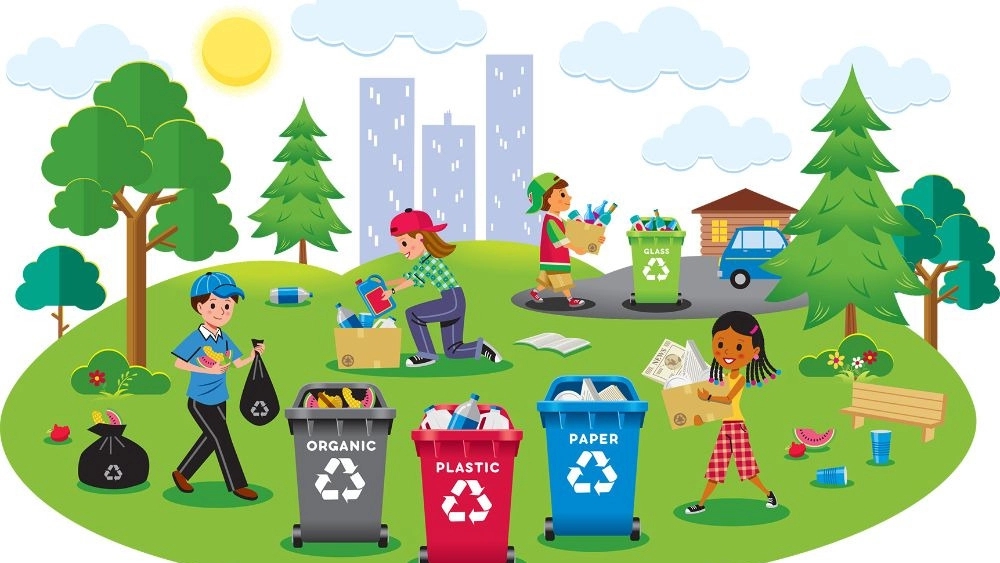
The methods of waste segregation at home
Sorting waste at home is very easy and does not require special skills and expertise, and anyone can do it. We only need to know wet and dry waste. The way to do it is to separate dry waste including cardboard, paper, plastic, glass, metals, wood, leather and electronic devices (these wastes occupy more volume than wet waste) from wet waste that Most of them include food waste, separate them and put each one in a separate container.
Some of the devices we use at home, such as mercury and moon lamps, electronic devices, various batteries, etc. They are considered hazardous wastes and are a threat to the health of the environment. Therefore, we should try to use as little battery-draining devices as possible and do not place the light bulbs where they can be broken. We should also try to use the devices that have the recycling symbol more in our daily lives, separate the waste, and with this work, contribute to cleaning the air and keeping the environment clean and preserving national resources. Let's play the country.