


Introduction to the types of artificial grass
Artificial grass has become a popular element in modern homes and commercial projects in recent years. This beautiful and functional flooring brings the freshness and vitality of nature and at the same time does not require special maintenance. But considering the high variety of artificial grass in the market, choosing the right product may seem a bit confusing. In this guide, we will introduce you to the types of artificial grass based on key features so that you can easily choose the best option for your space.
in terms of user type
Artificial grass is not only limited to sports fields. Rather, depending on the type of fibers, height and density of grass, it can be used in different places:
decorative artificial grass:
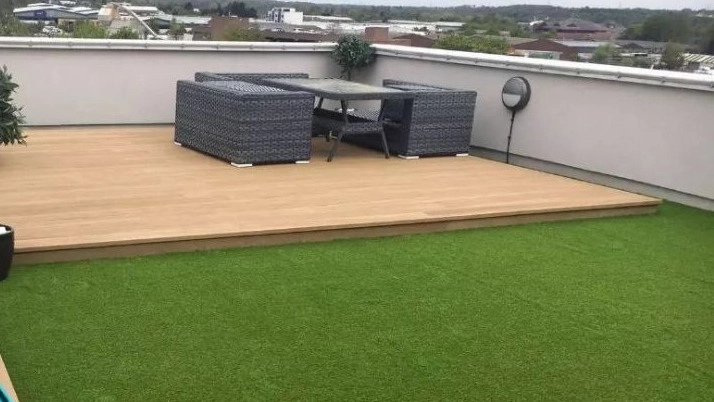
Suitable for beautifying the balcony, roof garden, backyard and villa landscaping. This type of grass usually has a beautiful and delicate appearance and is resistant to sunlight.
Sports Artificial Grass:
Designed for football, tennis, golf and indoor gyms. These grasses have high strength and density and are resistant to impact and abrasion.
Artificial Grass Game:
Children's safety is the top priority. Therefore, the artificial grass of the playground should be soft and flexible to prevent injury when falling.
artificial grass by the pool:
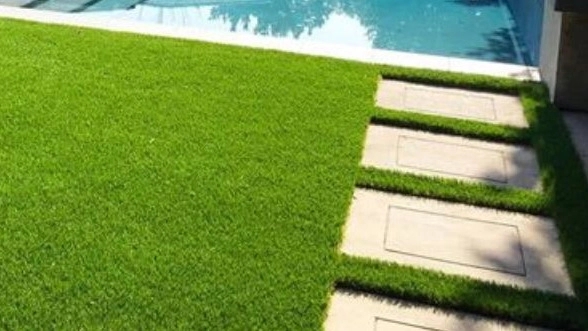
It is resistant to moisture and chlorine and helps to drain water.
Artificial Grass Fibers
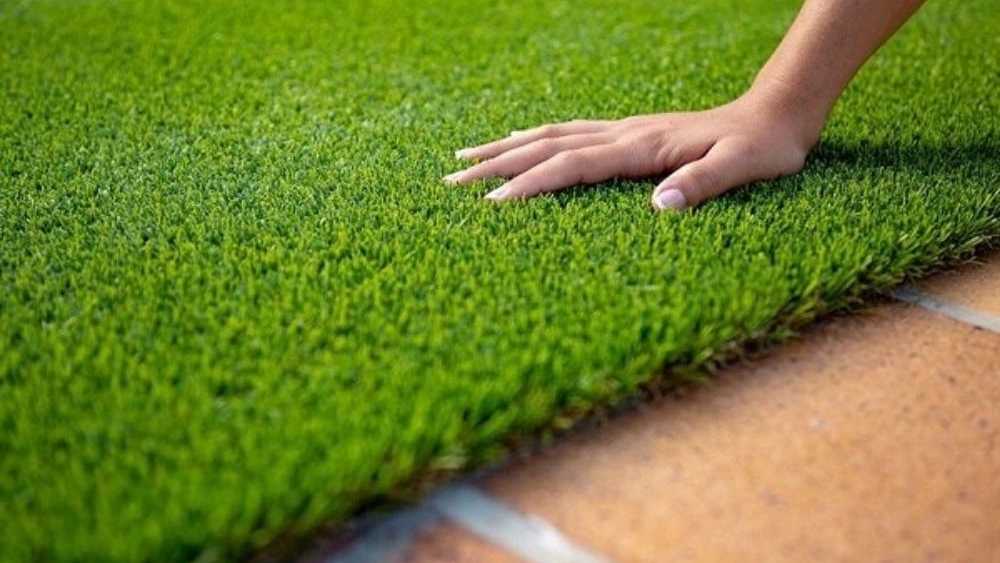
Artificial grass is usually made of polyethylene or polypropylene synthetic fibers. The quality of the fibers has a significant impact on the durability and final beauty of the grass:
nylon artificial grass:
Nylon fibers have high strength and flexibility and are suitable for high traffic places such as sports fields.
Polyethylene Artificial Grass:
This type of grass has a soft and delicate appearance and is used for residential and decorative spaces.
Polypropylene Artificial Grass:
It is affordable and suitable for places with little traffic such as around the pool or terrace.
artificial grass density
The density of artificial grass indicates the amount of fibers used in one square meter. The higher the density, the thicker, softer and more durable the grass will be:
Low density (less than 1000g/m2): Suitable for low traffic areas And it is mostly decorative.
Medium density (1000 to 2000 g/m2): It is the most widely used type of density that creates a good balance between price and performance. It is suitable for balcony, roof garden and home yard.
High density (above 2000 grams per square meter): It is suitable for sports fields and places with high traffic. .