
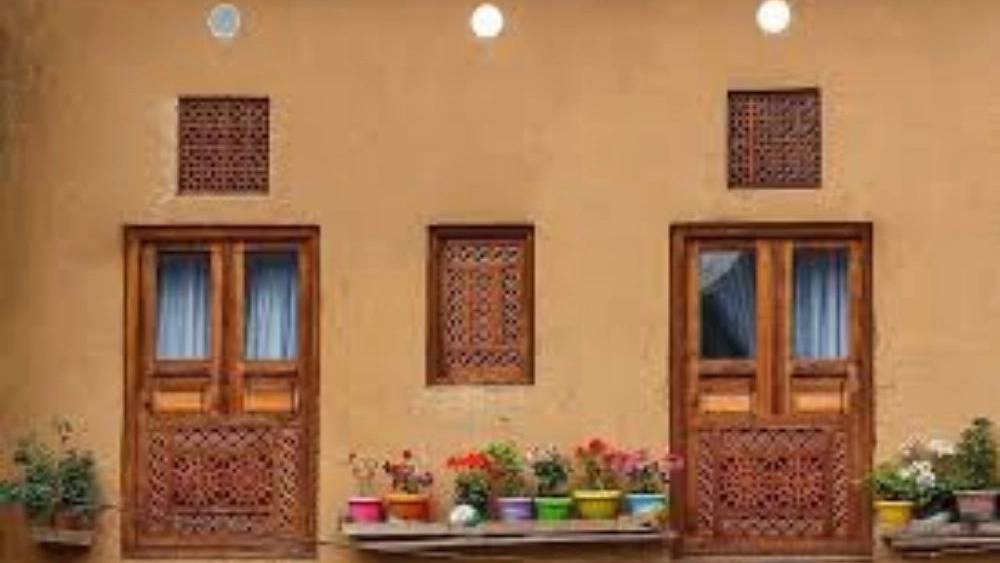
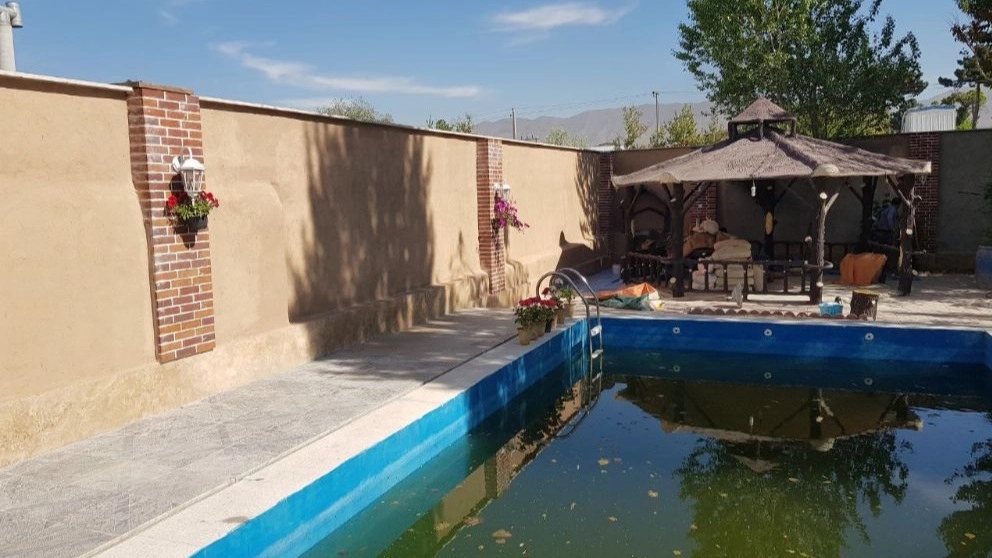

This material is amazingly suited to Iranian life and has surprises in it. and similar materials have been combined and Iranian architects have taken help from them to decorate buildings. It has been built with certain characteristics and with a balanced, original architecture and beautiful proportions.
Using these materials and on the plateau of Iran, in the view of the cities, Thatched roofs are protected between people and the heat of the sun. In this way, the wind deflectors ventilated the city, the skylights shaded the halls and vestibules. They give a gentle light and the hollow courtyards surrounded by the rooms with a stone pond and some trees add to the Iranian life. They have forgiven.
Even now, the volumes of thatched roofs, domed roofs and skylights covering the corridors and timchehs of the bazaari, hosseiniyehs and finally the domes and minarets of the Jame Mosque and other mosques and tombs can be seen. He emphasized that the date of the beginning of the use of thatch in Iranian civilization cannot be determined exactly. But its presence in the oldest architectural works of the plateau. It is a proof that this substance has been mixed with the life of the people of the land of Iran from the beginning and its identification and use has been passed down from generation to generation.
For the comfort of the Iranian people, the architects covered the cities with a layer of straw and Among this green cover, tree branches came out from the yards.
The pleasant color of thatch not only gives an extraordinary beauty to the Iranian city, but also sprinkles light and a special color on people's lives.
This paste is used in our land as one of the basic materials in various types of architecture, and it has been spread to all Iranian cities by human hands and with good intentions, and life continues in better climatic conditions under its support. would find
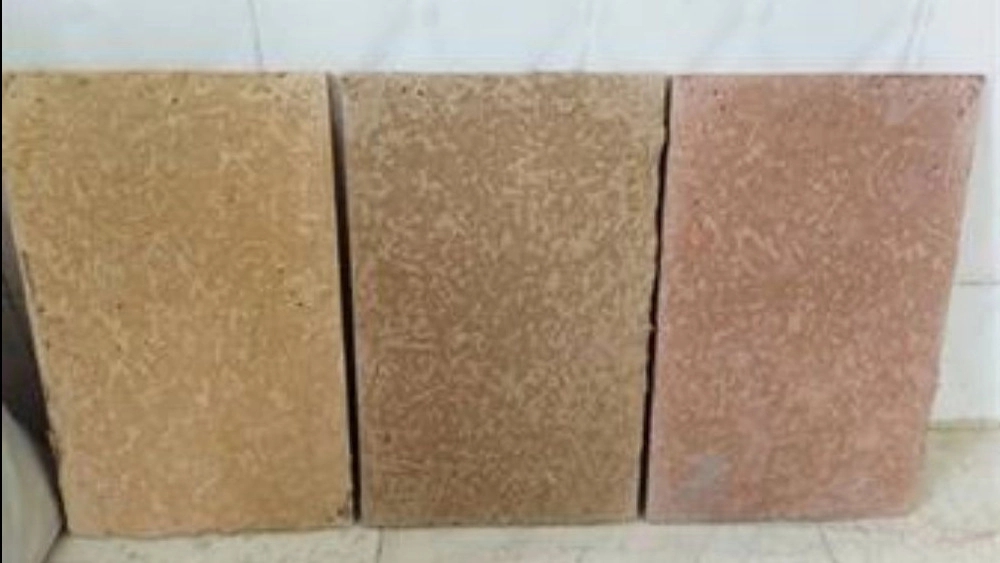
The arrangement of the straw material from the beginning to today is the same and consists of two simple materials. The breeze would gently pour the separated wheat grains on the ground, then they would collect it and pile it up for different uses. In this way, straw is easily and cheaply harvested in most parts of Iran. It was obtained, the fibers of that mud were pulled together and reinforced concrete as iron.
The second material is mud, which was used as much as possible to make clay. Water the soil, mix it well with straw and make it into a small mound. They pour the soil and straw with water until the yellow color of the straw appears in the flower water, then they rub the paste and gradually straw is made. Although making this paste is extremely simple. It would have been possible, now how to mix and the quantity of each of the materials was a sensitive matter. Straw prevents rainwater flow.
The thatch that was made to cover the roofs had less straw, and instead, they added sandy soil from wells to the dough to strengthen the thatch layer against the rain instead of straw.
For the thatch that was used for The wall covering was prepared by adding more straw to the mixture so that the straw would be smoother and not crack.
By using red clay, The straw would take on a red color and it would be prepared for plaster patterns.
The straw is insulating, heat and cold do not pass through it, and the rain does not settle from its dome coverings and vaulted ceilings.
The hustle and bustle of the alleys and markets is lost in it.
It is not necessary to explain that the combination of the properties of these several insulators in one material is rarely seen.
Straw is cheap and it is found in abundance in most cities of Iran.
Its price is negligible and with this amount of straw they have armed large surfaces of mud.
At the same time, everyone could make straw and cover and protect their shelter with it. takes it and spreads it on the desired surface.