
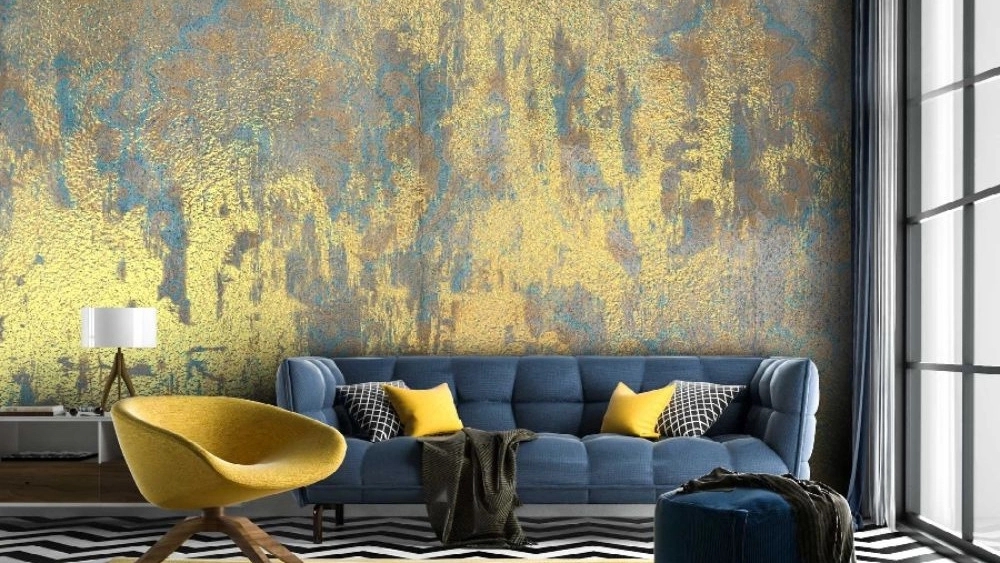
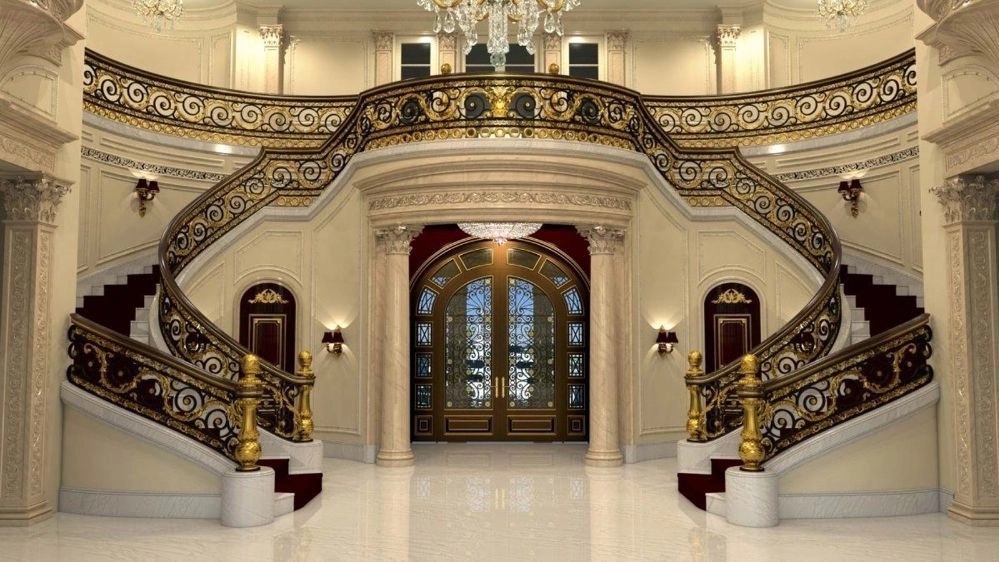
Patinating is one of the methods that can be considered as an alternative to painting and enjoy its enchanting charm. The living space and the work space should be mixed with designs and patterns that are liked and create a lovely feeling. Patina is one of the methods that can be used to design the ceiling and wall and give it a different look. forgave The literal meaning of patina refers to rust and aging and is known as the art of aging among architects.
Patina refers to a style of painting that gives the work a colored, indented and aged state. Nowadays, with the advancement of architectural science and the invention of new styles and new materials, modern effects have been added to the collection of patina colors, which gives it a decorative look. Patina has created a new development in the architecture industry and is always evolving and improving. Patina is an art in which various and beautiful visual textures are created on surfaces by different colors and tools.
Patina in interior design
Patina work on the walls of the house is one of the most popular patinas in the world and is of special importance in interior decoration. The art of wall patina and building patina techniques is very extensive. With this art, you can turn a simple and soulless wall into a beautiful and eye-catching wall.
Compared to simple colors that are used to paint surfaces, patina is more welcome. Because it makes the living space look more beautiful and pleasant.
Patina characteristics
Patina is a suitable substitute for paint in interior decoration and its beauty is much more eye-catching compared to the painting of the building. But due to its high price compared to paint, it is mainly used to decorate a part of the wall.
Patina has high stability and remains healthy until you change the color of the surfaces.
p>
One of the features of patina is that if the patina area is injured, it can be easily and quickly repaired and stained.
Patina can be applied on any surface. including metal surfaces, partitions, walls, ceilings, Column and...
Waves on the wall, cracks and unevenness on the surface can be covered with patina.
Patina surfaces compared to other painted surfaces. With bright colors, they become dirty and cloudy later.
Different methods for patina
The art of patina is very diverse and wide and is used to decorate different surfaces. Patina work can be applied in all kinds of gilding patinas, silver leaf, angel design, cloud and wind, embossed and non-embossed, textured and non-textured, ceiling and wall plating, wood design, antique work, etc.
Microscopic patina
Microcement is a type of patina work with cement, which is applied on all types of plaster, stone, ceramic, cement, etc. surfaces. From this patina in places exposed to water such as; Toilets and bathrooms are used. Of course, due to its high resistance and high adhesion, it can also be used on stairs and floors in commercial centers.
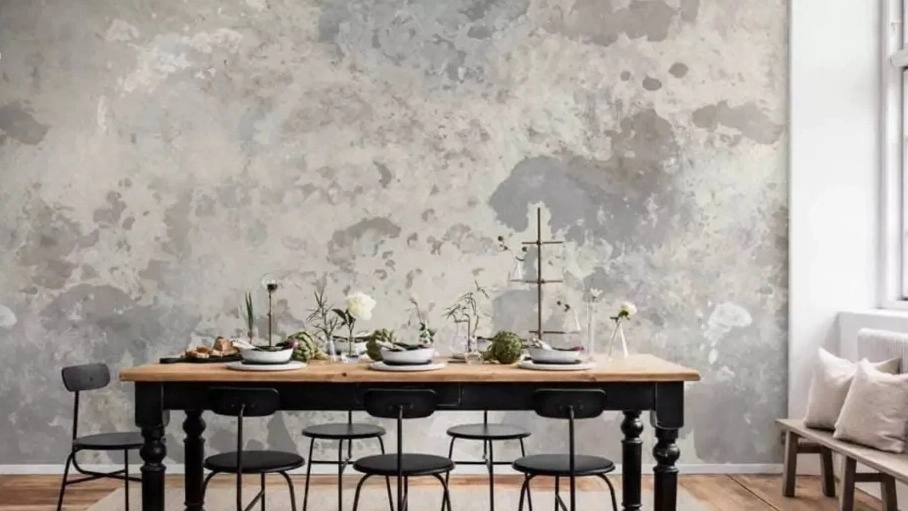
Oily patina
This patina is done with oily materials and it has good washing ability. Oil patina can be applied in the following three types:
glossy: for working on wood
semi-glossy: all surfaces
semi-matte: all surfaces
Sponge
This method is one of the easiest methods that everyone can do. To do that, the surface must be painted first. Then he created a design with a clean sponge dipped in paint with stroke mode.
Patina with ornamental sheet
In this method, after cleaning the surface and covering it with acrylic paint, the decorative foil adhesive is diluted with water and applied to the surface with a brush or sponge. The surface coated with gold foil adhesive should be Pollution should be kept away. Then they put an ornamental sheet on the glue and massage the sheets with the help of a cloth so that no extra sheet is left behind.