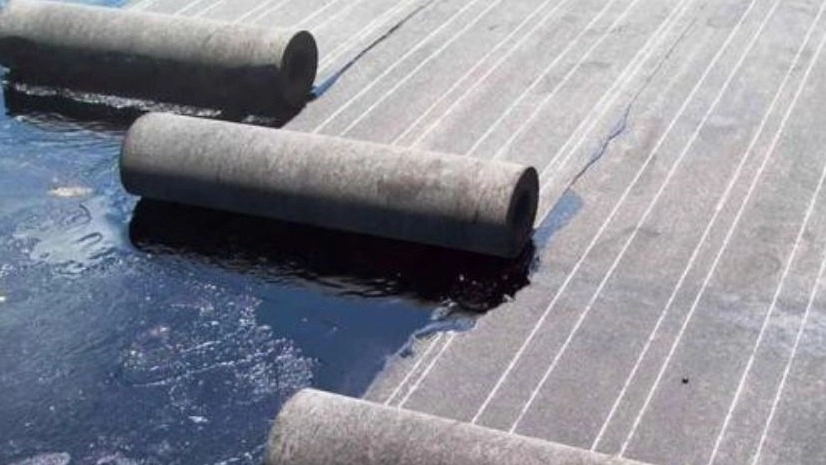
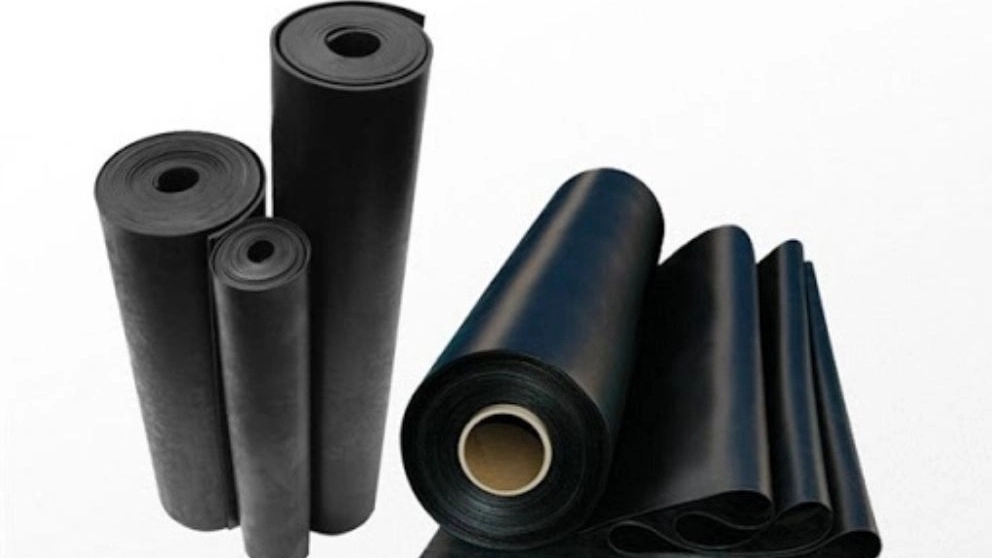



Izogam is a type of waterproofing that is mainly used to prevent water infiltration into buildings and structures. This insulation is usually made from a combination of different materials that give it waterproof properties.
Isogam content:
Features and Benefits:
- Moisture insulation: Isogam prevents water penetration well and is suitable for roofs, walls and foundations. - UV resistance: Quality isoghams are usually UV resistant. - Easy installation: Isogam is easier to install than other insulation methods.
Applications:
- Roofs: to prevent the penetration of rain water and snow. - Walls: especially in areas exposed to moisture. - Foundations: to protect underground structures.
Isogam and waterproofing are both used as solutions to prevent water and moisture from entering buildings and structures, but they also have differences.
Isogam:
- Definition: Isogam is a type of prefabricated waterproofing, which usually consists of bitumen, polyester and other additives.
Features:
- Strong waterproofing: prevents water penetration well. - Easy installation: it is easily installed on different surfaces. - Resistance to atmospheric conditions: quality isogams are usually resistant to UV and temperature changes. - Applications: It is mostly used in ceilings, walls and foundations.
Moisture Insulation:
Definition: Waterproofing refers to any type of material or system that is used to prevent water and moisture penetration. It can include isogam, bitumen, chemicals and even polymer insulation.
Features:
Variety: Waterproofing can come in a variety of materials and techniques. Different applications: Depending on the type of insulation, they can be used in different places such as basements, pools and other structures.
Conclusion:
In general, Izogam is a special type of waterproofing that is very popular due to its special features.