
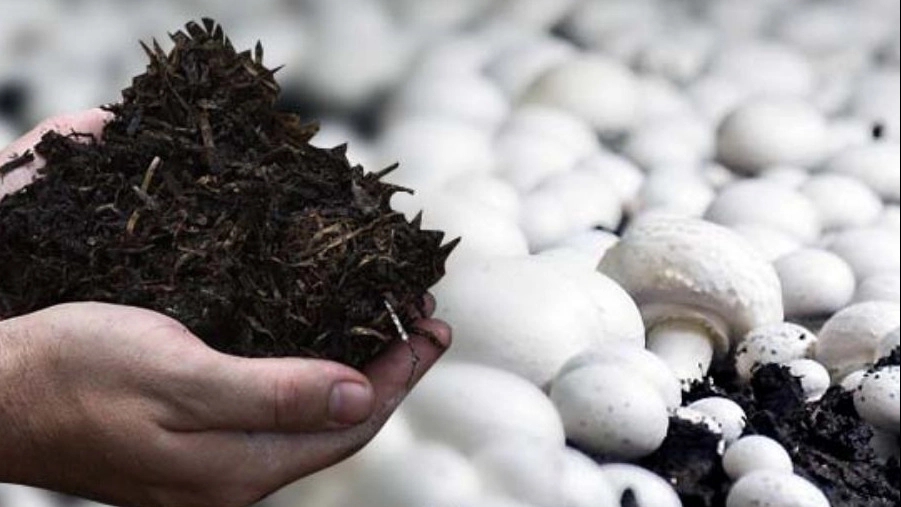
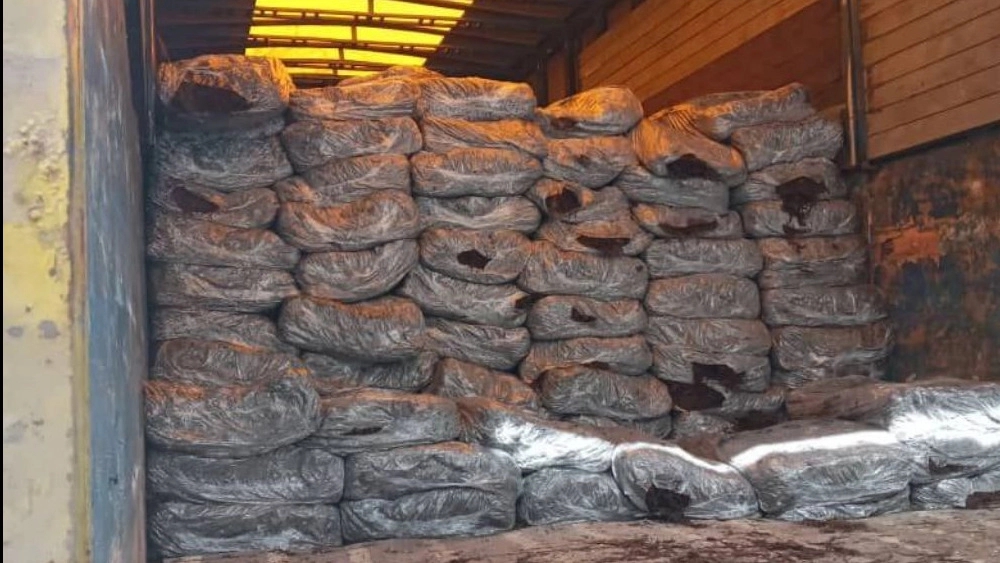
The history of this practice goes back to the time of the Roman Empire, when the waste of organic material from one crop year was collected in a corner so that it rots enough for the next crop season. Compost became a tool for modern organic farming in Europe in the early 1920s. The first industrial station for converting urban organic matter into compost was set up in 1921 in Wolles, Austria.
This compound is rich in nutrients for plants and can be used in gardens, landscaping, horticulture, urban farming and organic farming. This compound is useful as a soil conditioner, fertilizer, addition to vital humus or humic acids, and also as a natural soil pesticide for the earth. This compound is also useful for erosion control, land reclamation, wetland construction, and as a cover for landfills.
What is a compost how is it prepared
At its simplest, the composting process involves building a pile of wet organic materials (also called green waste) such as leaves, grass, and food scraps and waiting for the materials to decompose after several months.
However, this process can be done as a multi-step process and by monitoring the inputs of water, air and materials rich in carbon and nitrogen. The process of breaking down the material by crushing the plant material, adding water and ensuring proper aeration by turning the mixture regularly when using open mounds helps speed up this process.
Mushrooms, earthworms and Other organisms that use organic matter further decompose the matter. Aerobic bacteria and fungi manage chemical processes by converting heat, carbon dioxide and ammonium and are an important part of the composting process.
Compost production steps
In ideal conditions, this process is carried out through three main phases:
Mesophilic phase: It is an initial stage in which decomposition is carried out at medium temperature by mesophilic microorganisms.
Thermophilic phase: With the increase in temperature, the second stage of thermogenesis begins, in which decomposition is carried out by various thermophilic bacteria at high temperature.
< Maturity stage: As the supply of energy-rich compounds decreases, the temperature begins to decrease and mesophiles dominate once again.
Compost benefits
Causing a healthier plant
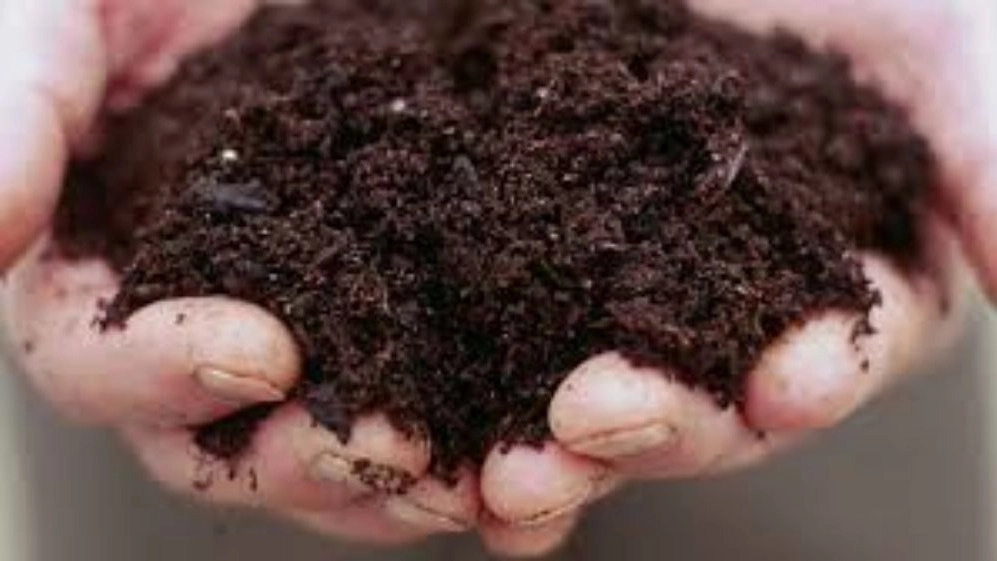
Organic matter is known as the soul of a healthy soil. Adding compost to your yard or garden soil will help your plants grow bigger and better. The organic matter in the composition helps the soil to retain nutrients and water, and this will help the plant and reduce the risk of contamination.
Saves money
Using this combination as a soil conditioner or mulch will reduce your need to purchase these items for the garden. Composting in your backyard may reduce your trash emptying costs and reduce the number of trash bags your family uses.
Its production is practical and comfortable
With the production of this material, there is no need to carry bags of leaves and other garden/yard waste. Just add them to a pile or bucket in your backyard for a rich, dark hummus.
Compost is a good alternative to landfill
Our garden or yard waste makes up approximately 20% of the total waste thrown away each year. The production of this compound reduces the need to burn or bury organic matter and increases the quality of our precious topsoil.