

Disposable tablecloths are one of the most used products among us Iranians and can be used in different ways as tablecloths, covers, and in formal, friendly gatherings, etc. As it was said, disposable tablecloths are produced in different types, and for this reason, each disposable tablecloth is prepared from special raw materials. The raw material of plastic is a type of polymer called polyethylene, which It is made of oil. Of course, in the production of disposable tablecloths, paint, polyethylene granules and carbon are also used. In order to make and produce disposable tablecloths, 90% polyethylene granules and 10% carbon are used, and paint is also used to create a design. and coloring is used.
Among the advantages of polyethylene granules, we can mention the following:
It is resistant to impact.
It does not spread in the air. Oxide has high stability.
Of course, let's also state that this material has disadvantages in addition to its advantages. Among the disadvantages of polyethylene granules, we can mention: low melting temperature, oxidation and destruction at temperatures above 270 degrees Celsius and under X-rays.
What is the other uses of polyethylene granules?
Polyethylene granules can be used in other cases besides making and producing disposable tablecloths. Among the uses of polyethylene granules, the following can be mentioned:
packaging of goods
automotive industry
household appliances
electricity and telecommunication
water and waste
Chemical items
Medical and pharmaceutical
What should we do to supply disposable tablecloths?
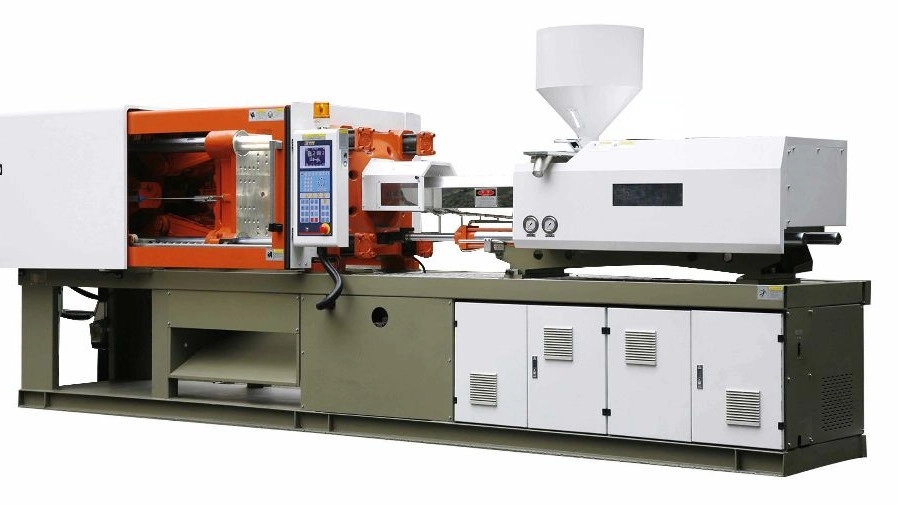
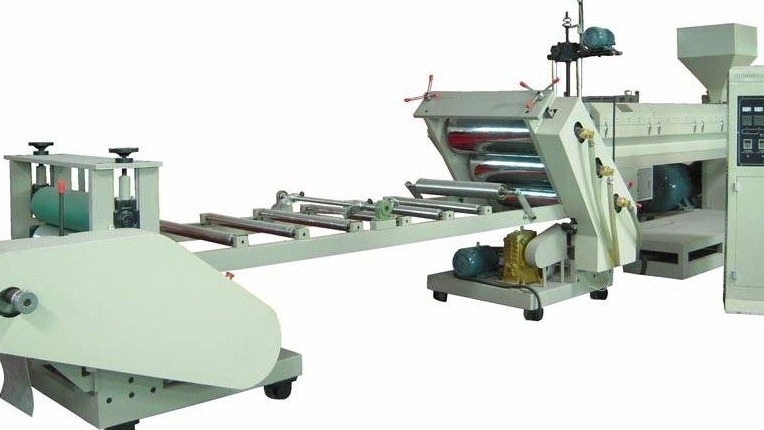
To supply raw materials, it is better to refer to the suppliers of petrochemical materials. It is better to know that polyethylene granules are needed for the production of disposable tablecloths, so the producer of disposable tablecloths must be careful about choosing the appropriate grade. Of course, paying attention to the machines that must be installed and used in the production line of disposable tablecloths can also have a significant impact on the quality of disposable tablecloth production, such as the raw materials of disposable tablecloths.
The production of disposable tablecloths has increased with the demand of consumers to such an extent that consumers use disposable tablecloths as covers, tablecloths, etc. It is used in the production of disposable tablecloths, we can refer to polyethylene granules, which is a petroleum product, carbon and paint. In this way, 90% of granules and 10% of carbon are used in the production of disposable tablecloths.
Is the raw material of all disposable tablecloths the same?
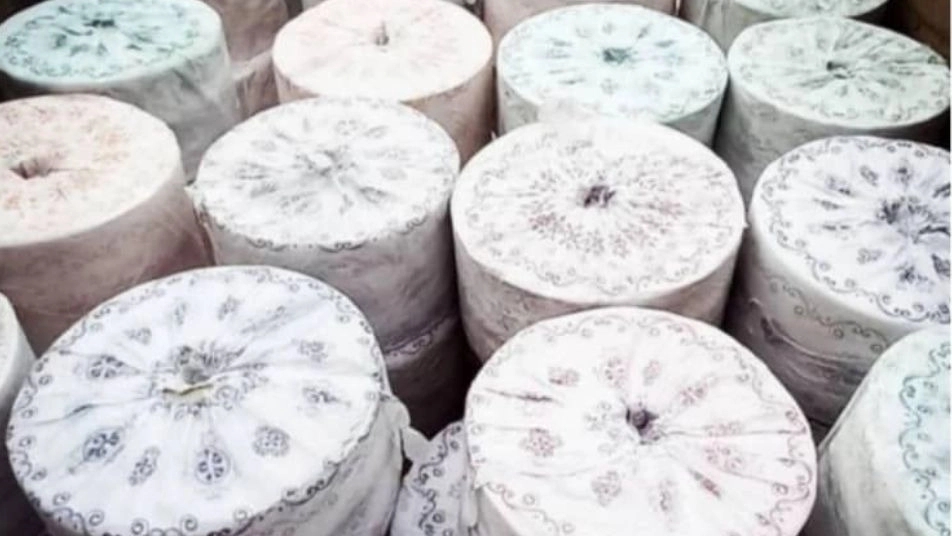
Disposable tablecloths are produced in different types: paper, nylon, glass and cloth, and they differ from each other in terms of raw materials and also the machines of the disposable tablecloth production line. It is better to know that the percentage The use of granulated polyethylene, color and carbon represents the quality of work. So, the more polyethylene granules, the higher the price of the produced tablecloth.
What effect does the cost of buying disposable raw materials have on the final price?
The cost of purchasing raw materials for the production of disposable tablecloths has a direct effect on its final price. In fact, the cost of raw materials mainly constitutes the final price of disposable tablecloths. In general, if the cost of purchasing raw materials for the production of disposable tablecloths increases, the final price of the tablecloth will probably increase. This is due to the increase in production cost and also the reflection of production costs in the price of the product.
Factors that can affect the cost of purchasing raw materials include the following:
Materials Primary: The type and quality of raw materials used in the production of disposable tablecloths have a great impact on their cost. Higher quality materials generally cost more and may increase the final price.
Purchase Volume: The purchase volume of raw materials can also have a direct effect on the final price of disposable tablecloths. With the increase in the volume of purchases, agreements and discounts may be established with suppliers, which in turn lead to a decrease in the final price of the product.