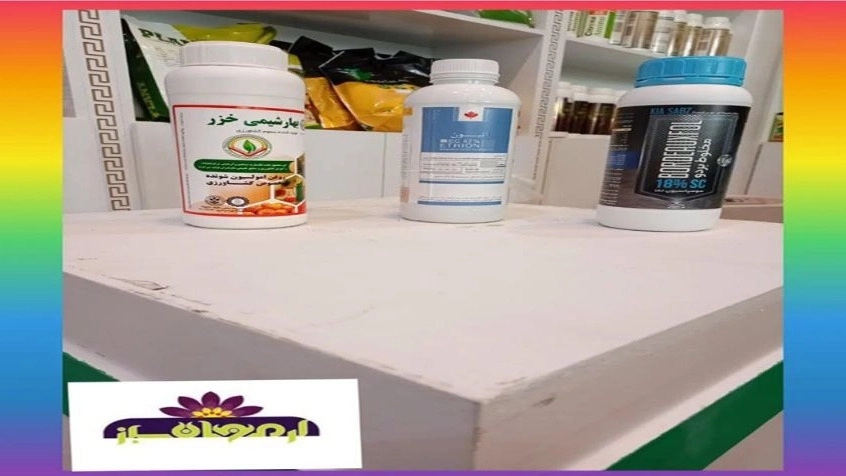




The benefits of using agricultural pesticides
Using agricultural pesticides has many advantages that before referring to its types, it is good to check some points. The advantages of using these poisons are:
Increase in food production
Prevention of various diseases
Pest control
Reducing the possibility of humans contracting transmitted diseases
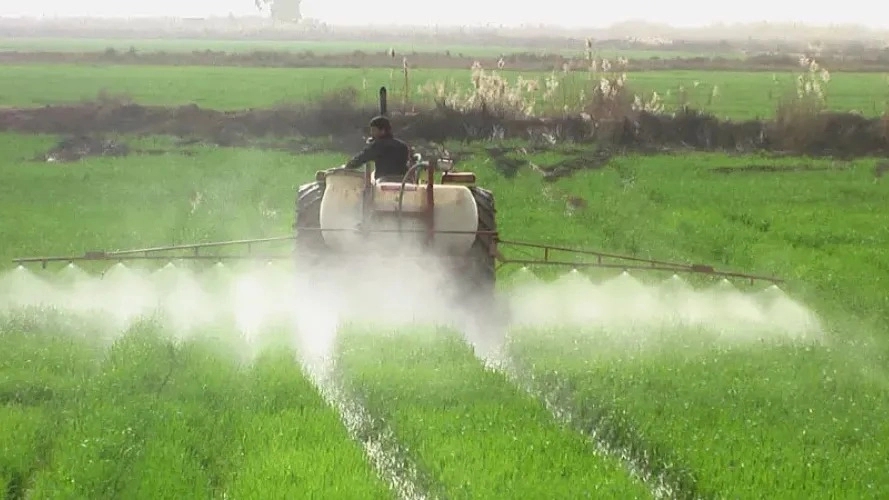
Classification of toxins and pesticides
The high diversity of pesticides and all kinds of poisons in agriculture has made it necessary to categorize them. These categories and classifications are based on various things, including the type of target pest, the degree of toxicity, the type of chemical substance, and the performance of the pesticide.
Types of toxins based on the type of chemical composition
Based on the type of chemical composition, agricultural poisons and pesticides are divided into different types. The types of agricultural poisons, which are placed in the same class based on the type of chemical composition, have similar instructions for things like first aid, cleaning and safety application. Types of citrus poisons and other products based on chemical composition include organophosphate pesticides, carbamate pesticides, organochlorine pesticides, triazine pesticides, and phenoxy pesticides.
Types of toxins based on the type of target pest
Types of toxins based on the function of functioning
Types of agricultural poisons are also divided into different categories based on the type of performance. The types of poisons based on the mode of action are:
Contact Pesticide: Contact pesticide controls the pest by direct contact with it. For example, herbicides kill weeds by covering a certain area.
Systemic pesticide: Systemic pesticides are absorbed through a part or organ of the plant. In the next step, it spreads throughout the plant and destroys it. For example, by penetrating into the plant, insecticides destroy the organisms that feed on the plant.
The most widely used and most important toxins are:
Generally, there are some agricultural poisons in the market that are more important than other poisons and are used. Some of the most widely used and important poisons are:
Glyphosate: a type of herbicide from the phosphonic acid group that is used to control annual and perennial weeds.
Deltamethrin: belongs to the group of pyrethroids and is used to fight round spot minnows of cold fruit trees, sugar beet root rot and wheat senescence.
Amitraz: belongs to the group of amidines and is used to control red spider mite, leaf minnow, cotton bollworm, whitefly and leaf-eating worms and in animals to control bed bugs, mites and lice.
Permethrin: belongs to the group of pyrethroids and has repellent properties.
Chlorpyrifos: It is one of the organophosphate poisons and is used to control many agricultural and household pests as well as soil disinfection.
Fenvalerite: This poison is mostly used for flies, fleas, worms, leaf eaters, caterpillars, scales and other sucking insects.
Paraquat: This poison kills weeds by producing active oxygen species in the green parts of the plant.
Fen Pyroxymit: This acaricide poison is used to prevent damage by mites in crop seasons.
Fenpropathrin: It is a non-systemic acaricide from the pyrothyroid group and paralyzes the pests and eventually causes their death.
Diazinon: belongs to the family of organophosphorus insecticides and is used to kill fruit tree pests.
Oxydimetone Methyl: This contact-digestive systemic poison is from the group of organophosphorus poisons and is used to kill worms.
Cypermethrin: This non-systemic poison is used to kill many insects.
Endosulfan: a type of prohibited insecticide that is very toxic and harmful to beneficial insects.
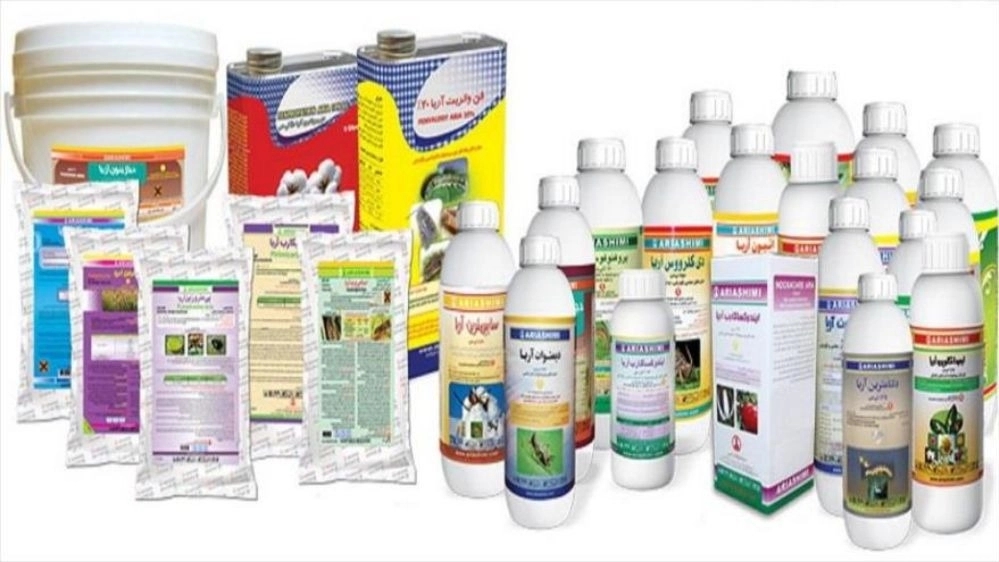
Important points in using a variety of agricultural poisons
In order to use all kinds of agricultural pesticides, some points must be specially paid attention to in order to achieve the desired results. These tips include the following:
Before use, be sure to read the instructions on the package completely.
Pay special attention to the amount and method of consuming poison. Consuming less than the specified limit and too much can cause various problems.
Note that when using poisons, follow the safety and health tips completely. Covering different parts of the body and using a mask are the most basic precautions.
Pay attention to the characteristics of the soil and plants before preparing and using poisons.
Check the equipment used for spraying in advance.
Avoid spraying in bad weather conditions such as wind and heavy rain.