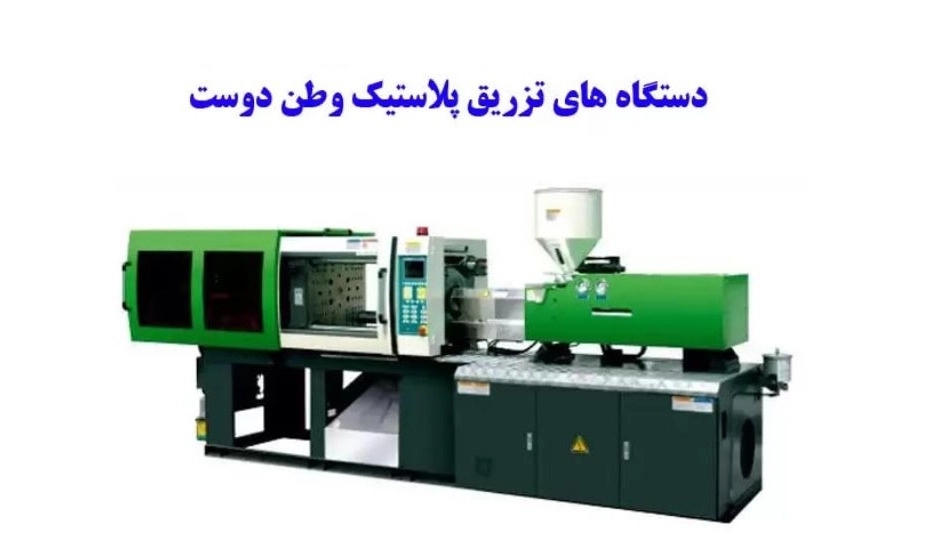
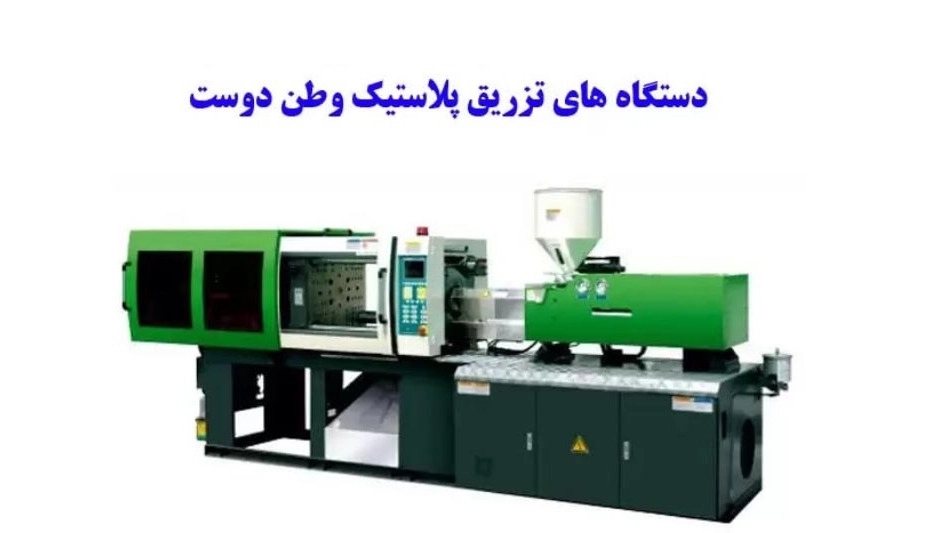
Plastic Injection Machine
One of the easiest and most common and most important common methods to shape polymers (resin) is to use a plastic injection machine (Injection Machine). After the emergence and development of plastics, efforts were made to build devices that could easily shape plastic raw materials into the desired shape and led to the invention of the injection machine. But before the construction of today's modern injection machines, the work of shaping plastics was very difficult. First, molds were prepared with great care and effort, and they were installed in manual clamps, and a cylinder with a piston was installed on it, and around The cylinder was heated with flames, and after melting the material, the material inside the cylinder was injected into the mold with the pressure of the piston. apart They separated and removed the manufactured product from it, and all these steps were done by hand, until today's modern injection machines were produced.
The first injection machine that worked in a basic way was made in America in 1872, and the first advanced screw injection machine was also registered in 1946 in America by James Watson. The main task of the injection machine is to convert solid plastic materials (fine grains or polymer granules) into liquid and fluid plastic and transfer it to the mold so that the liquid materials are always ready to be injected into the mold.
Types of Injection Machine:
- عمودی
- افقی
Types of Injection Device from the Material Transmission System:
- پیستونی
- ماردونی (پیچی)
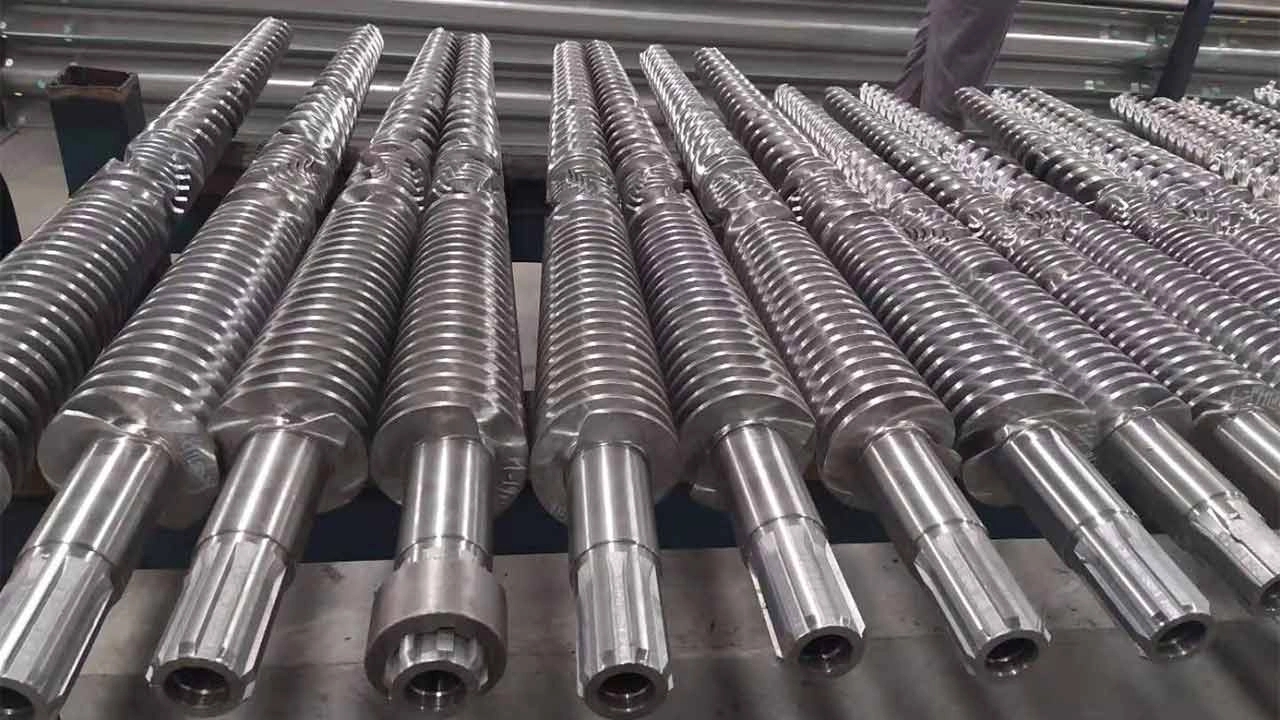
Types of injection device for moving the moving plate:
- دستگاه های بازویی
- دستگاه های جکی
The Benefits of Plastic Injection Molding:
High precision
Reproducibility
Wide range of consumables
Low labor cost
Little scrap and low requirements to finalize the products after Molding