
Book Book History
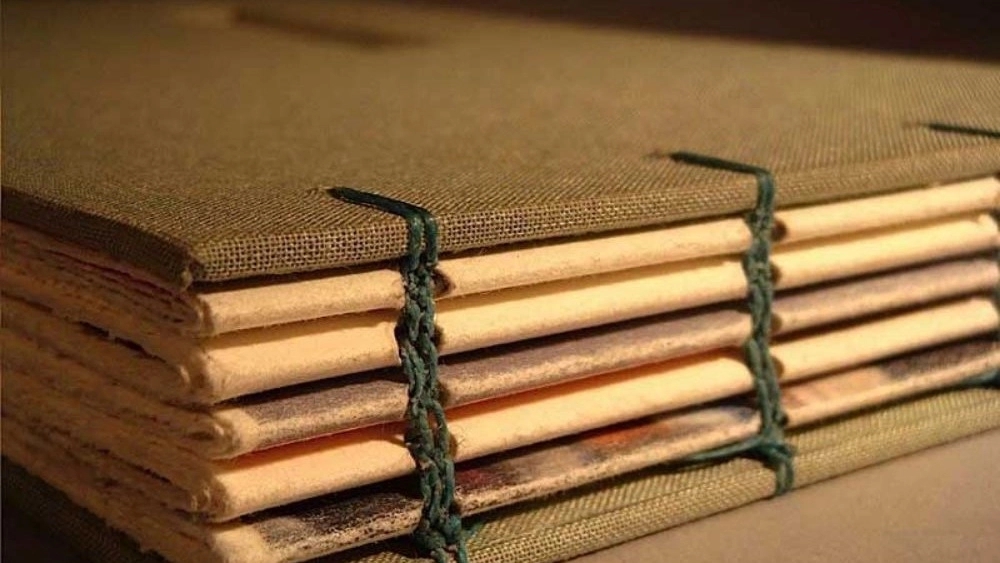
It is not a secret for anyone that pen, writing and books have had a significant impact on the progress of mankind and civilization; Stone tablets, cuneiform, papyrus and hieroglyphic language. Stone tablets were too heavy to move, unlike primitive papers like papyrus, which were easily portable. But the problem was that there was a lot of paper to move. At this time, the need for binding was seen, an operation that keeps the sheets together and somehow prevents them from being damaged. Binding the leaves together and keeping them out of order was very important, but even more important was the binding of the books, something that would protect the vulnerable papyrus leaves from moisture, erosion, and insects. Book binding in its present form has been with us since the time of the Timurids and was very important from the very beginning. Binding is the art and skill of arranging and connecting the pages of a book (or the like) and placing the cover on them in order to keep the pages together and prevent the book from being worn or torn. During that time, various artists bound the handwritten books of the past and by doing this, they greatly contributed to their durability; So that today in various museums we see books that were bound by the masters of calligraphy, painting, gilding and enameling.
Types of Book Books
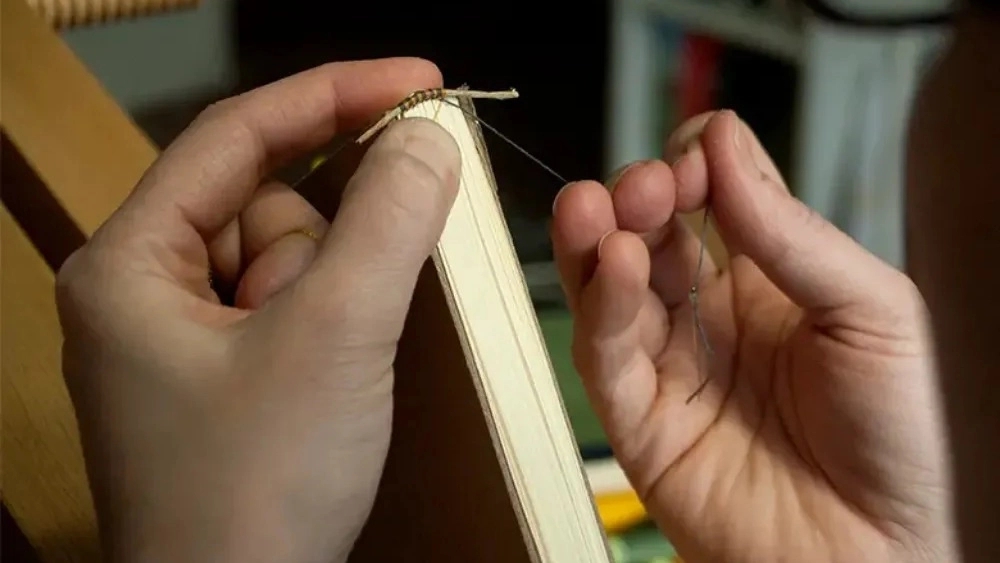
There are many types of book publishing, the selection of the appropriate method and technique depends on various factors, including the purpose and final use of the book and the employer's budget. One of the types of binding is hot glue binding
Cold adhesive tape
sew bottom
to fold
Wire stitch bottom
Flat staple binding
Staple loop binding
punch
Plastic spring
wire spring
Plastic strap
He pointed out the bottom of the printer's paper and so on.
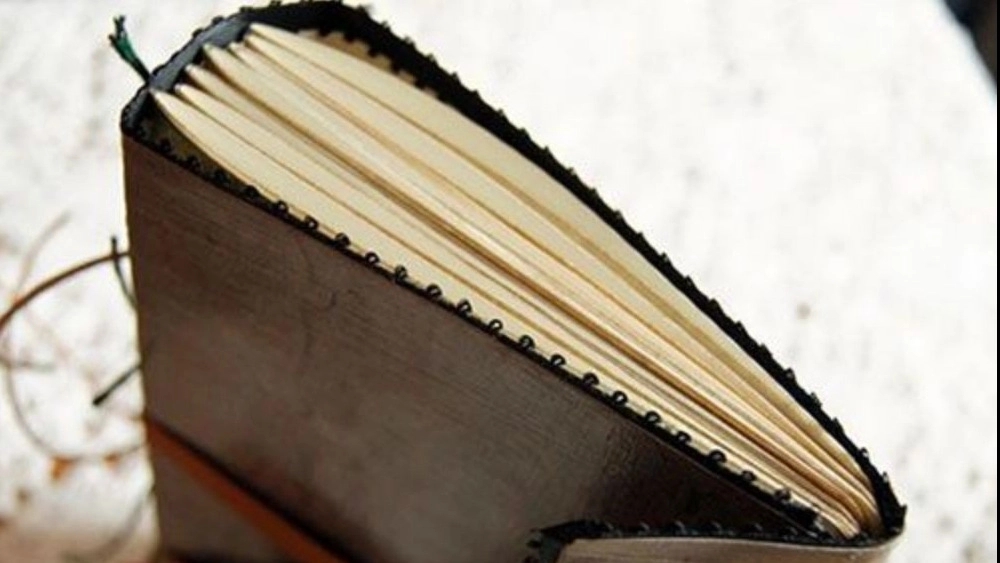
The most important types of binding methods
Warm adhesive binder
Hot glue binding, which is one of the most common book binding methods, is also known as thermal binding. This type of binding creates high strength and durability after cooling and finally provides us with a strong book. The reason for the common use of this type of book binding is the quick drying of the hot glue. Thermal binding does not need a dryer and its quality is very high, so it is widely used in binding high grammage papers. Normally, hot glue binding is used for binding catalogs, magazines and publications, menus of restaurants and cafes, printing company resumes in thicknesses of 3 to 5 cm.
Cold adhesive binder
Cold glue is produced from polyurethane resin material. The working method of cold glue binding and its production speed is the same as hot glue binding, with the difference that this type of binding is more stable and has strong adhesion and elasticity. The remarkable thing about this type of binding is that cold glue binding is not activated in heat and does not break in cold. If, for any reason, there is a need to remove the binding of books prepared with this method, the glue can be separated from the paper and recycled by using a series of special processes.
A punctual binding
Stapled paper is one of the most common bindings, especially for binding small pages in the printing of catalogs, brochures, pamphlets, booklets and the like. Staple binding is done in two types, flat and loop, which are different in appearance, but the steps are the same. Staple binding is also called wire binding. Remember that if the thickness and weight of the printed pages are high, the use of stapled binding is not common and the desired product will not have good strength. Staple binding is more beautiful than punch and spring binding and is available in any situation. Stapled binding is done at a higher speed than cold and hot binding and brings a lower final cost for the customer.
Wired binding (spring)
Wire binding, which is also called spring binding, is one of the common methods of binding books with a small number of pages. You must be familiar with the term binding books and you have been binding your books throughout your life. Wire or spring binding is used for binding phone books, cookbooks, preparing reports, special instruction books, atlases, guide books, due dates, calendars, notebooks and notebooks, etc., and in addition to the high speed in the process of this type of binding, it has a beautiful appearance. It creates in the final product. Wire binding is one of the best choices for books that are highly usable, and with this method, it will be easy to use the book and prevent pages from tearing.
Modern binder benefits
Now in machine bindings In addition to arranging, cutting and gluing the pages together, they try to beautify the covers of the books using today's technologies. Since using jewels in the cover will be very expensive, today's designers use other things to beautify the cover. These elements, which are added to books in binding, will make the product look beautiful and attract customers.
Some of the techniques used in the cover that lead to the beauty of the cover are:
Talakub
Use of topical UV
highlighting
Using a velvet cover
Use the cover
Heat press
Covering items
Raban
Aster Badragh
book bag
Box for book collection
Book cover
Soft cover
paperback
hardcover
Semi hard cover
Leather cover