
Benefits of building a home pool
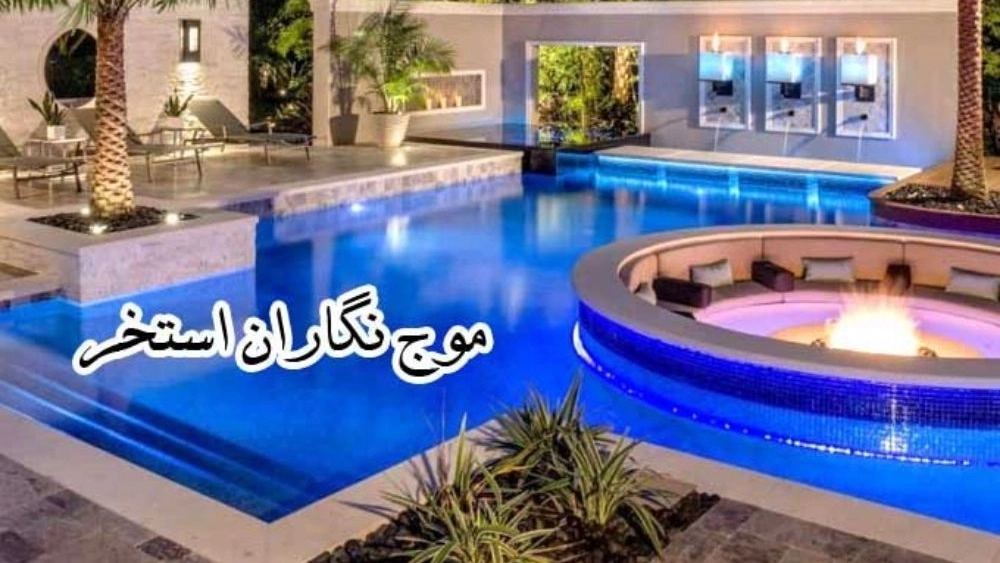
Home pools are places for family gatherings and make family members spend more time together. In addition, building a swimming pool in a house or villa can increase the value of your property. In the following, we will examine the types of swimming pools according to the type of structure and introduce you to the pool filtration system equipment.
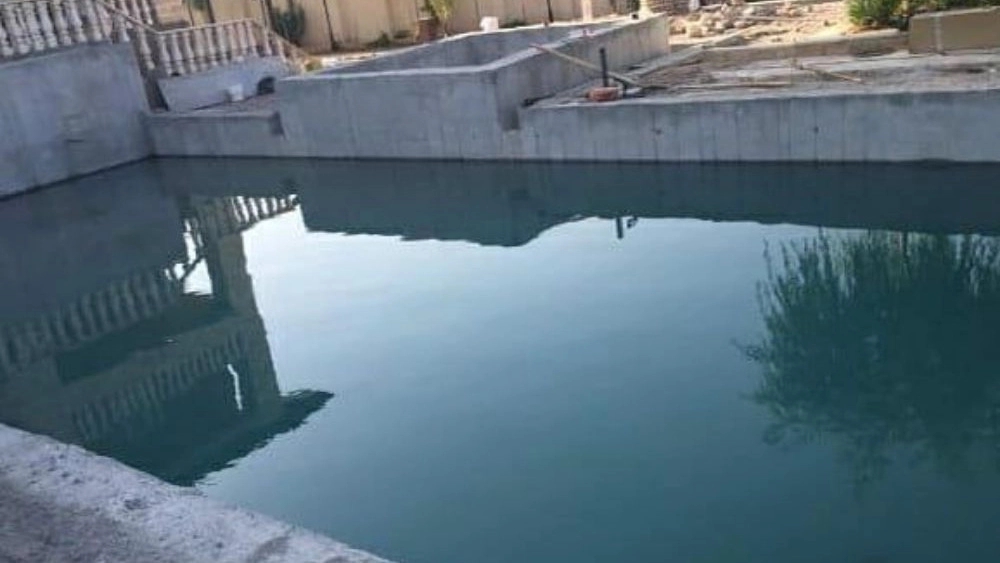
Concrete pools
Rebar and concrete are used in the construction of concrete pools. Therefore, these pools can be designed and implemented in any size and in any shape.
Concrete pools are very durable and it is possible to rebuild and change their dimensions.
Construction of concrete pools takes a lot of time and usually lasts between 3 and 6 months.
The inner shell of these pools affects the chemical balance of the water and is considered a good place for the growth of pool algae. For this reason, maintenance of concrete pools usually takes a lot of work and is relatively expensive.
Fiberglass pools
Fiberglass pools are completely factory built. The installation work of these pools is done within a few days and you can usually swim in the pool after 3 to 6 days.
These pools have a smooth and soft interior coating called Gelcoat, which does not stain easily and is very durable and resistant. This non-porous coating is not susceptible to the growth of pool algae and does not react with pool water.
Since fiberglass pools are shipped in one piece from the factory to the installation site, the pool bowl should be a maximum of 5 x 12 meters. Also, since these pools are built using ready-made molds, the design options are limited.
Pool plumbing
Features of UPVC pipes and fittings, including high chemical resistance, temperature tolerance up to 60 degrees Celsius, pressure tolerance up to 16 bar, variety of connections and valves, creating minimum pressure drop and easy and safe connection using adhesive or threaded connections, These products have been used as a suitable replacement for metal pipes, fittings and valves and products made of other polymers.
Pool equipment
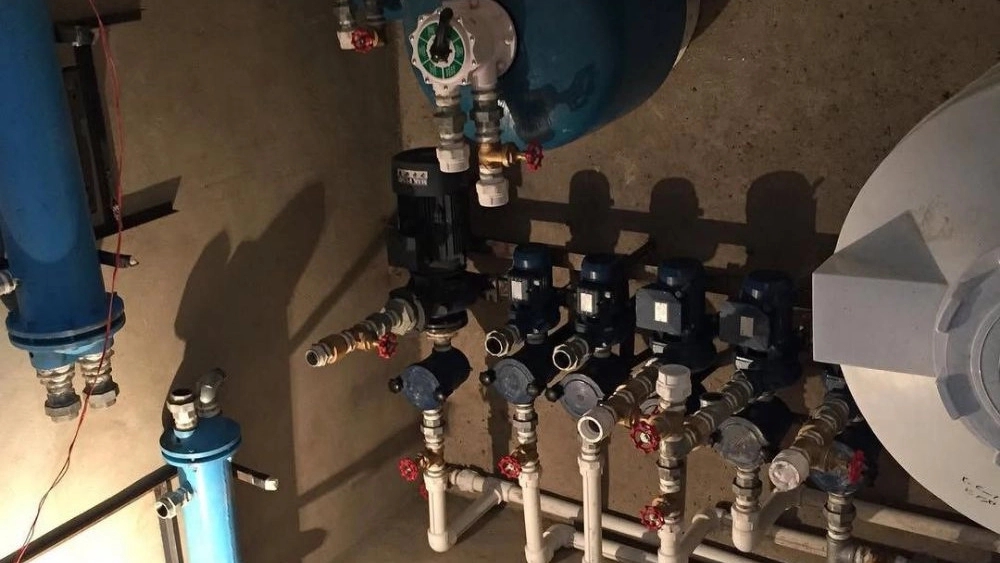
In home pools, water enters the piping system through skimmers (on the upper part of the wall) and main drains (on the bottom of the pool), and finally, it returns to the pool bowl through the nozzles on the floor and wall. On its way, the water passes through the skimmer basket, the pump basket and the filtration filter to remove everything from large debris to small particles such as dead microorganisms. Next, the purified water enters the heating equipment until its temperature reaches the desired level. Disinfection equipment (linear chlorine or salt chlorine) is the last device that water passes through before returning to the pool.
Pool pump
The filtration pump is the heart of the filtration system of swimming pools and hot tubs, which plays an important role in maintaining the health and clarity of the pool water by circulating the water in the filtration system. It is recommended to use self-priming pumps equipped with pre-filters for the purification cycle of swimming pools and hot tubs. Also, due to the pH fluctuations of pool water and the use of chlorine and other chemicals to disinfect water, pool pumps must be made of materials resistant to corrosion and rust.
Pool filter
Sand filters are the most suitable option for the purification cycle of home and private pools because they require little maintenance. These filters consist of a tank filled with a substance called silica. When the water enters the tank of these filters, suspended particles are trapped among the silica grains and the pool water becomes clear.