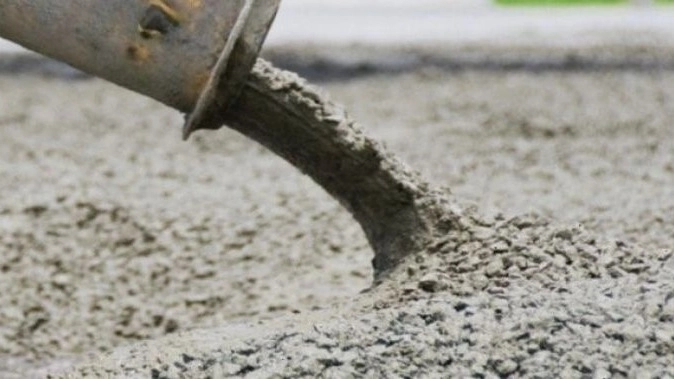
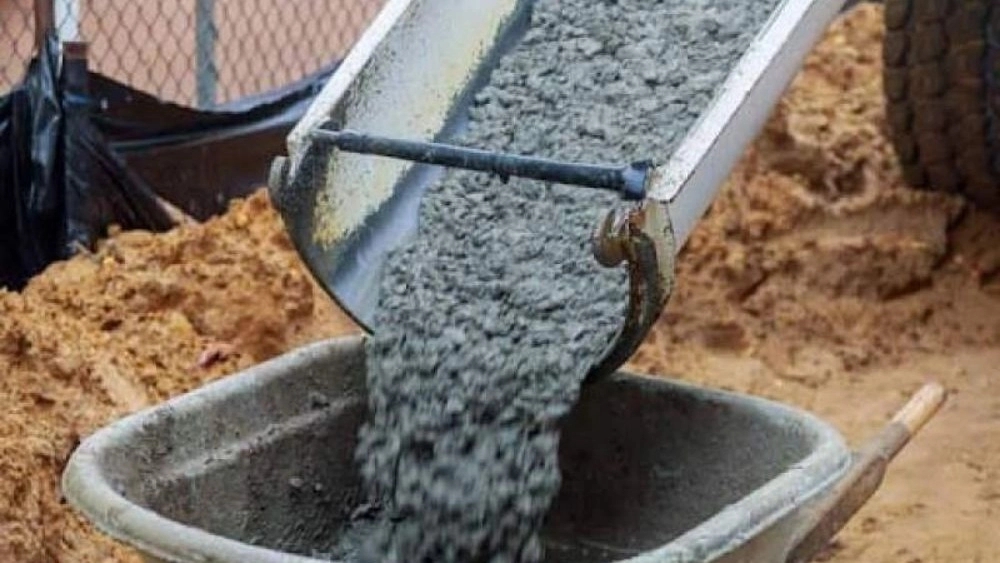


Concrete is the main material used in road construction and construction. Among the main components of concrete, we can mention gravel, cement, sand and water, and if needed, additives are also added to fresh and hardened concrete to change some of its properties. These additives are called concrete lubricants, which have been used since ancient times until today. Milk, animal fat and ash can be mentioned among the oldest concrete lubricants.
What is a concrete lubricant?
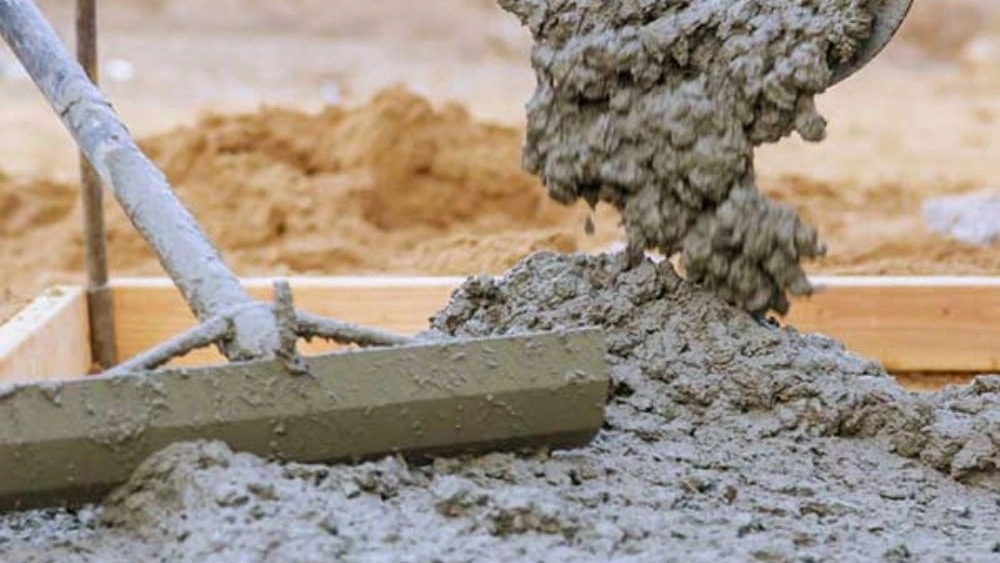
Concrete softener is a substance that is added to concrete materials to soften concrete and increase its plasticity. Another name of concrete lubricant is water reducer, and if it is added to concrete, there is no need to add water anymore, and the smoothness and efficiency of concrete slump increases. If water is used to soften the concrete, after the concrete hardens, the excess water evaporates and their voids create cracks in the concrete. Also, the use of this material makes it possible to reduce the adhesion of concrete and reduce the amount of friction during work.
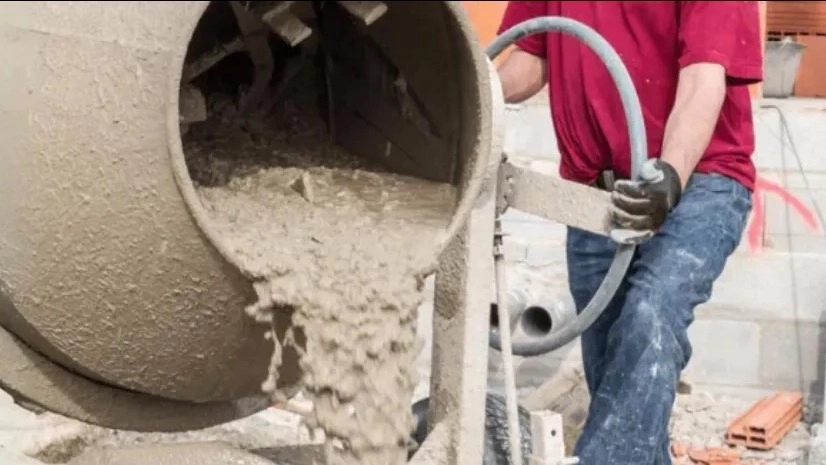
Concrete
Concrete softener is prepared and marketed in different types. In general, concrete lubricants are divided into three different categories, each of which has specific characteristics, and they are:
Type A concrete lubricant that has the property of reducing concrete water.
Type D concrete softener, which, in addition to the property of reducing concrete water, also has the property of delaying the setting of concrete.
Type E concrete lubricant has the feature of reducing water and weathering.
Each of the mentioned lubricants are used in small and large projects and it can be said that these materials are the most widely used water reducers. The range of use of these materials is limited, and with conventional use, it reduces the amount of water by 5 to 12%, and if they are used excessively, they cause aeration or retardation.
The benefits of concrete lubricant
Using concrete lubricant will bring many advantages, including:
Water reduction
Increasing the mental level and slump number
The possibility of pumping concrete
Prevent concrete from leaking
Increased compressive strength
Reducing the use of concrete cement
Preventing surface cracks
Increasing the compressive strength of concrete
Prevent concrete shrinkage
The possibility of using concrete in narc and rebar molds
The amount permitted to use the concrete lubricant
The lubricants used for concrete are divided into two chemical and mineral categories. The permissible amount for the use of chemical additives will be in the lowest amount of a few tenths of the weight of cement and in the highest amount of two percent of the weight of cement to concrete. The permissible amount for the use of mineral additives, which are in powder form, is about 10 to 20 percent by weight of cement.
Lubricants and other additives
Lubricants reduce the amount of water needed in the mixture and improve efficiency, the mortar becomes more sticky and fits better in the mold. Lubricants are usually a type of salt-soluble resin, their color is often dark brown, and they are sold in liquid or powder form for consumption. How to use concrete lubricant should be done according to the manufacturer's instructions. If more than the required amount of lubricant is used, there is no benefit and instead the mortar may become weaker, but generally around 250-300 m1 of liquid is used for every 50 kg of cement, or -20 30 gr of powder is used for every 50 kg of cement. The base lubricant must first be poured into the mixed water and stirred, and then poured into the dry mixture, if when using the lubricating powder, it must first be mixed with the dry ingredients and then add water to the dry mixture.
Other types of concrete additives include hardeners, aerators, anti-freeze, anti-dust, accelerators and retarders, and dyes. In brick flooring mortar, styrene-butadiene resin (SBR) is often added during mixing to increase the adhesion and strength of the mortar, although this is not necessary.
How do the use of lubricants have on concrete resistance?
Concrete is a building material that consists of cement, aggregate, water and other minerals. Concrete is actually an artificial stone that is made using these cheap materials, and because of its high resistance, it is widely used in the construction industry, especially in humid areas.
High Performance Concrete (abbreviated as HPC) is a concrete that has special characteristics that concrete does not have in its normal state. These features include high strength, high modulus of elasticity, high efficiency and low permeability. One of the materials that are used to strengthen the performance of concrete are lubricants or super-lubricants. This additive is used to strengthen the performance of concrete in one or more aspects or to keep it unchanged in certain conditions. Today, lubricants are produced from various mineral and chemical substances. Iran Concrete Clinic Company is one of the pioneers in the field of services related to lubricant or super-lubricant concrete additives.
Super plasticizers are additives that are added to concrete before or during concreting. The purpose of using this additive is to increase efficiency and facilitate concreting. When moving and transferring concrete to the project site is delayed due to various unforeseen reasons, super-lubricants are used to delay concrete setting. Of course, the advice of engineers and construction consultants has always been to mix concrete at the project site to avoid such problems. Also, in areas where concrete slump decreases rapidly due to high temperature, superplasticizers are used to stabilize or increase concrete slump. Lubricants facilitate and accelerate concrete pouring and compaction. They also reduce the risk of separation and water leakage in concrete. If we need to pump concrete for various reasons in a project, super-lubricants are used to facilitate this.
Apart from lubrication and increasing the performance of concrete, lubricants also increase the strength of concrete. Lubricants and super-lubricants, like other additives, include different models, each of which is made of different materials and should be used in certain conditions. Research and tests have shown that lingosulfate lubricants, which also do not contain chloride, cause the greatest increase in concrete slump. By using these materials, concrete becomes more fluid without the need to add additional water, and its efficiency increases; It also makes pumping easier. As we mentioned before, these materials also reduce the possibility of separation and water drop in concrete and sometimes reduce it to zero. Using this type of lubricant is less expensive than others. Of course, compared to other lubricants, it adds less resistance to concrete.