Elevator Balance Weight
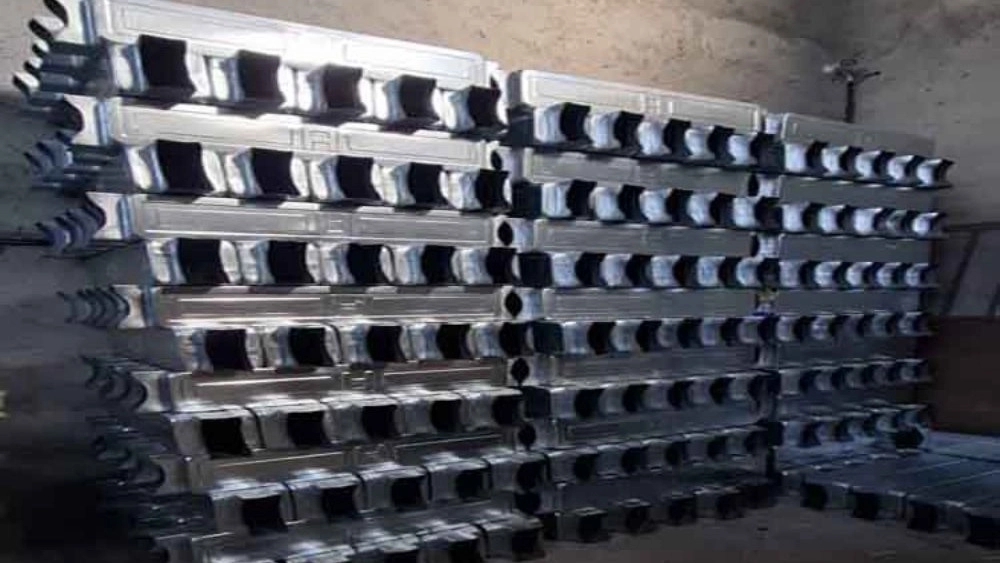
Elevator balance weight helps the elevator to maintain its balance. This device is composed of a number of weights and a metal frame that is connected to the elevator cabin by a pulley and a steel rope. It should be noted that the weights inside the metal frame are placed in such a way that they are not thrown out in case of falling or stopping suddenly. The main task of the balance weight is to neutralize the weight of the passengers, the static weight of the parts, the weight of the equipment, etc. is In fact, this weight balances the weight of the elevator by neutralizing their weight. In addition, the balance weight creates a tension between the tow wire and the elevator plates, which provides the necessary frictional force to move the tow wires.
This weight goes up when the elevator moves down and goes down when the elevator moves up. This event, together with neutralizing the force inside the cabin, creates balance in the elevator. Remember that all elevators must have this weight so that the weight of the elevator is balanced and its vibration is reduced. However, if your elevator vibrates a lot during movement, this weight is definitely not installed correctly and according to its standard tips.
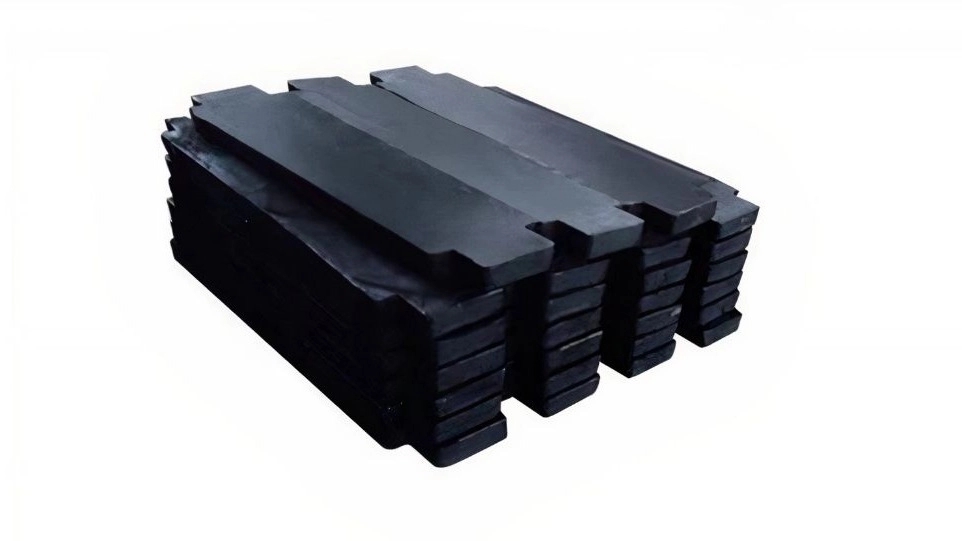
Elevator Balance Weightlifting
If this weight is installed correctly and in compliance with the standard tips, it has countless advantages, some of which include the following:
By balancing the elevator box, this weight makes it easier for the elevator motor to raise and lower the box.
This weight exerts less force on the cables, which increases the safety of the elevator.
In addition to the ease of operation of the elevator motor, this weight also significantly reduces the amount of energy of this motor.
In addition to the mentioned cases, the balance weight causes the elevator to move quickly.
This weight also reduces the amount and amount of energy required by the elevator.
Finally, the balance weight makes the elevator easier to control than before.
Types of Elevator Balance Weights
This weight has different types based on its type, weight and dimensions, some of which include the following:
Concrete Weight
One of the oldest types of balance weights is the concrete type, which has two models that include the following:
Concrete weight with plastic coating
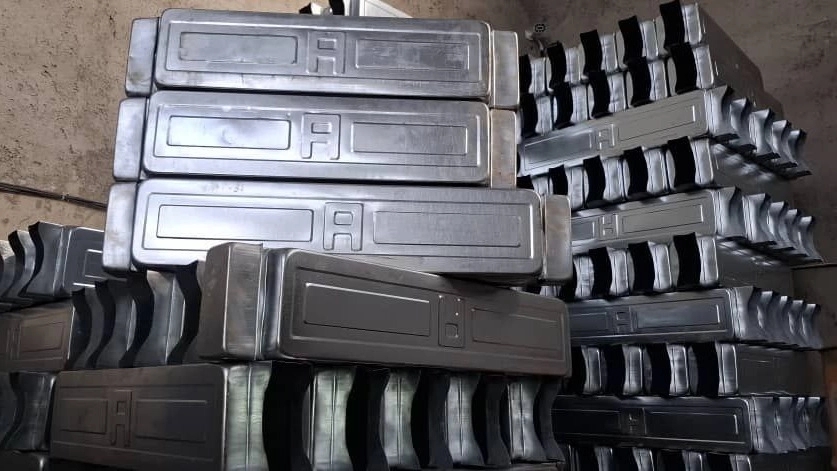
Concrete weight with galvanized sheet coating
Concrete balance weights have different types in terms of dimensions, such as: 57, 67, 77, 87, 97, 107. Each of these dimensions are used according to the type of weight frame.
Lead Weight
The second type of balance weight is the lead type, whose density is much higher than other weights. This weight, like the concrete weight, has different dimensions and people can order it in different dimensions based on their needs.
cast iron weight
The third type of balance weight is the cast iron weight, which is much more expensive than the concrete weight. This weight is very suitable when people need a thin weight with a heavy weight for a space with a small well. This weight, like the others, has different dimensions that are produced according to people's needs.
Metal Weight
To make a metal weight, a number of metal weights are placed inside a steel frame and then, with the help of a press, they are fastened together. After the metal weights are secured, a device locks them together with the help of a screw. Finally, a metal coating is stretched over this steel frame and another type of counterweight is created. The metal weight has different dimensions, some of which include the following:
57
67
77
87
97
It should be noted that these sizes are the most appropriate and standard dimensions of the balance weight.
plastic and galvanized weight
In the past few years, people often used plastic weights to balance elevators because they were cheap. But, over time, due to various reasons such as: New standards, people no longer use this weight. Today, galvanized weights are often used instead of plastic weights. This weight is first placed in a steel frame and then fixed and screwed with the help of a machine. At the end, a galvanized cover is drawn on this frame. Galvanized weights also have many dimensions that are produced according to the needs of each person. In addition to the material, the balance weight also has different types in terms of weight and dimensions. People, according to their needs, inform the seller of the desired weight and dimensions. If there is a counterweight with the requested weight and dimensions, the seller will send it to the buyer. However, if the requested dimensions and weight do not exist, the seller will produce the requested weight and dimensions and then send them to order.
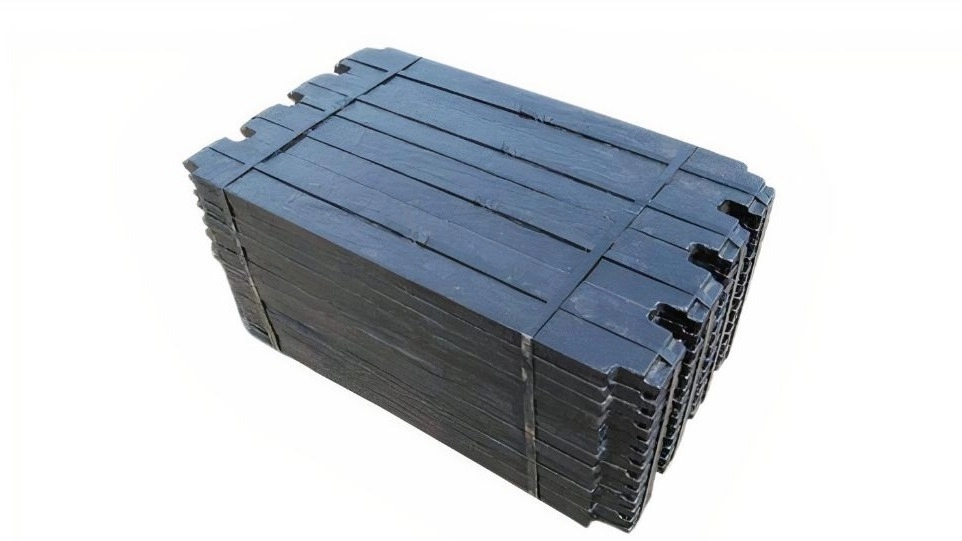
Elevator Balance Weight
You may ask how to calculate the balance weight for each elevator after fully familiarizing yourself with this piece. Calculating the number and mass of the weight must be done by experts and skilled people. Because, these people use a special formula to calculate the balance weight of each elevator. In fact, experts calculate the mass and number of weights of each elevator according to a special formula, considering the capacity and weight of the elevator cabin. The formula for calculating the balance weight of the elevator is as follows:
The mass of the balance weights = the mass of the cable travel + the mass of the empty cabin and the mass of its equipment + 50% of the nominal capacity of the cabin
It is necessary to mention that the location of the balance weights depends on various factors such as: the condition of the elevator system, the elevator shaft, and well engineering. Actually, according to the mentioned factors, the weights may be placed behind the cabin, near the cabin.
Important Tips on Standard of this Weight
During installation, experts must observe important points related to the balance weight standard, some of the most important of which include the following:
Specialists must have performed load bearing calculations before starting the weight placement operation.
Skilled people should equalize the weight of the elevator car with the balance weight of the elevator. Otherwise, if the weight of the car is not the same as the balance weight, the elevator standard certificate will not be issued.
Specialists must carefully calculate and prepare the required amount and dimensions of the balance weight of each elevator.