


Factors effective in selecting the type of wire in electricity
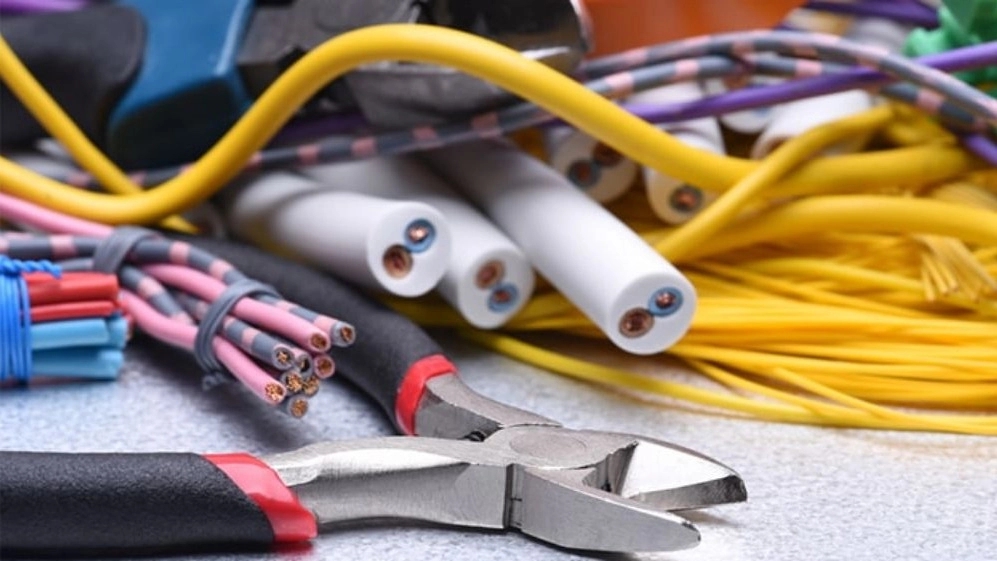
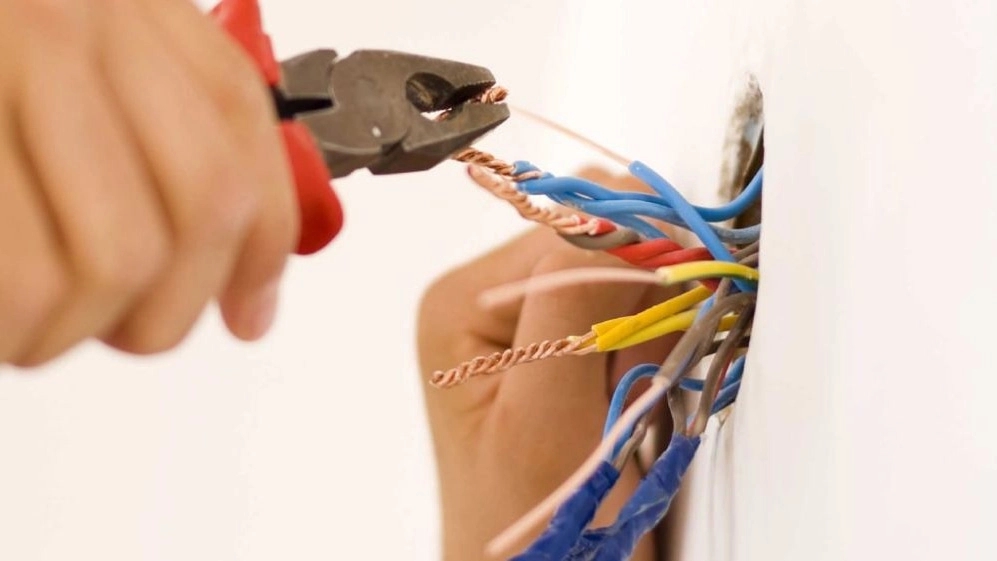
Some factors that influence your choice of electrical wiring include color, label information, and applications. The information printed on the electrical cord cover is all you need to choose the right cord for your home. Here is detailed information about the different characteristics of electrical wire to help you choose the right combination:
▪️Size of wires
▪️Wire letters
Wires size
Each part of the building or, in general, any electrical wiring application requires a specific wire size, and the appropriate size for a specific application is determined by a wire gauge. Wire sizing is done by the American wire gauge system. Common wire sizes are 10, 12 and 14. As this number goes, the size of the wire decreases and it affects the amount of power it can carry. For example, a 10-amp low-voltage lamp wire requires 18-gauge wire, while 100-amp service panels or subpanels require 2-gauge wire. They have.
Wired letters
The letters THHN, THWN, THW and XHHN represent the main types of insulation of individual wires. These letters actually represent the following:
T - Thermoplastic insulation
H - Heat resistance
HH - High heat resistance (up to 194 degrees) Fahrenheit)
W – Suitable for wet locations
N – Nylon coating resistant to oil or gas damage
X – Synthetic polymer that is flame resistant .
Types of power cord
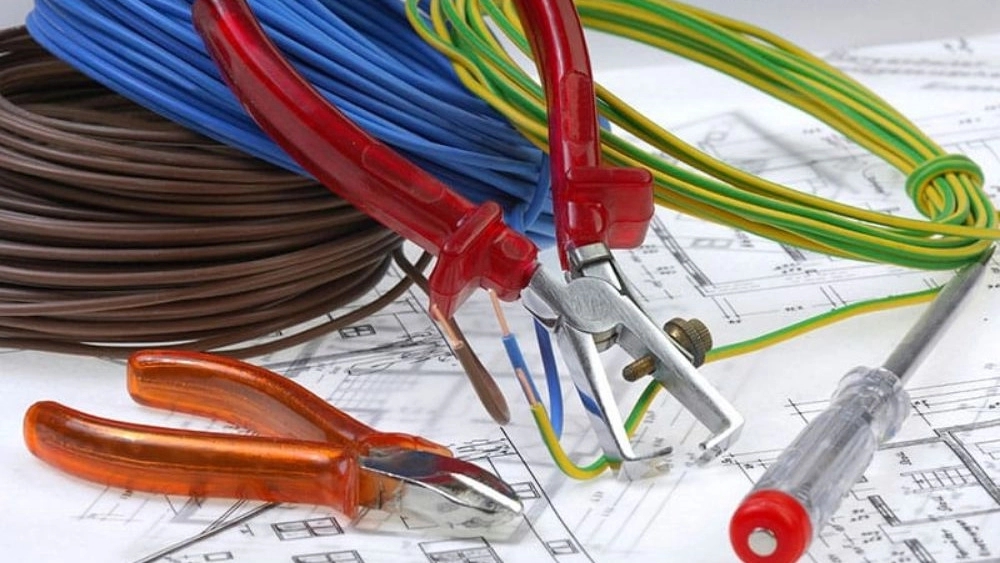
There are mainly 5 types of wires in electrical wiring:
▪️Triplex wires
▪️Main feeding wires
▪️Panel feeding wires
▪️Insulated wires Non-metallic
▪️single strand wires
Triplex wires
Triplex wires are usually used in single-phase service drop conductors, between electric poles and weather heads. They consist of two insulated aluminum wires wrapped with a third bare wire that is used as a common neutral. The neutral is usually made of a smaller gauge and is connected to the ground in both the electricity meter and the transformer.
The main feeding wires
The main power supply wires are the wires that connect the outside environment to the house. They are made with stranded or solid THHN wire and the power of the installed cable is 25% more than the required load.
Panel feed wires
Panel feed cables are usually black insulated THHN wire. These wires are used to feed the main junction box and circuit breaker panels. Just like mains power supply wires, cables should be rated 25% higher than the actual load.
Non -metallic insulation wires
Non-metallic insulated wire or Romex is used in most homes and has 2 to 3 conductors, each with plastic insulation and a bare ground wire. Individual wires are covered with another layer of non-metallic coating. Since it is relatively cheaper and available in 15 and 20 amp ratings, it is preferred for indoor wiring.
Single -stranded wires
Single strand wire also uses THHN wire, although there are other types. Each wire is separate and several wires can be easily connected through a single pipe.
Definition of power cable
As mentioned earlier, a cable is a set of insulated wires wrapped in a sheath. Typically, a cable has at least one current-carrying wire, a neutral wire, and a grounding wire. Cables are classified based on the number of wires they contain and their size/gauge. Cables are identified by a series of letters followed by a number, a dash, and another number. The letters indicate the type of insulation.
The first number indicates the resistance of the wires in the cable, and the number under the dash indicates the number of individual conductors in the cable. If there is a G after the final number, it means that the cable is also equipped with a non-conductive ground wire. Electric cable also has different types, color and application as its determining factors. Here's a little about cables that you need to know to determine the right cable for your home.
Types of electrical cables
Today there are more than 20 different types of cables designed for various applications from power transmission to heavy industrial use. Some of the most widely used ones are:
▪️Non-metallic sheath cable
▪️Underground feeder cable
▪️Metal sheath cable
▪️Multi-conductor cable
▪️Coaxial cable
▪️twisted pair cable without protection
▪️striped cable
▪️double wire cable
▪️biaxial cable
▪️paired cable